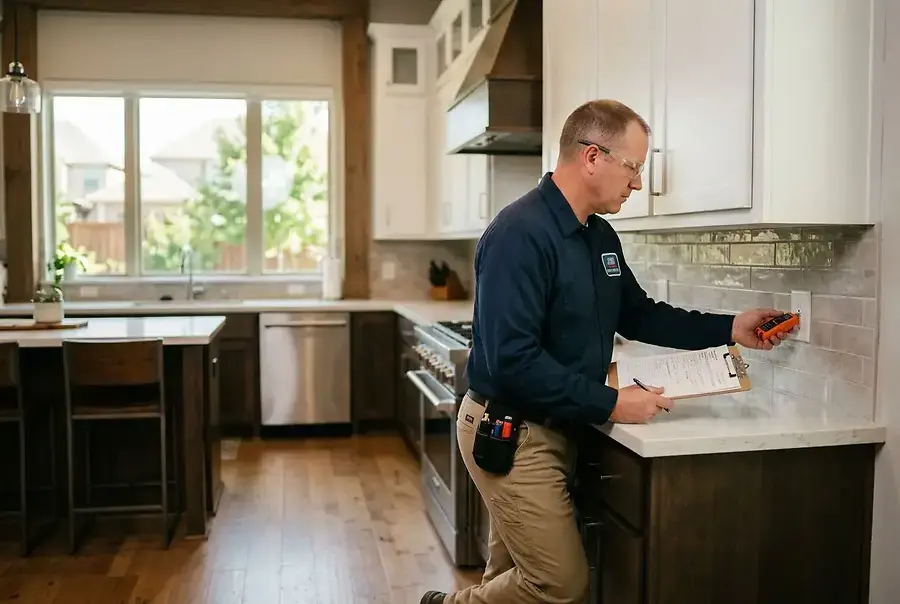
Why Home Inspections Matter in Frisco's Competitive Market
In Frisco's fast-paced real estate market, buyers often feel pressured to make quick decisions. However, skipping or rushing through a home inspection is a costly mistake that can lead to thousands of dollars in unexpected repairs. A thorough home inspection provides you with an independent assessment of your potential property's condition, giving you the leverage to negotiate repairs or price adjustments before closing.
Home inspections are particularly crucial in Frisco, where properties range from newly constructed homes to older estates. Each comes with its own set of potential issues. An experienced inspector can identify problems that aren't visible to the untrained eye, protecting your investment and your family's safety.
Essential Structural and Foundation Elements to Evaluate
Foundation and Concrete
The foundation is the backbone of any home. Inspectors should look for:
- Cracks in the foundation walls or floor slabs
- Signs of settling or shifting
- Water damage or moisture intrusion
- Proper grading around the foundation to ensure water drainage
Frisco's clay-heavy soil can cause foundation movement over time, making this inspection point especially important for local buyers.
Roof and Attic
Your roof protects everything beneath it. During inspection, professionals should examine:
- Shingle condition and remaining lifespan
- Proper ventilation in the attic
- Signs of leaks or water damage
- Flashing around chimneys and vents
- Structural integrity of roof framing
A roof replacement can cost $10,000 to $25,000, so understanding its condition is vital before purchase.
Exterior and Siding
The exterior protects your home from the elements. Inspectors evaluate:
- Condition of siding, brick, or stucco
- Caulking and weatherproofing
- Gutters and downspouts
- Windows and doors for proper sealing
- Decks and patios for structural soundness
Systems and Safety Features That Require Professional Assessment
Electrical System
A safe electrical system is non-negotiable. Inspectors should verify:
- Proper grounding and bonding
- Adequate circuit capacity for modern appliances
- GFCI outlets in bathrooms and kitchens
- No outdated or dangerous wiring (such as aluminum wiring)
- Proper breaker panel labeling and function
Electrical issues can pose serious fire and safety hazards, making professional assessment essential.
Plumbing System
Water damage is one of the most expensive problems homeowners face. Inspectors should check:
- Water pressure and flow rates
- Pipe material and condition (galvanized, copper, PEX)
- Signs of leaks or water damage
- Proper drainage and venting
- Water heater age and condition
- Septic system functionality (if applicable)
HVAC System
Heating and cooling systems are critical for comfort and safety. Evaluation should include:
- Age and condition of furnace and air conditioning units
- Proper airflow and ductwork
- Carbon monoxide detector presence and function
- Thermostat operation
- Maintenance history and remaining lifespan
Insulation and Ventilation
Proper insulation affects energy efficiency and comfort. Inspectors assess:
- Adequate insulation levels in attic and walls
- Proper ventilation to prevent moisture buildup
- Air sealing around penetrations
Red Flags and Next Steps After Your Inspection Report
Critical Issues That Require Immediate Attention
Certain findings demand urgent action:
- Structural damage – Foundation cracks, sagging floors, or roof damage
- Electrical hazards – Outdated panels, improper grounding, or fire risks
- Plumbing failures – Active leaks, sewage issues, or contaminated water
- Mold or asbestos – Health hazards requiring professional remediation
- HVAC breakdown – Non-functional heating or cooling systems
Understanding Your Inspection Report
A thorough inspection report will categorize findings by severity. Don't panic at every item listed – inspectors note both major concerns and minor maintenance items. Focus on significant issues that affect safety, structural integrity, or major systems.
Pro Tip: Ask your inspector to walk you through the report in person. This clarifies which items are deal-breakers versus routine maintenance.
Negotiation Strategies
Armed with your inspection report, you have several options:
- Request repairs – Ask the seller to fix critical issues before closing
- Request credits – Negotiate a price reduction to cover repair costs yourself
- Request re-inspection – Verify that repairs were completed properly
- Walk away – If issues are too extensive, you may choose to cancel the purchase
The inspection contingency in your purchase agreement protects your right to back out if significant problems are discovered, so use this leverage wisely.
Post-Inspection Next Steps
After receiving your report, take these actions:
- Review findings with your real estate agent
- Consult specialists for complex issues (foundation engineers, electricians, etc.)
- Obtain repair estimates from licensed contractors
- Submit written requests to the seller with specific timelines
- Document all communications and agreements
A home inspection is one of the most important investments you'll make during the buying process. In Frisco's competitive market, this knowledge gives you confidence and protection. Don't rush this critical step – your future home and financial security depend on it.
