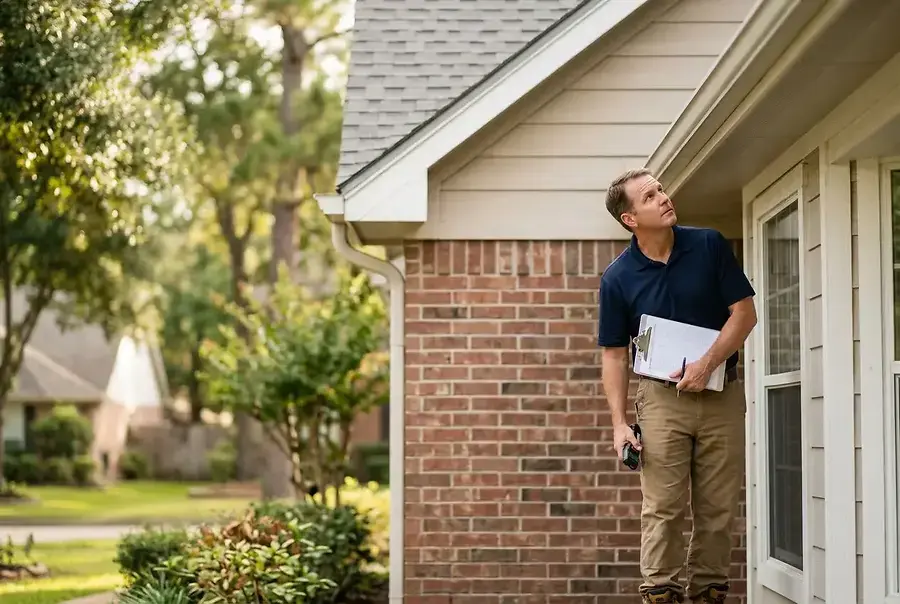
Why Home Inspections Matter in Tomball
Purchasing a home is one of the most significant financial decisions you'll make, and in Tomball's competitive real estate market, it's crucial to protect your investment. A professional home inspection is your safeguard against unexpected repairs and hidden defects that could cost thousands of dollars down the road. Whether you're a first-time homebuyer or an experienced investor, understanding the inspection process can mean the difference between a sound investment and a costly mistake.
Home inspections provide an objective, third-party evaluation of a property's condition. This detailed assessment gives you the information needed to negotiate repairs, request credits, or make an informed decision about whether to proceed with your purchase. In Tomball, where homes range from newer developments to established neighborhoods, inspections are essential for understanding what you're truly buying.
Understanding the Inspection Process and What Gets Evaluated
The Inspection Timeline and What to Expect
A typical home inspection in Tomball takes between two to four hours, depending on the home's size and age. During this time, a certified inspector will systematically examine every accessible part of the property. You should always be present during the inspection—this is your opportunity to ask questions and learn about your potential home directly from the professional.
Key Areas Inspectors Examine
Professional inspectors evaluate multiple critical systems and components:
- Structural Integrity: Foundation, walls, roof structure, and overall stability
- Roofing: Condition, age, leaks, and remaining lifespan
- Plumbing Systems: Water pressure, drainage, leaks, and water quality
- Electrical Systems: Panel condition, wiring, outlets, and safety compliance
- HVAC Systems: Heating, cooling, and ventilation functionality
- Insulation and Ventilation: Energy efficiency and moisture control
- Interior Components: Walls, ceilings, floors, doors, and windows
- Exterior Elements: Siding, gutters, drainage, and landscaping issues
- Appliances: Functionality of included appliances
The Inspection Report
After the inspection, you'll receive a comprehensive report detailing findings, photographs, and recommendations. This document is invaluable for understanding the property's condition and planning future maintenance or repairs. Don't hesitate to ask your inspector to clarify any findings or explain technical terms.
Common Issues Found in Tomball Homes and How to Address Them
Water Damage and Moisture Issues
Tomball's humid climate makes water damage and moisture problems common concerns. Inspectors frequently find issues with:
- Roof leaks and damaged flashing
- Foundation cracks allowing water intrusion
- Inadequate drainage around the property
- Attic moisture and ventilation problems
How to Address It: Request that the seller repair significant issues before closing, or negotiate a credit to handle repairs yourself. Minor moisture issues can often be resolved with improved drainage and ventilation upgrades.
Aging HVAC Systems
Many Tomball homes have air conditioning systems that are reaching the end of their lifespan. Since cooling is essential in Texas, this is a critical concern. Inspectors will note the age and condition of your HVAC system and estimate remaining useful life.
How to Address It: Budget for replacement if the system is over 10-15 years old. You might negotiate with the seller for a new unit installation or request a credit toward replacement costs.
Roof Condition and Age
Tomball's weather, including intense sun and occasional severe storms, takes a toll on roofing materials. Inspectors will assess shingle condition, flashing integrity, and overall roof age.
How to Address It: If the roof is nearing the end of its expected lifespan (typically 15-20 years for asphalt shingles), factor replacement costs into your offer or request the seller address this before closing.
Electrical System Concerns
Older Tomball homes may have outdated electrical systems that don't meet current safety standards or can't handle modern power demands. Common issues include:
- Insufficient outlets and circuits
- Outdated panel systems
- Improper grounding or wiring
- Lack of GFCI protection in wet areas
How to Address It: Electrical upgrades can be expensive, so get quotes from licensed electricians. Use this information to negotiate with the seller or adjust your offer accordingly.
Foundation Issues
Tomball's clay soil can shift seasonally, potentially causing foundation movement. While minor settling is normal, significant cracks or uneven floors warrant professional evaluation.
How to Address It: Have a foundation specialist assess any concerns noted in the inspection. Some issues are cosmetic, while others require structural repairs. This information is crucial for your decision-making process.
Making Informed Decisions as a Tomball Homebuyer
A home inspection report might seem overwhelming, but remember that no home is perfect. The goal isn't to find a flawless property—it's to understand what you're buying and make an informed decision.
Use the inspection strategically: Prioritize major systems and structural issues over cosmetic concerns. A roof replacement is more urgent than outdated paint. Focus your negotiations on items that significantly impact safety, functionality, or long-term costs.
Get professional opinions: If the inspector identifies serious concerns, hire specialists to provide detailed assessments. A foundation engineer, electrician, or roofer can give you accurate repair estimates and help you understand the severity of issues.
Plan for maintenance: Even homes in excellent condition require ongoing maintenance. Budget for regular upkeep and plan for major system replacements as they age.
In Tomball's competitive real estate market, a thorough home inspection is your best defense against costly surprises. By understanding what inspectors evaluate and how to address common issues, you'll make confident decisions that protect your investment for years to come. Take the time to review the inspection report carefully, ask questions, and use the information to negotiate favorable terms or walk away if the property doesn't meet your needs.
