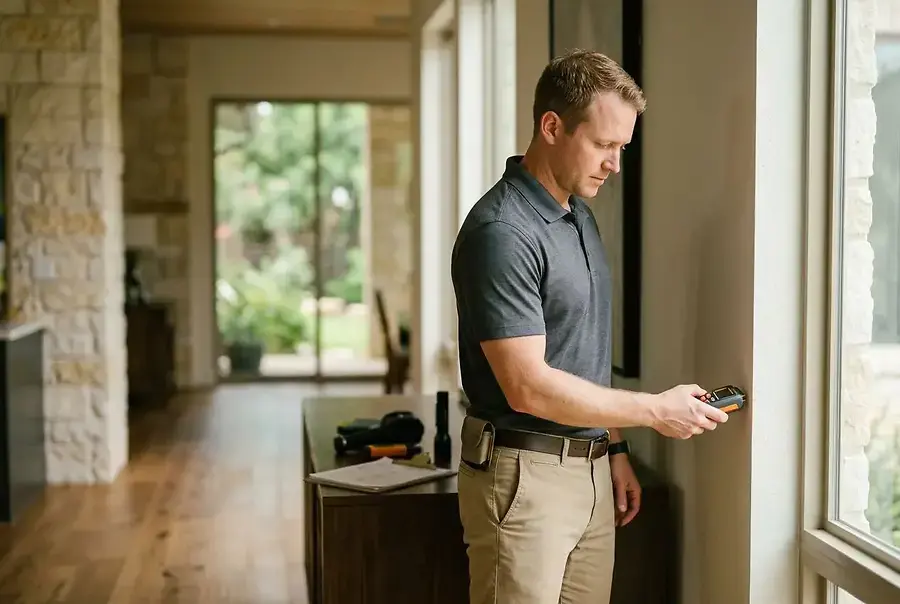
Why Home Inspections Matter in Texas Real Estate
Purchasing a home is one of the most significant investments you'll make in your lifetime. In the competitive Texas real estate market, particularly in Austin and New Braunfels, a thorough home inspection can be the difference between a sound investment and a costly mistake. A professional home inspection provides an objective assessment of a property's condition, revealing hidden issues that could affect your safety, comfort, and financial security.
Many buyers in Central Texas overlook or rush through the inspection process, eager to close on their dream home. However, skipping this critical step or failing to understand the inspection report can leave you vulnerable to expensive repairs and unexpected problems after closing. A comprehensive inspection protects your interests and gives you the information needed to make informed decisions about your purchase.
Key Areas Inspectors Evaluate in Central Texas Homes
Structural and Foundation Systems
Central Texas homes, particularly those in the Austin area, are built on expansive clay soil that can shift and settle over time. Professional inspectors carefully examine foundations for cracks, settling, and signs of water damage. They assess the integrity of walls, floors, and support beams to ensure the home's structural stability. Given the unique geological conditions of the region, foundation issues are among the most important concerns for local buyers.
Roofing and Exterior
The Texas sun and occasional severe weather make roofing a critical component of any home inspection. Inspectors evaluate:
- Roof age and remaining lifespan
- Shingle condition and potential leaks
- Gutters and drainage systems
- Exterior walls, siding, and paint condition
- Windows and door seals
A compromised roof can lead to water intrusion and costly interior damage, making this assessment essential for Central Texas properties.
HVAC and Climate Control Systems
With hot summers and mild winters, air conditioning systems work overtime in Austin and New Braunfels. Inspectors test heating and cooling systems for proper operation, check refrigerant levels, and assess the age and condition of units. They also evaluate ductwork for leaks and proper insulation, which directly impacts energy efficiency and utility costs.
Plumbing and Water Systems
Inspectors examine water pressure, drainage, and the condition of pipes throughout the home. In older Austin properties, outdated plumbing materials may need replacement. They also check for signs of leaks, water damage, and the functionality of fixtures. Water quality and the condition of the water heater are equally important considerations.
Electrical Systems
A thorough electrical inspection ensures the home's wiring, panels, and outlets meet current safety standards. Inspectors look for outdated systems, potential fire hazards, and proper grounding. This is particularly important in older homes throughout the Austin and New Braunfels areas.
Interior Conditions
Inspectors evaluate flooring, walls, ceilings, and interior fixtures for damage, wear, and functionality. They assess the condition of appliances, check for signs of pest infestation, and identify any moisture or mold issues that could affect your health and the home's value.
Common Issues Found in Austin and New Braunfels Properties
Foundation Movement and Settling
Due to the expansive clay soil prevalent in Central Texas, foundation issues are among the most common problems inspectors discover. Cracks in foundations, uneven floors, and doors that don't close properly are red flags that warrant further investigation and potential repair estimates.
Water Intrusion and Moisture Problems
Heavy rains and the region's humidity create conditions favorable for water damage. Inspectors frequently find evidence of past or present water intrusion in basements, crawl spaces, and around windows. Mold growth and wood rot are serious concerns that can be expensive to remediate.
Aging Roofs and Gutters
Many homes in the Austin area have roofs nearing the end of their lifespan. Inspectors often recommend roof replacement or repairs, and gutter systems frequently need cleaning or replacement to prevent water damage.
Outdated Electrical Systems
Older homes may have aluminum wiring, insufficient outlets, or outdated panels that don't meet current safety standards. These issues can pose fire hazards and may require upgrades before you can safely use the property.
HVAC System Age and Efficiency
Air conditioning units in Central Texas often work harder and fail sooner than in other regions. Inspectors frequently find systems that are aging, inefficient, or in need of repair. Replacement costs can be substantial, making this an important negotiation point.
Pest and Termite Damage
The warm, humid climate of Central Texas creates ideal conditions for termites and other pests. Inspectors look for evidence of infestation and structural damage caused by wood-destroying insects. Termite damage can be extensive and expensive to repair.
Using Inspection Reports to Negotiate and Protect Your Purchase
Understanding Your Report
A professional inspection report provides detailed findings organized by system and severity level. Take time to understand each section and ask your inspector to explain any concerns. Don't hesitate to request clarification on technical terms or recommendations for further evaluation by specialists.
Prioritizing Issues
Not all inspection findings require immediate action. Work with your real estate agent and inspector to categorize issues as critical (safety hazards), important (systems needing repair soon), or minor (cosmetic concerns). This helps you focus negotiations on items that truly affect the home's value and safety.
Negotiation Strategies
Use your inspection report as a negotiation tool. Request that the seller address critical issues before closing, ask for repair credits, or negotiate a price reduction to account for necessary repairs. In the competitive Austin and New Braunfels markets, having a detailed inspection report strengthens your negotiating position.
Planning for Future Maintenance
Even if the seller addresses major issues, use the inspection report to plan your maintenance schedule. Understanding the age and condition of major systems helps you budget for future replacements and preventive maintenance, protecting your investment long-term.
Consider a Second Opinion
For significant issues like foundation problems or major structural concerns, don't hesitate to hire a specialist for a more detailed evaluation. The cost of a specialized inspection is minimal compared to the potential expense of undiagnosed problems.
A comprehensive home inspection is your best defense against costly surprises and hidden problems. By understanding what inspectors evaluate and how to use their findings, Austin and New Braunfels buyers can make confident decisions and protect their investments for years to come.