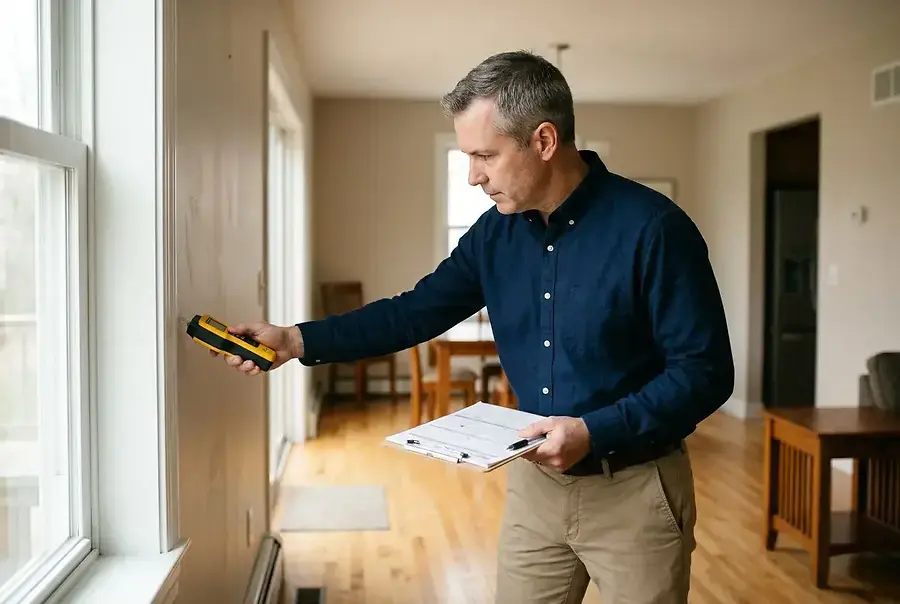
Why Home Inspections Matter
Purchasing a home is one of the most significant financial decisions you'll make. In Lexington, Columbia, and Blythewood, the real estate market moves quickly, and it's easy to get caught up in the excitement of finding your dream property. However, skipping or rushing through a home inspection could cost you thousands in unexpected repairs and maintenance issues down the road.
A professional home inspection provides an objective, detailed assessment of a property's condition. It's your opportunity to uncover hidden problems before you sign the final papers. Whether you're a first-time homebuyer or an experienced investor, a thorough inspection protects your investment and gives you the information needed to make confident decisions.
Think of a home inspection as insurance for your purchase. It identifies issues that might not be visible during a casual walkthrough, from structural concerns to mechanical failures. Armed with this knowledge, you can negotiate repairs, request credits, or walk away if the problems are too severe.
What Inspectors Examine: Key Areas and Red Flags
Structural Components
Professional inspectors begin by evaluating the home's foundation and structural integrity. They look for cracks in the foundation, signs of settling, water damage, and pest infestations. In our region, where humidity and weather patterns can affect homes differently, inspectors pay special attention to:
- Foundation cracks and water intrusion
- Basement moisture and drainage issues
- Roof condition and potential leaks
- Exterior walls and siding damage
Electrical and Plumbing Systems
These systems are critical to daily living and can be expensive to repair. Inspectors test electrical outlets, check the panel for safety concerns, and evaluate the plumbing system for leaks, water pressure issues, and outdated materials. Older homes in Lexington and Columbia may have outdated wiring or plumbing that needs updating.
Common red flags include:
- Aluminum wiring (a fire hazard)
- Insufficient grounding or outdated panels
- Galvanized or polybutylene pipes prone to failure
- Water stains indicating past or present leaks
HVAC Systems
Heating, ventilation, and air conditioning systems are essential in our climate. Inspectors evaluate the age, condition, and functionality of furnaces, air conditioners, and ductwork. A failing HVAC system can mean a replacement cost of $5,000 to $15,000, so this inspection is crucial.
Roof and Attic
The roof protects everything beneath it. Inspectors examine shingles for wear, check flashing around chimneys and vents, and look for signs of leaks in the attic. They also assess the roof's remaining lifespan—a roof nearing the end of its life is a significant expense to plan for.
Interior and Exterior Conditions
Beyond major systems, inspectors evaluate:
- Windows and doors for proper operation and sealing
- Insulation levels in attic and walls
- Deck or porch structural integrity
- Appliances included in the sale
- Basement or crawl space conditions
Using Inspection Reports to Negotiate and Make Decisions
Understanding Your Report
A comprehensive inspection report details every finding, categorizing issues by severity. Major concerns require immediate attention, while minor issues might be cosmetic or easily addressed. Take time to review the report carefully and ask your inspector to explain anything you don't understand.
Negotiation Strategies
Once you have the inspection report, you have several options:
- Request repairs: Ask the seller to fix major issues before closing.
- Request credits: Negotiate a credit toward closing costs to handle repairs yourself.
- Renegotiate price: Use inspection findings to justify a lower offer.
- Walk away: If problems are extensive and costly, you may decide the property isn't worth the investment.
In competitive markets like Lexington and Blythewood, sellers may be reluctant to make repairs. However, major structural issues, electrical hazards, or system failures are legitimate negotiation points. Focus on problems that affect safety, functionality, or long-term value.
Making Your Decision
Consider the total cost of ownership, not just the purchase price. A home with a $10,000 roof replacement needed might still be a good investment if the price reflects that cost. However, multiple significant issues could indicate a money pit that will drain your finances for years.
"A home inspection isn't just about finding problems—it's about making an informed decision that protects your financial future."
Making Informed Offers with Confidence
Armed with inspection knowledge, you can approach home buying with confidence. In Lexington, Columbia, and Blythewood, where the market includes everything from historic homes to newer construction, understanding a property's true condition is invaluable.
Don't view an inspection as a formality or an unnecessary expense. It's a critical step that separates smart buyers from those who face costly surprises after closing. Work with a qualified home inspector who knows the local area and understands regional building issues.
Your inspection contingency is your safety net. Use it wisely. Ask questions, understand the findings, and make decisions based on facts rather than emotions. Whether you're buying your first home or your fifth, a thorough inspection ensures you're making one of life's biggest decisions with complete information.
Take the time to get it right. Your future self will thank you.