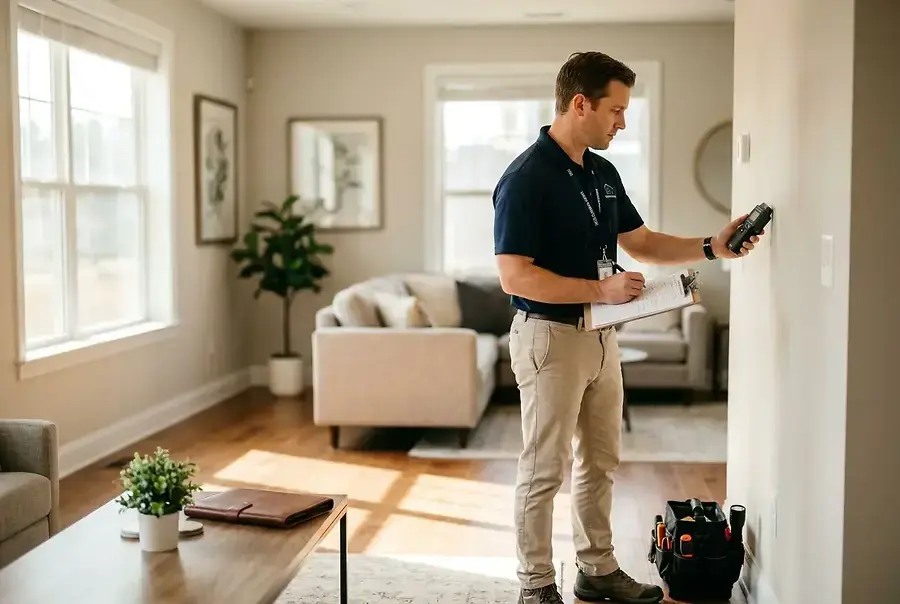
Why Home Inspections Are Critical in Apex's Real Estate Market
Purchasing a home is one of the most significant financial decisions you'll make, and in Apex's competitive real estate market, a thorough home inspection is your best defense against costly surprises. A professional home inspection provides an objective assessment of a property's condition, identifying potential issues before you commit to the purchase. This critical step protects your investment and gives you the leverage needed to negotiate repairs or price adjustments with confidence.
Apex's growing community features homes of varying ages and construction styles, from newer developments to established neighborhoods with older properties. Each property type presents unique inspection considerations, making professional evaluation essential for informed decision-making. Without a proper inspection, you could inherit expensive repairs that weren't visible during a casual walkthrough.
What Professional Inspectors Examine: Structure, Systems, and Safety Standards
Structural Components
Professional inspectors begin by evaluating the home's foundation, framing, and overall structural integrity. They look for signs of settling, cracks, water damage, and pest infestation that could compromise the building's stability. In Apex, where soil conditions and weather patterns vary, foundation issues are particularly important to assess. Inspectors examine:
- Foundation cracks and water intrusion
- Roof condition and remaining lifespan
- Wall and floor alignment
- Signs of wood rot or termite damage
Mechanical and Electrical Systems
The home's vital systems receive thorough examination during inspection. Inspectors test HVAC systems, evaluate electrical panels, check plumbing functionality, and assess water heater condition. These systems are expensive to replace, so understanding their age and condition is crucial for budgeting future maintenance.
- HVAC Systems: Age, efficiency, and operational status
- Electrical: Panel capacity, grounding, and safety compliance
- Plumbing: Water pressure, drainage, and pipe material assessment
- Water Heater: Type, age, and remaining useful life
Safety and Code Compliance
Inspectors verify that homes meet current safety standards and building codes. This includes checking for proper ventilation, adequate egress windows, carbon monoxide detectors, and fire safety features. These evaluations protect your family's wellbeing and ensure the property meets legal requirements.
Common Issues Found in Apex Homes and Practical Solutions
Moisture and Water Damage
North Carolina's humid climate makes moisture management critical. Inspectors frequently identify water stains, mold growth, and inadequate drainage around foundations. Solutions include: installing proper gutters and downspouts, grading soil away from the foundation, and improving basement or crawlspace ventilation. Addressing these issues early prevents costly structural damage.
HVAC System Age and Efficiency
Many Apex homes feature aging HVAC systems nearing the end of their lifespan. While a 15-20 year old system may still function, replacement costs can exceed $5,000-$8,000. During negotiations, you can request the seller address this before closing or adjust the purchase price accordingly.
Roof Condition and Repairs
Roof inspections often reveal missing shingles, improper flashing, or approaching replacement needs. A new roof represents a significant investment, making this a key negotiation point. Inspectors provide detailed assessments of remaining roof life, helping you plan for future replacement.
Electrical Panel Updates
Older homes may have outdated electrical panels that lack capacity for modern appliances and technology. Upgrading panels can cost $1,500-$3,000, making this an important item to address during negotiations.
Using Inspection Findings to Negotiate Repairs and Close with Confidence
Prioritizing Issues by Severity
Not all inspection findings require immediate attention. Work with your inspector and real estate agent to categorize issues as:
- Critical: Safety hazards or structural concerns requiring immediate repair
- Important: System failures or significant damage affecting home value
- Minor: Cosmetic issues or routine maintenance items
Focus your negotiations on critical and important items that directly impact safety, functionality, or long-term value.
Developing a Negotiation Strategy
Armed with detailed inspection findings, you have several negotiation options:
- Request Repairs: Ask the seller to complete repairs before closing
- Price Reduction: Negotiate a lower purchase price to cover repair costs
- Repair Credits: Receive funds at closing to handle repairs yourself
- Seller Concessions: Request the seller cover closing costs or other expenses
Your real estate agent can help determine which approach works best based on market conditions and the seller's position.
Protecting Your Investment
A comprehensive home inspection transforms you from a passive buyer into an informed negotiator. You're no longer making decisions based on appearance alone—you're making them based on facts.
After closing, use inspection findings to establish a maintenance schedule. Understanding your home's systems and their condition helps you plan for future replacements and avoid emergency repairs. Many inspectors provide detailed reports with maintenance recommendations that guide your homeownership journey.
Moving Forward with Confidence
The inspection period—typically 7-10 days after making an offer—is your opportunity to thoroughly evaluate the property. Don't skip this step or waive inspections to appear like a stronger buyer. A professional inspection costs $300-$500 and could save you thousands in unexpected repairs. In Apex's dynamic real estate market, this investment in due diligence is essential for protecting your purchase and securing the best possible terms.
By understanding what inspectors evaluate, recognizing common issues in Apex homes, and strategically using inspection findings in negotiations, you'll close on your new home with confidence and peace of mind.