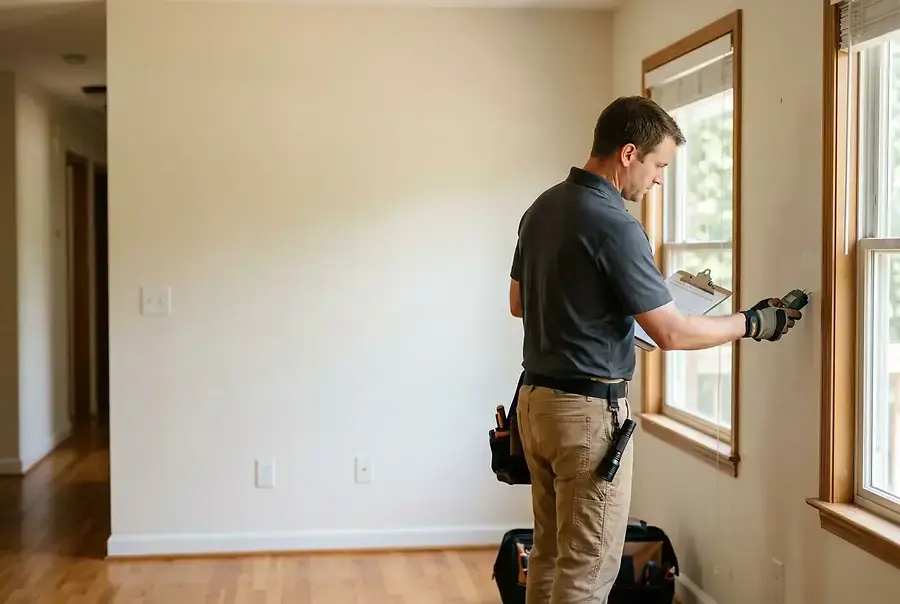
Introduction: Why Home Inspections Matter in Your Purchase
Buying a home is one of the most significant financial decisions you'll make in your lifetime. In Chattanooga and Cleveland, Tennessee, the residential market offers diverse properties ranging from historic homes to modern constructions. However, without a thorough home inspection, you could be overlooking costly problems that might not be visible to the untrained eye.
A professional home inspection serves as your protection against unforeseen repairs and structural issues. It provides a comprehensive evaluation of the property's condition, giving you the knowledge needed to make an informed decision. Whether you're a first-time homebuyer or an experienced investor, understanding the inspection process is crucial to securing your best deal.
What Professional Inspectors Evaluate in Chattanooga and Cleveland Homes
Structural Components and Foundation
Professional inspectors begin by examining the foundation and structural integrity of the home. They look for signs of settling, cracks, water damage, and foundation deterioration. In Tennessee's climate, where moisture and seasonal changes can affect foundations, this evaluation is particularly important.
Roofing and Exterior Systems
The roof is your home's first line of defense against the elements. Inspectors assess:
- Shingle condition and remaining lifespan
- Flashing and gutter systems
- Exterior walls and siding integrity
- Windows and door seals
- Drainage systems around the property
Plumbing and Water Systems
Water-related issues can be expensive and damaging. Inspectors evaluate:
- Water pressure and flow rates
- Pipe materials and conditions
- Septic systems or municipal connections
- Water heater age and functionality
- Evidence of leaks or water damage
Electrical Systems
A safe electrical system is non-negotiable. Inspectors examine the panel, wiring, outlets, and grounding to ensure everything meets current safety codes. Outdated or faulty electrical systems are common in older Chattanooga and Cleveland properties and require immediate attention.
HVAC and Climate Control
Heating and cooling systems are essential for comfort and energy efficiency. Inspectors test furnaces, air conditioning units, and ventilation systems to determine their age, condition, and remaining useful life.
Interior Conditions
Beyond the major systems, inspectors evaluate:
- Insulation levels and air sealing
- Drywall and interior walls for damage
- Flooring conditions
- Doors and hardware functionality
- Attic and basement spaces
Red Flags and Common Issues Found in Regional Properties
Moisture and Mold Concerns
Tennessee's humid climate creates ideal conditions for moisture problems. Inspectors watch for:
- Water stains on ceilings and walls
- Mold growth in basements or crawl spaces
- Poor ventilation in bathrooms and kitchens
- Inadequate grading around the foundation
Why it matters: Moisture issues can lead to structural damage, mold-related health concerns, and expensive remediation costs.
Aging Systems and Deferred Maintenance
Many homes in Chattanooga and Cleveland are decades old. Common aging issues include:
- Outdated electrical wiring (knob-and-tube or aluminum)
- Aging roofs nearing the end of their lifespan
- Original plumbing with corrosion or mineral buildup
- Inefficient HVAC systems
Pest and Termite Damage
The regional climate supports various pests. Inspectors look for evidence of:
- Termite damage in wooden structures
- Carpenter ant infestations
- Rodent entry points and damage
- Previous pest treatment evidence
Asbestos and Lead Paint
Homes built before the 1980s may contain asbestos in insulation, flooring, or roofing materials. Properties built before 1978 likely have lead-based paint. While not always dangerous if undisturbed, these materials require disclosure and careful handling during renovations.
Roof and Attic Issues
Roof problems are among the most expensive repairs. Inspectors identify:
- Missing or damaged shingles
- Inadequate ventilation causing premature aging
- Improper installation or repairs
- Ice dam potential in winter months
Conclusion: Using Inspection Reports to Negotiate and Secure Your Best Deal
A comprehensive home inspection report is your roadmap to negotiation. Once you receive the inspector's findings, you have several options:
Negotiation Strategies
Request repairs: Ask the seller to fix critical issues before closing. This ensures the work is done properly and protects you from liability.
Request credits: For minor issues, negotiate a credit toward closing costs or repairs you'll handle yourself.
Renegotiate price: Use inspection findings to justify a lower offer price that accounts for necessary repairs.
Walk away: If major issues are discovered, you may have the right to terminate the contract, depending on your inspection contingency.
Moving Forward Confidently
Understanding what inspectors evaluate in Chattanooga and Cleveland homes empowers you to make smart decisions. Don't skip the inspection to save money—it's one of the best investments you can make during the home buying process. A thorough inspection protects your financial investment and gives you peace of mind in your new Tennessee home.
Work with a qualified, licensed home inspector who understands regional issues specific to the Chattanooga and Cleveland markets. Their expertise will help you identify problems early and negotiate effectively, ensuring you get the best possible deal on your new property.
