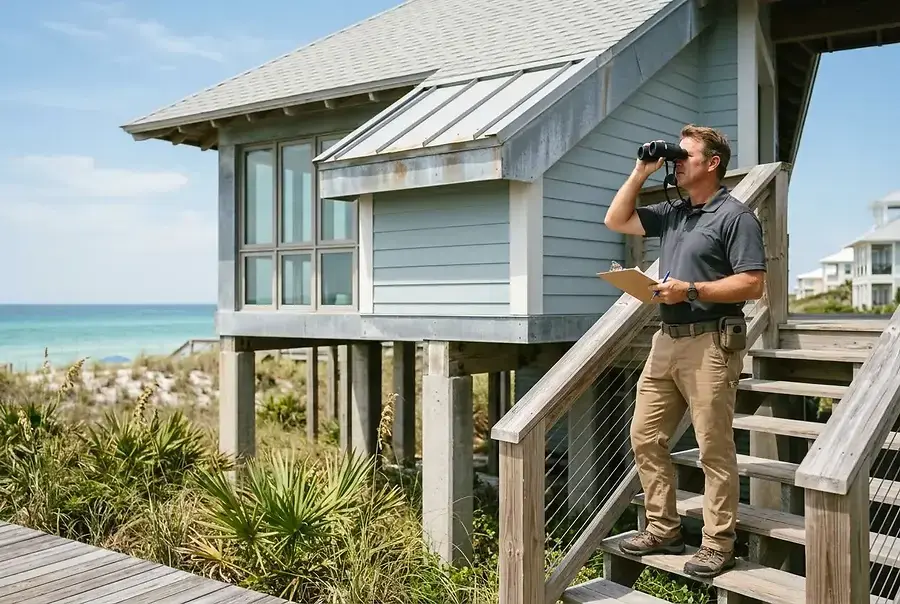
Understanding Coastal Environmental Factors and Their Impact on Property Inspections
Purchasing a home in Destin or along the 30A corridor is a dream for many, but coastal properties face unique environmental challenges that inland homes simply don't encounter. The combination of salt air, high humidity, intense UV exposure, and proximity to the ocean creates a perfect storm for property deterioration if not properly maintained and inspected.
When you're investing in a coastal property, understanding these environmental factors is crucial. Salt spray from the ocean can travel miles inland, settling on surfaces and accelerating corrosion of metals, degradation of paint, and deterioration of building materials. The constant moisture in the air promotes mold growth, wood rot, and rust formation at an accelerated rate compared to inland properties.
A standard home inspection may not adequately address these coastal-specific concerns. This is why working with inspectors who understand the unique demands of Northwest Florida's coastal environment is essential for protecting your investment.
Key Areas to Evaluate: Salt Damage, Foundation Issues, and Structural Integrity in Beach Homes
Metal Components and Corrosion
One of the first things a coastal property inspector should examine is all exposed metal components. This includes:
- HVAC units and their connections
- Electrical conduit and hardware
- Roof flashing and gutters
- Deck railings and fasteners
- Window and door frames
- Plumbing fixtures and pipes
Salt air accelerates corrosion, turning shiny metal into rust within months if it's not properly protected. Look for signs of rust staining, discoloration, or deterioration. Galvanized or stainless steel components are preferable in coastal areas, as they offer better resistance to salt corrosion than standard steel.
Foundation and Structural Integrity
Coastal properties in Destin and 30A often sit on pilings or elevated foundations due to flood risk and storm surge concerns. During inspection, pay special attention to:
- Piling condition and any signs of rot or deterioration
- Concrete deterioration or spalling
- Water intrusion around foundation areas
- Cracks in concrete or structural elements
- Proper drainage systems around the foundation
The constant exposure to moisture and salt spray can compromise the structural integrity of pilings and foundations. Have your inspector specifically assess the condition of any wood pilings, as these are particularly vulnerable to salt water damage and wood-boring organisms.
Roofing and Weather Protection
Your roof is your first line of defense against coastal weather. Inspectors should examine:
- Shingle or tile condition and any missing or damaged pieces
- Flashing integrity around chimneys, vents, and penetrations
- Gutter and downspout condition
- Proper ventilation to prevent moisture buildup
- Signs of algae, mold, or lichen growth
Salt air and UV exposure degrade roofing materials faster than in inland areas. A roof that might last 25 years inland may only last 15-20 years in a coastal environment.
Windows, Doors, and Exterior Sealing
Proper sealing is critical in coastal properties. Inspectors should verify that all windows and doors have:
- Intact caulking and weatherstripping
- No visible gaps or separation from the frame
- Proper operation without sticking or binding
- No signs of water intrusion or damage
Impact-resistant windows and doors are highly recommended for coastal properties, as they provide protection against both salt spray and severe weather events.
Working with Local Inspectors Who Specialize in Okaloosa and Walton County Coastal Properties
Not all home inspectors are created equal, especially when it comes to coastal properties. When selecting an inspector for your Destin or 30A home purchase, seek out professionals with specific experience in Okaloosa and Walton County coastal properties.
What to Look For in a Coastal Property Inspector
Your inspector should have:
- Specific experience with coastal property inspections in Northwest Florida
- Knowledge of local building codes and regulations specific to coastal areas
- Understanding of salt-air corrosion and its effects on building materials
- Familiarity with common issues in elevated and pilings-based construction
- Certifications from recognized inspection organizations
Ask potential inspectors about their experience with coastal properties and request references from previous clients. A good coastal inspector will spend extra time examining areas that are particularly vulnerable to salt damage and environmental degradation.
Questions to Ask Your Inspector
Before hiring an inspector, ask about their specific experience with:
- Pilings and elevated foundation inspections
- Salt-air corrosion assessment
- Mold and moisture issues in coastal environments
- Storm-resistant construction features
- Local building code compliance for coastal properties
Making Informed Decisions: Using Inspection Reports to Negotiate and Protect Your Investment
Understanding Your Inspection Report
A comprehensive coastal property inspection report should clearly identify issues specific to the salt-air environment. The report should categorize findings by severity and provide recommendations for repairs or further evaluation.
A thorough inspection report is your roadmap to understanding the true condition of your coastal investment and planning for future maintenance and repairs.
Negotiation Strategies
Armed with a detailed inspection report, you have several options:
- Request repairs: Ask the seller to address critical issues before closing
- Negotiate credits: Request a credit toward closing costs to handle repairs yourself
- Price reduction: Use the inspection findings to justify a lower purchase price
- Contingency removal: Only remove inspection contingencies if issues are satisfactorily addressed
Coastal properties often require more maintenance than inland homes, so it's important to factor these costs into your decision-making process.
Long-Term Investment Protection
Beyond the initial purchase, use your inspection report to establish a maintenance schedule. Address salt-air related issues proactively:
- Schedule regular roof inspections and maintenance
- Inspect and reseal windows and doors annually
- Monitor metal components for corrosion
- Maintain proper drainage and ventilation systems
- Plan for periodic repainting and protective coating applications
Investing in preventative maintenance now will save you significant money and headaches down the road. Your coastal property is a valuable asset, and proper inspection and maintenance are essential to protecting that investment for years to come.