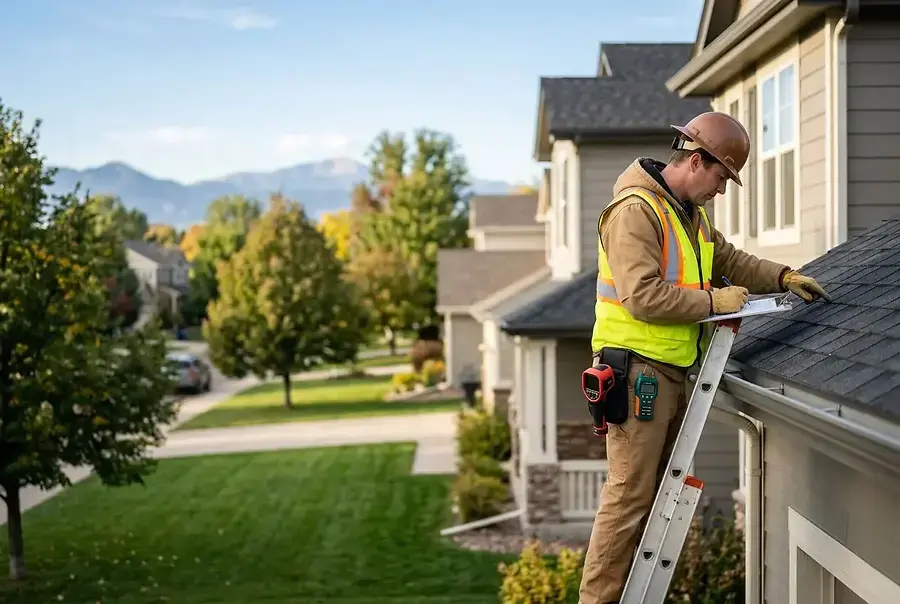
Why Home Inspections Matter in Today's Competitive Market
In the fast-paced Denver and Greenwood Village real estate market, the pressure to make quick decisions can be overwhelming. However, skipping or rushing through a home inspection is a costly mistake that could leave you with thousands in unexpected repairs. A professional home inspection is your opportunity to uncover hidden problems before you sign the final papers and hand over your hard-earned money.
Home inspections serve as a critical safeguard in any real estate transaction. They provide an objective, detailed assessment of a property's condition and help you make informed decisions about your investment. Whether you're a first-time homebuyer or an experienced investor, understanding what inspectors look for can save you from purchasing a property with serious underlying issues.
The stakes are high in Colorado's competitive housing market. Properties often receive multiple offers within days of listing, and buyers who waive inspections may gain a competitive edge—but at what cost? A thorough inspection protects your financial interests and ensures you're getting what you're paying for.
Key Areas Professional Inspectors Evaluate in Colorado Homes
Structural Integrity and Foundation
Colorado's unique climate and soil composition make foundation issues particularly important to assess. Professional inspectors examine the foundation for cracks, settling, and water damage. They look for signs of structural movement and evaluate the overall stability of the home. Given Colorado's freeze-thaw cycles and varying soil types, foundation problems can develop over time and become expensive to repair.
Roofing and Weather Protection
The roof is your home's first line of defense against Colorado's intense sun, hail, and snow. Inspectors evaluate:
- Roof age and remaining lifespan
- Missing or damaged shingles
- Flashing and seal integrity
- Gutter condition and drainage
- Evidence of leaks or water damage in the attic
Colorado's hail storms can cause significant roof damage that isn't immediately visible, making professional evaluation essential.
HVAC Systems
Heating and cooling systems are critical in Colorado's variable climate. Inspectors test furnaces, air conditioning units, and heat pumps to ensure they operate efficiently. They check for proper maintenance, age, and any signs of malfunction. A failing HVAC system can cost $5,000 to $10,000 to replace, so understanding its condition is vital.
Plumbing and Water Systems
Inspectors examine water pressure, drainage, and the condition of pipes throughout the home. They look for:
- Leaks or water stains
- Outdated or corroded pipes
- Water heater condition and age
- Septic system functionality (if applicable)
- Water quality issues
Colorado's hard water can cause mineral buildup and reduce system efficiency, which inspectors will note.
Electrical Systems
A safe electrical system is non-negotiable. Professional inspectors verify that the electrical panel is properly sized, check for outdated wiring, and ensure all outlets and switches function correctly. They identify potential fire hazards and code violations that could affect your safety and insurance rates.
Interior and Exterior Conditions
Inspectors evaluate walls, ceilings, floors, windows, doors, and exterior siding for damage, wear, and functionality. They assess insulation levels, which directly impact energy efficiency and heating costs—a significant concern in Colorado winters.
Red Flags and Common Issues Found in Denver and Greenwood Village Properties
Water Damage and Moisture Problems
One of the most common issues in Colorado homes is water intrusion. Basements are particularly vulnerable to moisture problems, especially in older homes or those with poor drainage. Water damage can lead to mold growth, structural deterioration, and costly remediation. Inspectors look for staining, efflorescence, and signs of previous water damage.
Radon Exposure
Colorado properties frequently test positive for radon, a colorless, odorless radioactive gas that poses serious health risks. While radon is treatable with proper ventilation systems, it's a critical issue that must be addressed. Professional inspectors often recommend radon testing as part of the inspection process.
Outdated or Unsafe Electrical Systems
Older Denver and Greenwood Village homes may have outdated electrical panels, aluminum wiring, or insufficient capacity for modern appliances. These issues create fire hazards and may require expensive upgrades to meet current code standards.
HVAC System Failures
Given Colorado's temperature extremes, a failing heating or cooling system is more than an inconvenience—it's a serious problem. Inspectors frequently identify aging systems that will need replacement soon after purchase.
Roof and Hail Damage
Colorado's hail storms can cause hidden damage that affects the roof's integrity and your home's weather protection. Even if damage isn't visible from the ground, professional inspectors can identify compromised areas.
Foundation Issues
Settling, cracks, and water seepage are common in Colorado homes due to soil composition and climate factors. While minor cracks are normal, significant structural issues require professional assessment and repair.
Taking Action to Ensure Your Home Purchase is Sound
A professional home inspection is an investment in your peace of mind and financial security. Here's how to make the most of this critical step:
- Hire a qualified inspector: Choose someone certified by the American Society of Home Inspectors (ASHI) or similar organization with local Colorado experience.
- Attend the inspection: Being present allows you to ask questions and understand issues firsthand.
- Review the report carefully: Don't ignore minor issues—they can compound over time.
- Get repair estimates: For significant problems, obtain quotes from contractors to understand true costs.
- Negotiate repairs or credits: Use inspection findings to negotiate with the seller for repairs or closing cost credits.
- Plan for future maintenance: Even in well-maintained homes, budgeting for regular upkeep prevents costly emergencies.
Protecting your investment in a Denver or Greenwood Village home starts with a thorough professional inspection. By understanding what inspectors evaluate and recognizing common red flags, you can make confident decisions and avoid costly surprises after closing. Don't let market pressure rush you through this essential step—your future self will thank you.
