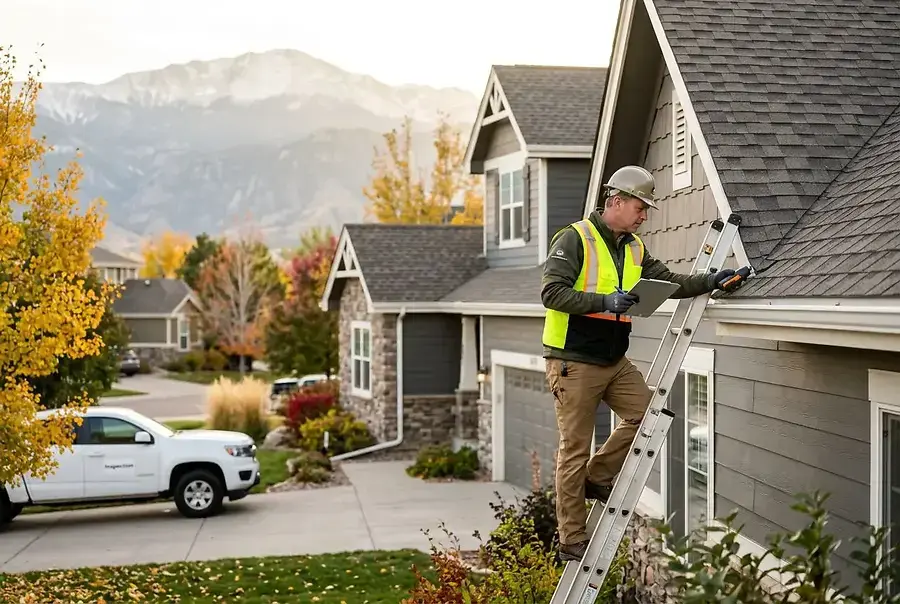
Why Home Inspections Matter in Fort Collins and Windsor
Purchasing a home is one of the most significant financial decisions you'll make in your lifetime. In Fort Collins and Windsor, where the real estate market moves quickly and properties vary widely in age and condition, a professional home inspection serves as your critical safeguard. An inspection provides an objective assessment of a property's condition before you commit to the purchase, potentially saving you thousands of dollars in unexpected repairs and giving you the confidence to move forward with your investment.
Colorado's Northern Front Range communities experience unique environmental and structural challenges. From the region's intense UV exposure and hail storms to the effects of seasonal temperature fluctuations on foundations, homes in this area face specific wear patterns that inspectors trained in local conditions understand well. A thorough inspection identifies these issues early, allowing you to negotiate repairs, request credits, or make an informed decision about proceeding with your purchase.
Key Areas Inspectors Evaluate: Structural, Systems, and Environmental Concerns
Structural Integrity and Foundation
The foundation is the literal foundation of your home's value and safety. Inspectors examine foundations for cracks, settling, and water intrusion—issues that are particularly important in Fort Collins and Windsor, where soil composition and moisture patterns can affect structural stability. They assess basement walls, crawl spaces, and the overall structural frame for signs of damage or deterioration that could compromise the home's integrity.
Roofing and Weather Protection
Colorado's intense sun and frequent hail storms make roof condition critical. Inspectors evaluate:
- Shingle condition and remaining lifespan
- Flashing around chimneys, vents, and skylights
- Signs of water damage or leaks
- Gutter and downspout functionality
- Attic ventilation and insulation
A compromised roof can lead to expensive water damage, making this assessment one of the most important aspects of any inspection.
Mechanical Systems
Your home's heating, cooling, plumbing, and electrical systems are essential to daily comfort and safety. Inspectors test:
- HVAC systems for proper operation and maintenance history
- Water heaters for age, condition, and safety features
- Electrical panels for code compliance and safety hazards
- Plumbing for leaks, water pressure, and drainage issues
- Appliances included in the sale for functionality
These systems represent significant replacement costs, so understanding their condition is crucial for budgeting future maintenance.
Environmental and Safety Concerns
Inspectors also assess environmental factors that affect health and safety:
- Radon levels (particularly important in Colorado)
- Mold and moisture issues
- Asbestos in older homes
- Lead-based paint (homes built before 1978)
- Carbon monoxide detectors and ventilation
These invisible hazards can pose serious health risks, making their identification essential for protecting your family.
Red Flags and Deal-Breakers: What Inspection Reports Really Reveal
Major Structural Issues
Significant foundation cracks, bowing walls, or evidence of settling can indicate serious structural problems requiring expensive repairs. While minor cracks are common, patterns suggesting movement or water intrusion warrant professional structural engineer evaluation before proceeding.
Roof Problems
A roof nearing the end of its lifespan or showing active leaks is a major concern. Roof replacement costs $8,000-$15,000 or more, making this a critical negotiation point. Multiple layers of shingles, missing shingles, or active water stains in the attic are red flags.
Plumbing and Water Issues
Outdated galvanized pipes, active leaks, low water pressure, or evidence of water damage suggest costly repairs ahead. Mold growth or persistent moisture problems indicate potential health hazards and structural damage.
Electrical Hazards
Outdated electrical panels, improper grounding, or evidence of amateur electrical work pose safety risks. Knob-and-tube wiring or aluminum wiring in older homes may require complete rewiring—an expensive undertaking.
HVAC System Failure
An aging or non-functional heating or cooling system in Colorado's climate is more than an inconvenience—it's a necessity. Replacement costs can exceed $5,000-$8,000, making system age and condition critical factors in your decision.
Environmental Hazards
Elevated radon levels, active mold growth, or confirmed asbestos/lead paint require immediate attention and professional remediation. These issues can affect your family's health and your home's resale value.
Using Inspection Insights to Make Confident Purchasing Decisions
Understanding Your Inspection Report
A thorough inspection report categorizes findings by severity. Critical items require immediate attention, major concerns need repair planning, and minor issues are maintenance notes. Understanding these distinctions helps you prioritize negotiations with the seller.
Negotiation Strategies
Armed with inspection findings, you have several options:
- Request the seller make repairs before closing
- Ask for a credit to cover repair costs
- Renegotiate the purchase price
- Walk away if issues are too significant
In Fort Collins and Windsor's competitive market, understanding which issues are negotiable and which are deal-breakers helps you make strategic decisions.
Planning for Future Maintenance
Even in homes with clean inspections, the report provides valuable information about maintenance schedules, system lifespans, and upcoming expenses. Use this information to budget for future repairs and plan maintenance accordingly.
Working with Local Inspectors
Choose inspectors familiar with Northern Colorado properties. They understand local building codes, common issues in the region, and the specific challenges posed by Colorado's climate. Their expertise adds significant value to your inspection investment.
Conclusion
A professional home inspection is not an expense—it's an investment in your peace of mind and financial security. In Fort Collins and Windsor, where homes range from historic properties to new construction, thorough inspections protect you from costly surprises and empower you to make confident purchasing decisions.
Don't skip this critical step in the home-buying process. The few hundred dollars spent on a comprehensive inspection can save you thousands in unexpected repairs and help ensure your new home is a sound investment for years to come. Your future self will thank you for the diligence.