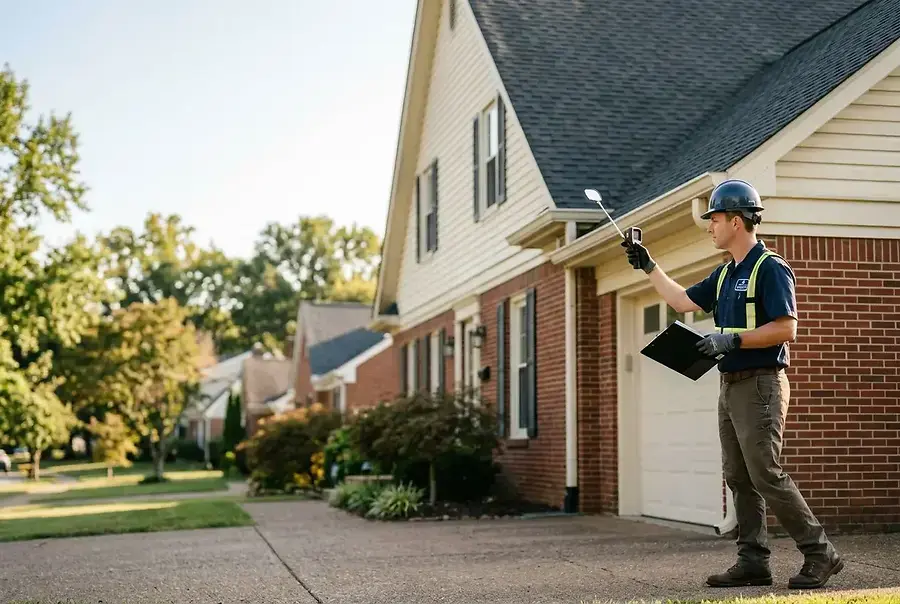
Why Home Inspections Matter in the Greater Louisville Market
Purchasing a home is one of the most significant financial decisions you'll make in your lifetime. In the Greater Louisville area, where the real estate market remains competitive and diverse, a thorough home inspection is your best defense against costly surprises after closing. Whether you're buying a historic Victorian in the Highlands, a modern home in Norton Commons, or a charming property in Prospect, understanding what inspectors look for can save you thousands of dollars and countless headaches.
A professional home inspection provides an objective assessment of a property's condition, identifying issues that may not be visible to the untrained eye. In Kentucky's varied climate—with its humid summers and cold winters—homes face unique challenges that require specialized knowledge to detect.
Key Inspection Areas: Structural, Systems, and Safety Concerns
Structural Integrity
The foundation is the backbone of any home. Inspectors examine foundations for cracks, settling, and water intrusion—common issues in the Louisville area due to clay soil composition and seasonal moisture fluctuations. They'll also assess:
- Basement and crawl space conditions for signs of water damage or mold
- Wall alignment and framing to detect structural shifts
- Roof condition and age, including shingles, flashing, and gutters
- Exterior walls and siding for deterioration or damage
Older homes in established Louisville neighborhoods may have unique structural considerations. Inspectors will note any settling that's normal for the home's age versus issues requiring immediate attention.
Mechanical and Electrical Systems
Your home's systems must function safely and efficiently. Inspectors evaluate:
- HVAC systems for proper operation and maintenance history
- Electrical panels and wiring for code compliance and safety hazards
- Plumbing systems including water pressure, drainage, and pipe materials
- Water heater condition, age, and capacity
- Gas lines and connections for leaks or improper installation
In Greater Louisville, inspectors pay special attention to homes with older knob-and-tube wiring or galvanized pipes, which may need replacement to meet current standards.
Safety and Environmental Concerns
Professional inspectors screen for hazards that could affect your family's health and safety:
- Lead paint in homes built before 1978
- Asbestos in insulation, floor tiles, and roofing materials
- Radon levels in basements—a particular concern in Kentucky
- Mold and moisture issues that could develop into serious problems
- Carbon monoxide risks from furnaces and gas appliances
Red Flags and Deal-Breakers: What Inspectors Commonly Find
Structural Red Flags
Foundation cracks and settling are among the most frequently discovered issues. While minor cracks are normal, horizontal cracks or those wider than a quarter-inch warrant professional evaluation. Bowing walls or uneven floors indicate serious structural problems that could be expensive to repair.
Roof damage is another common concern. If a roof is near the end of its lifespan or shows signs of deterioration, budget $8,000-$15,000 for replacement in the Louisville area.
System Failures
Inspectors frequently discover:
- Outdated electrical panels that can't handle modern power demands
- Plumbing issues like corroded pipes or improper venting
- HVAC systems that are failing or oversized for the home
These issues can range from minor adjustments to major replacements costing several thousand dollars.
Environmental Hazards
Radon is a naturally occurring radioactive gas that can accumulate in basements. Kentucky homes should be tested, and elevated levels require mitigation systems.
Mold growth, particularly in basements and crawl spaces, indicates moisture problems that need addressing before they become health hazards.
Using Inspection Reports to Negotiate and Protect Your Purchase
Understanding Your Report
A comprehensive inspection report details every finding, categorized by severity. Items are typically marked as:
- Safety hazards requiring immediate attention
- Major repairs needed within the next few years
- Minor issues that are cosmetic or low-priority
- Maintenance recommendations for ongoing care
Negotiation Strategies
Armed with your inspection report, you have several options:
- Request repairs from the seller before closing
- Negotiate a price reduction to cover repair costs yourself
- Request a credit at closing for specific issues
- Walk away if major issues exceed your budget or comfort level
In the competitive Greater Louisville market, sellers may be reluctant to make repairs, making a price reduction the most realistic option for significant issues.
Protecting Your Investment
Use your inspection report as a roadmap for future maintenance. Address safety issues immediately and plan for major repairs based on the inspector's timeline recommendations. This proactive approach prevents small problems from becoming expensive disasters.
Consider obtaining a home warranty that covers major systems, providing additional protection during your first year of ownership.
Final Thoughts
A thorough home inspection is an investment in peace of mind and financial security. In the Greater Louisville market, where homes range from historic properties to new construction, professional inspections provide the detailed information you need to make confident purchasing decisions. Don't skip this crucial step—your future self will thank you.
