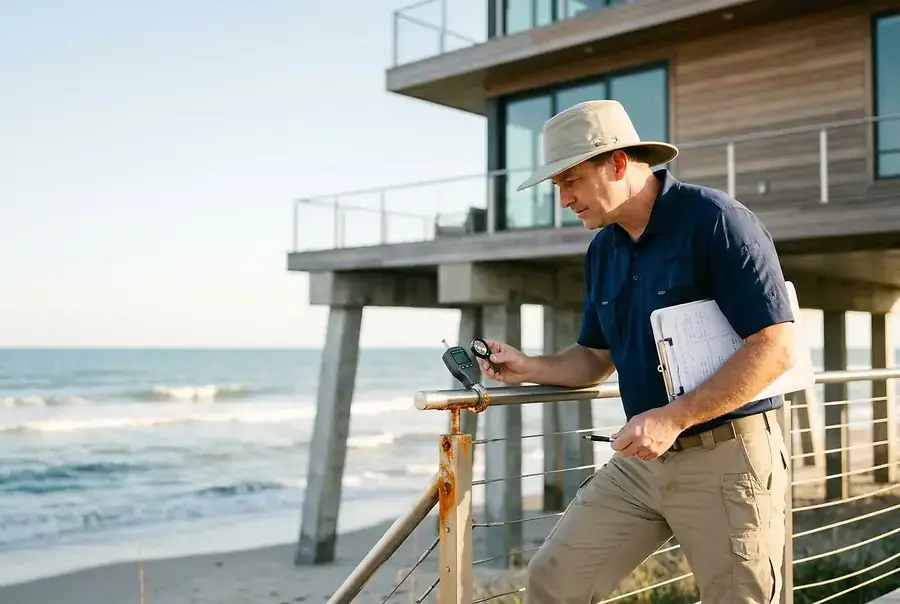
Understanding Coastal Home Inspection Requirements in Northeast Florida
Purchasing a home in Jacksonville's coastal communities is an exciting investment, but it comes with unique challenges that differ significantly from inland properties. The salt air, humidity, and proximity to the Atlantic Ocean create environmental conditions that demand specialized inspection knowledge. Unlike standard residential inspections, coastal property evaluations must account for accelerated deterioration caused by marine environments.
Northeast Florida's beachside properties face distinct pressures that can compromise structural integrity and aesthetic appeal over time. Understanding these regional requirements is the first step toward making an informed purchase decision. A thorough inspection tailored to coastal conditions can reveal hidden issues before they become expensive problems.
Key Areas to Evaluate: Salt Air, Moisture, and Foundation Concerns
Salt Air Damage and Metal Corrosion
Salt air is one of the most destructive forces affecting coastal homes. The salt particles carried by ocean breezes corrode metal components, including:
- HVAC systems and air conditioning units
- Roofing nails and fasteners
- Gutters and downspouts
- Metal railings and hardware
- Electrical fixtures and outdoor lighting
During your inspection, pay close attention to any visible rust or discoloration on metal surfaces. Corrosion that appears minor on the surface often indicates deeper deterioration beneath. Inspectors should examine the underside of gutters, the interior of HVAC units, and all exposed fasteners for signs of advanced corrosion.
Moisture Intrusion and Mold Prevention
The high humidity levels in Jacksonville's coastal areas create ideal conditions for moisture accumulation and mold growth. Moisture problems are among the most costly issues to remediate, making early detection crucial. Key areas to inspect include:
- Attic ventilation and insulation
- Basement and crawl space conditions
- Window and door seals
- Roof flashing and penetrations
- Exterior wall cladding and siding
Look for water stains, discoloration, soft spots in wood, or musty odors. Professional moisture meters can detect hidden dampness that isn't visible to the naked eye. This technology is invaluable for identifying problems before they develop into serious structural issues.
Foundation and Structural Integrity
Coastal properties in Northeast Florida often sit on sandy or unstable soil, which can shift due to moisture changes and salt water intrusion. Foundation concerns are particularly important to evaluate:
- Cracks in concrete slabs or foundation walls
- Uneven floors or sloping surfaces
- Separation between walls and ceilings
- Damage to pilings or support structures
- Evidence of settling or movement
Elevated homes on pilings require special attention. Inspectors should examine the condition of pilings, cross-bracing, and connections for signs of rot, insect damage, or structural compromise. Any foundation issues should be evaluated by a structural engineer before proceeding with a purchase.
Working with Local Inspectors Who Know Jacksonville's Unique Climate
Choosing the Right Inspector
Not all home inspectors have experience with coastal properties. When selecting an inspector for your Jacksonville beachside home, prioritize those with:
- Specific experience inspecting coastal properties
- Knowledge of Northeast Florida building codes and regulations
- Familiarity with local soil conditions and environmental factors
- Certifications in moisture detection and mold assessment
- Understanding of salt air corrosion patterns
Ask potential inspectors about their experience with elevated homes, pilings, and coastal-specific issues. A qualified inspector should be able to discuss the unique challenges of Jacksonville's coastal environment with confidence and expertise.
What to Expect During the Inspection
A comprehensive coastal home inspection typically takes longer than a standard inspection—often 3-4 hours or more. The inspector should provide detailed documentation of all findings, including photographs and recommendations for repairs or further evaluation. Request a written report that clearly identifies issues by severity level.
Attend the inspection if possible. This allows you to ask questions directly and understand the inspector's concerns firsthand. A good inspector will explain findings in clear language and help you understand the implications for your investment.
Using Inspection Results to Negotiate and Protect Your Investment
Interpreting Your Inspection Report
Once you receive your inspection report, take time to review it carefully. Not all findings require immediate action, but understanding the severity and cost of repairs is essential. Categorize issues into three groups:
- Critical Issues: Problems affecting safety or structural integrity that require immediate repair
- Important Issues: Maintenance concerns that should be addressed within 1-2 years
- Minor Issues: Cosmetic or low-priority items that can be addressed over time
Negotiation Strategies
Use your inspection report as a negotiation tool. Obtain repair estimates from qualified contractors for significant issues.
Armed with specific costs and professional recommendations, you can request that the seller either make repairs, provide credits toward closing costs, or reduce the purchase price.
For coastal properties, be especially cautious about deferred maintenance. Salt air damage and moisture problems tend to accelerate, meaning small issues can quickly become expensive ones. Don't hesitate to request professional evaluations for any concerns that fall outside the inspector's scope.
Long-Term Protection and Maintenance
Your inspection report should serve as a roadmap for ongoing maintenance. Establish a regular maintenance schedule based on the inspector's recommendations to protect your investment. Coastal properties require more frequent maintenance than inland homes, including:
- Annual roof inspections and cleaning
- Regular HVAC system maintenance and replacement
- Periodic resealing of windows and doors
- Foundation and piling inspections every 2-3 years
- Moisture monitoring in attics and crawl spaces
By staying proactive with maintenance and addressing issues promptly, you'll preserve your home's value and avoid costly emergency repairs. A well-maintained coastal property is not only safer and more comfortable but also more attractive to future buyers.
Investing in a thorough inspection and following through with recommended maintenance is the best way to protect your Jacksonville coastal property investment for years to come.