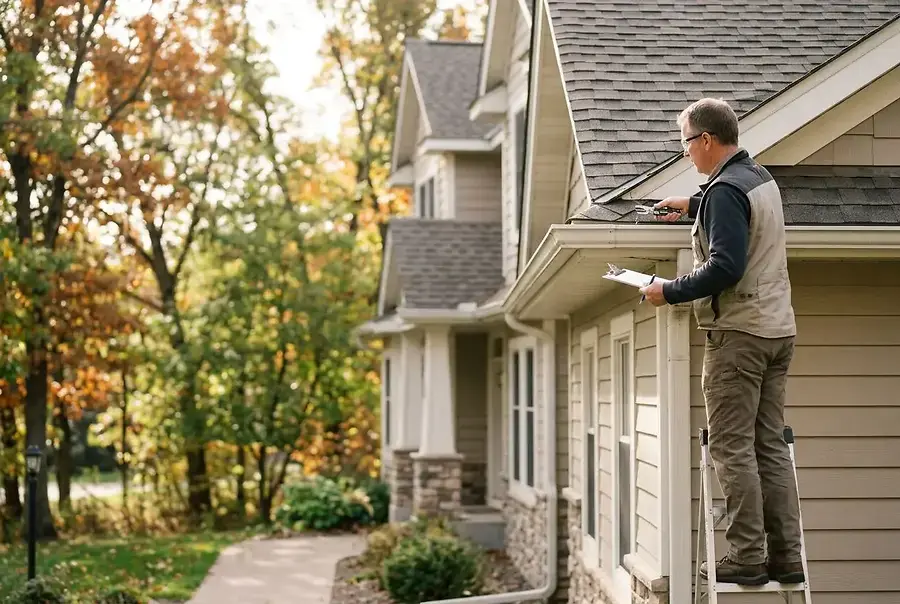
Understanding the Home Inspection Process and Why It Matters
Purchasing a home is one of the most significant financial decisions you'll make. In competitive Twin Cities markets like Maple Grove, Plymouth, Wayzata, and Minnetonka, a professional home inspection serves as your critical safeguard against costly surprises after closing. A home inspection is a thorough, non-invasive examination of a property's physical structure and systems, typically lasting two to four hours.
During this process, a certified inspector evaluates everything from the foundation to the roof, documenting the condition of major systems and components. This detailed report becomes your roadmap for understanding what you're actually buying and what maintenance or repairs may lie ahead. Without a professional inspection, you could inherit thousands of dollars in unexpected repairs or safety issues.
Why Inspections Are Essential in Minnesota Suburbs
Minnesota's climate presents unique challenges for homeowners. Freeze-thaw cycles, heavy snow loads, and temperature fluctuations can accelerate wear on roofing, foundations, and exterior structures. Older homes in these established communities may have outdated systems or hidden damage from decades of weather exposure. Even newer construction can have defects that only trained inspectors can identify.
Key Areas Inspectors Evaluate in Older and Newer Homes
Structural Components
Inspectors examine the foundation, basement walls, and crawl spaces for cracks, water intrusion, or settling issues. In Minnesota homes, proper grading and drainage are critical to prevent water damage. Foundation problems can be extremely expensive to repair, making this one of the most important inspection areas.
Roofing and Exterior
The roof is your home's first line of defense against Minnesota winters. Inspectors assess shingle condition, flashing integrity, gutters, and downspouts. They'll check for signs of leaks, ice dam damage, or deterioration. Siding, windows, and doors are evaluated for weather-tightness and proper installation.
HVAC Systems
Heating and cooling systems are essential in Minnesota's extreme climate. Inspectors test furnaces, air conditioners, and heat pumps for proper operation and efficiency. They examine ductwork, thermostats, and ventilation systems. An aging HVAC system may require replacement within a few years, which is a significant expense to budget for.
Plumbing and Water Systems
Inspectors check water pressure, drainage, and the condition of pipes throughout the home. They identify potential issues with:
- Water heater age and condition
- Galvanized or polybutylene pipes (common in older homes and prone to failure)
- Sump pump functionality
- Septic systems (if applicable)
- Well water quality (if applicable)
Electrical Systems
A thorough electrical inspection ensures safety and code compliance. Inspectors evaluate the main panel, wiring, outlets, and grounding. Older homes may have outdated electrical systems that don't meet current demands or safety standards.
Interior Components
Inspectors examine walls, ceilings, floors, stairs, and built-in appliances. They look for water stains, mold, pest damage, and structural issues. Kitchen and bathroom fixtures are tested for proper operation.
Red Flags and How to Negotiate After Inspection Results
Common Red Flags in Twin Cities Homes
Water damage and moisture issues are among the most common problems in Minnesota homes. Look for staining, soft spots, or mold in basements, attics, and crawl spaces. Roof leaks, foundation cracks, and poor drainage are serious concerns that require professional assessment and repair estimates.
Other red flags include:
- Outdated electrical panels or knob-and-tube wiring
- Asbestos or lead paint in older homes
- Failing HVAC systems nearing end of life
- Pest infestations or evidence of termites
- Improper ventilation or inadequate insulation
- Non-permitted additions or renovations
Negotiating After Inspection
Once you receive the inspection report, you have several options. You can request repairs from the seller, ask for a credit toward closing costs, or renegotiate the purchase price. In competitive markets, sellers may be unwilling to make major repairs, so be strategic about which issues you prioritize.
Focus negotiations on significant structural problems, safety hazards, and major system failures. Minor cosmetic issues or normal wear-and-tear are typically the buyer's responsibility. Obtain repair estimates from licensed contractors to support your negotiation requests with concrete numbers.
Pro Tip: Never skip the inspection contingency in your purchase agreement. This protection allows you to walk away or renegotiate if serious issues are discovered.
Moving Forward: Using Inspection Reports to Make Confident Offers
Leveraging Inspection Data
A comprehensive inspection report is more than just a list of problems—it's a valuable tool for making informed decisions. Use the report to understand the home's true condition and create a realistic budget for future maintenance and repairs. This knowledge helps you make confident offers in competitive markets like Wayzata and Minnetonka.
Planning for Future Maintenance
The inspection report provides a timeline for major expenses. If the roof has 5-7 years of life remaining, budget for replacement. If the HVAC system is 15 years old, plan for eventual replacement. Understanding these timelines helps you negotiate better and avoid financial surprises after purchase.
Working with Your Real Estate Agent
Your real estate agent should help you interpret inspection results and develop a negotiation strategy. They understand local market conditions in Maple Grove, Plymouth, Wayzata, and Minnetonka and can advise whether sellers are likely to negotiate repairs or credits. A skilled agent uses inspection findings to strengthen your position without overreaching.
Final Thoughts
Home inspections are an investment in peace of mind and financial protection. By understanding what inspectors evaluate, recognizing red flags, and using inspection reports strategically, you can make confident purchasing decisions in the Twin Cities suburbs. Don't let the excitement of finding your dream home overshadow the importance of a thorough inspection. Your future self will thank you for the diligence.