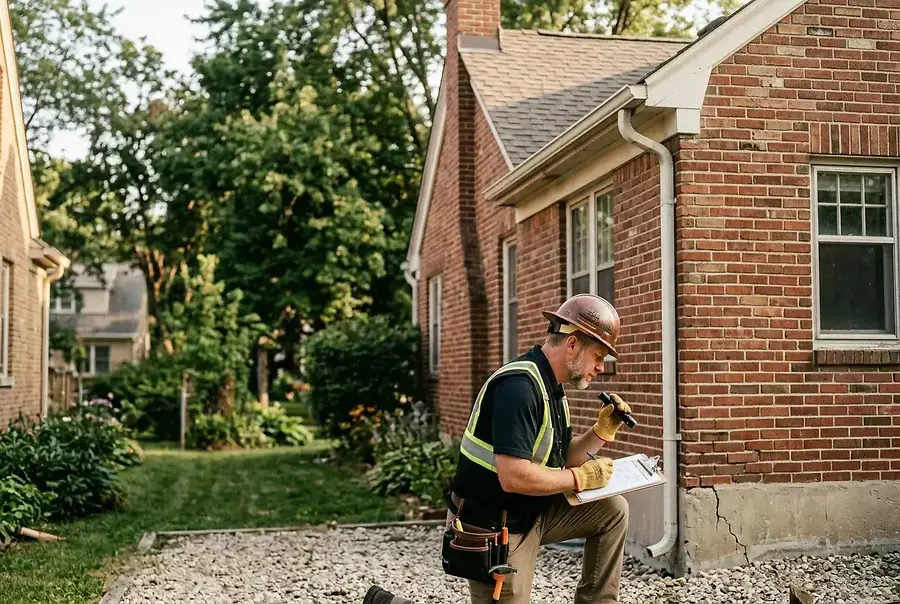
What Every Home Inspection Reveals: Critical Systems and Structural Concerns
A professional home inspection is one of the most important steps in the home-buying process. During a thorough inspection, certified inspectors examine multiple systems and structural components that directly impact your home's safety, functionality, and value.
The inspection process typically covers:
- Roof and Attic: Inspectors assess shingle condition, flashing, ventilation, and signs of leaks or water damage
- Foundation and Basement: Cracks, settling, moisture intrusion, and structural integrity are carefully evaluated
- Electrical Systems: Panel condition, wiring, outlets, and safety compliance are thoroughly reviewed
- Plumbing: Water pressure, drainage, pipe materials, and potential leaks are tested
- HVAC Systems: Heating and cooling efficiency, age, and maintenance history are documented
- Insulation and Ventilation: Energy efficiency and proper air circulation are assessed
- Windows and Doors: Seals, operation, and weather-tightness are examined
Understanding these critical areas helps you make an informed decision about your potential purchase and identify any immediate concerns that could affect your family's safety or comfort.
Red Flags to Watch: Common Issues Found in Milwaukee and Kimberly Properties
Milwaukee and Kimberly properties, many built decades ago, often present unique inspection challenges. Being aware of common issues in the region helps you prepare for potential findings.
Moisture and Water Damage
Wisconsin's climate creates significant moisture concerns. Basement water intrusion is particularly common in older Milwaukee homes, where foundation cracks and inadequate drainage systems allow water to seep in during heavy rains or spring thaw. Look for efflorescence (white mineral deposits), staining, or mold growth as warning signs.
Aging Roof Systems
Many regional properties feature roofs nearing the end of their lifespan. Inspectors will note missing shingles, curling, granule loss, and deteriorated flashing. A roof replacement can be a significant expense, so understanding its remaining life is crucial for your budget planning.
Outdated Electrical Systems
Older homes may still have aluminum wiring or insufficient grounding, creating fire hazards. Knob-and-tube wiring, while charming historically, poses serious safety risks and may affect insurance rates. Modern electrical demands often exceed what aging systems can safely provide.
Plumbing Concerns
Galvanized pipes, common in homes built before the 1970s, corrode over time and reduce water pressure. Cast iron drain pipes may be deteriorating. These issues often require significant investment to remedy.
HVAC Age and Efficiency
Heating systems in older homes may be nearing replacement age. Inspectors evaluate whether systems meet current efficiency standards and estimate remaining useful life, helping you budget for potential upgrades.
Navigating Inspection Reports: Understanding Findings and Negotiating Repairs
Once your inspection is complete, you'll receive a detailed report. Understanding how to read and interpret these findings is essential for your next steps.
Report Organization and Severity Levels
Professional inspection reports typically categorize findings by severity. Critical issues require immediate attention for safety reasons. Major concerns may affect home value or functionality. Minor issues are typically cosmetic or maintenance-related. Understanding these distinctions helps you prioritize your concerns.
Requesting Clarification
Don't hesitate to ask your inspector questions about specific findings. Request photos, explanations of repair costs, and recommendations for addressing issues. A good inspector will help you understand the implications of each finding and whether repairs are urgent or can be deferred.
Negotiation Strategies
Armed with your inspection report, you have several options:
- Request repairs: Ask the seller to fix critical issues before closing
- Request credits: Negotiate a price reduction to cover repair costs yourself
- Request inspections: For major systems, ask for specialist inspections (roof, electrical, plumbing)
- Accept as-is: Proceed without requests if issues are minor or acceptable to you
Your negotiating position depends on market conditions, the severity of findings, and your willingness to walk away. In competitive markets, sellers may be less flexible, while slower markets may favor buyer requests.
Getting Specialist Opinions
For significant concerns identified in the general inspection, consider hiring specialists. A structural engineer can evaluate foundation issues, a roofer can assess roof condition, and an electrician can review electrical systems. These targeted inspections provide detailed cost estimates and timelines for repairs.
Moving Forward with Confidence: Using Inspection Results to Make Your Best Offer
Your inspection report is a powerful tool for making informed decisions about your home purchase. Use these insights strategically to protect your investment.
Budget Planning
Create a realistic budget for addressing inspection findings. Prioritize critical safety issues, then plan for major repairs within the first year. This prevents financial surprises and helps you maintain your home properly going forward.
Making Your Best Offer
Use inspection results to justify your offer price. If significant repairs are needed, your inspection provides documentation supporting a lower offer or repair requests. Sellers are more likely to negotiate when faced with professional inspection documentation rather than speculation.
Building Your Home Maintenance Plan
Beyond negotiation, your inspection report becomes your home maintenance roadmap. Note recommended maintenance schedules, system ages, and upcoming replacement timelines. This proactive approach prevents costly emergency repairs and extends the life of your home's systems.
Pro Tip: Keep your inspection report and all related documents in a safe place. You'll reference it for insurance purposes, future repairs, and when you eventually sell the home.
Peace of Mind
A thorough home inspection provides invaluable peace of mind. You'll understand exactly what you're purchasing, anticipate future expenses, and make confident decisions about your new home. In Milwaukee and Kimberly's competitive real estate market, this knowledge gives you a significant advantage.
By understanding what inspectors look for, recognizing common regional issues, and effectively using your inspection report, you're taking the most important step toward protecting your investment and ensuring your new home is safe, sound, and suitable for your family's needs.