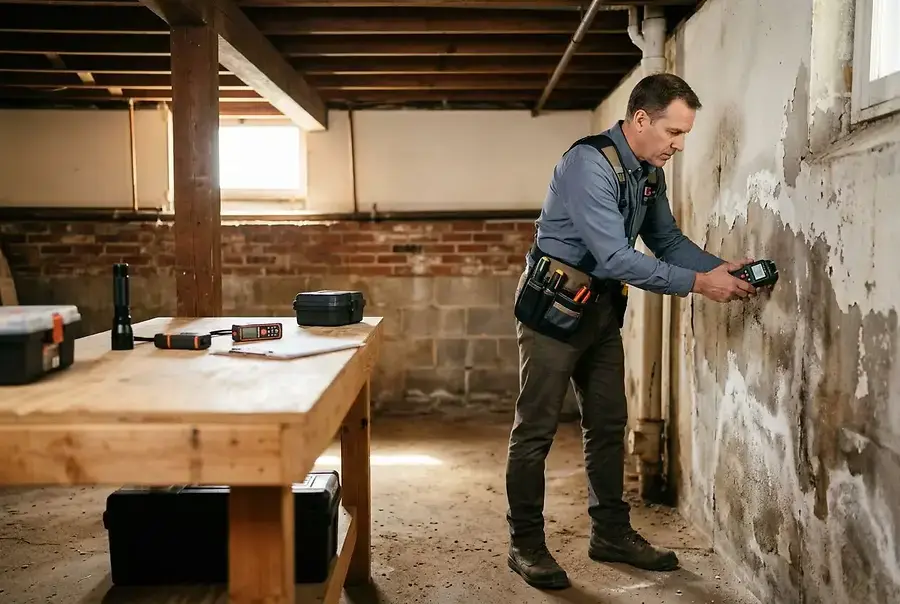
Understanding the Home Inspection Process and Why It Matters
A home inspection is one of the most important steps in the home-buying process, especially in the North Suburban Boston area where properties vary widely in age and condition. This comprehensive evaluation by a licensed professional examines the structural integrity, mechanical systems, and overall condition of a property before you commit to the purchase.
The inspection typically lasts two to three hours and covers everything from the foundation to the roof. Why does this matter? A thorough inspection can reveal hidden problems that could cost thousands of dollars to repair after you've already closed on the property. In Massachusetts, having a professional inspection is not just recommended—it's essential for protecting your investment.
What Happens During a Standard Home Inspection
During the inspection, a qualified professional will examine:
- Structural components including foundation, framing, and load-bearing walls
- Roofing materials and condition
- Plumbing systems and water pressure
- Electrical systems and panel condition
- HVAC systems and heating efficiency
- Insulation and ventilation
- Windows, doors, and exterior siding
- Basement or crawl space conditions
You have the right to be present during the inspection and ask questions. This is your opportunity to learn about the property's condition firsthand.
Common Issues Found in North Suburban Boston Homes: What Inspectors Look For
The North Suburban Boston region has unique characteristics that influence the types of problems inspectors commonly encounter. Many homes in this area were built decades ago, which means they may have outdated systems or materials that need attention.
Aging Roofs and Water Damage
One of the most frequent issues in older Massachusetts homes is roof deterioration. Asphalt shingles typically last 15-20 years, and many homes in the area have roofs approaching or exceeding this lifespan. Water damage from roof leaks can lead to mold growth and structural damage if left unaddressed.
Foundation and Basement Concerns
The freeze-thaw cycles common to New England can be tough on foundations. Inspectors frequently find:
- Cracks in concrete foundations
- Water seepage and moisture issues
- Efflorescence (white mineral deposits)
- Inadequate drainage around the foundation
Outdated Electrical and Plumbing Systems
Homes built in the mid-20th century often have electrical panels that are undersized for modern usage. Knob-and-tube wiring, while charming in historic homes, poses safety risks. Similarly, galvanized steel pipes may have corroded, affecting water quality and pressure.
HVAC System Age
Heating systems in North Suburban Boston homes are critical components. Oil heating systems, common in the region, require regular maintenance and eventual replacement. An aging furnace or boiler can be a significant expense.
Red Flags and Deal-Breakers: Making Informed Decisions
While some issues are minor and easily fixed, others should give you serious pause before proceeding with a purchase.
Structural Problems
Major structural issues are typically deal-breakers. These include:
- Significant foundation cracks or settling
- Rotted support beams or joists
- Evidence of termite or carpenter ant damage
- Sagging floors or ceilings
Structural repairs can cost $10,000 to $100,000 or more, making them prohibitively expensive for most buyers.
Mold and Moisture Issues
Extensive mold growth, particularly in basements or crawl spaces, indicates serious moisture problems.
Mold remediation can be costly and may indicate deeper water intrusion issues that require professional assessment.
Hazardous Materials
Homes built before the 1980s may contain asbestos, lead paint, or other hazardous materials. While these don't automatically disqualify a property, they require professional remediation and add to your costs.
Major System Failures
If the roof needs immediate replacement, the electrical panel is dangerous, or the HVAC system is completely non-functional, these are significant red flags that should factor heavily into your decision.
Negotiating Repairs and Next Steps After Your Inspection
Once you have the inspection report in hand, you have options for how to proceed.
Understanding Your Negotiating Position
In Massachusetts, you typically have a period (often 10 days) to conduct inspections and negotiate repairs or credits. Use this time wisely. You can:
- Request that the seller make repairs before closing
- Ask for a credit toward closing costs to handle repairs yourself
- Renegotiate the purchase price based on inspection findings
- Walk away from the deal if issues are too significant
Getting Repair Estimates
Don't rely solely on the inspector's report. For major issues, obtain written estimates from licensed contractors. This gives you concrete numbers to use in negotiations and helps you understand the true cost of repairs.
Prioritizing Issues
Not every issue requires immediate attention. Prioritize repairs based on:
- Safety concerns (electrical, structural, hazardous materials)
- Systems that affect livability (heating, plumbing, roof)
- Cosmetic issues that can wait
Final Steps Before Closing
After negotiations are complete, consider a final walk-through inspection to confirm that agreed-upon repairs have been completed. This protects you from surprises at closing and ensures the property is in the condition you agreed to purchase.
Remember: A home inspection is an investment in your peace of mind. Taking the time to understand the inspection process and carefully review the findings will help you make an informed decision about one of the largest purchases of your life.