Introduction: Why Home Inspections Matter in Prince George's County
Purchasing a home is one of the most significant financial decisions you'll make in your lifetime. In Prince George's County, Maryland, where the real estate market is vibrant and competitive, a thorough home inspection is not just recommended—it's essential. A professional home inspection provides you with a detailed understanding of your potential property's condition, helping you avoid costly surprises and make informed decisions about your investment.
Whether you're buying a historic home in Hyattsville, a modern residence in Bowie, or a charming property in College Park, understanding what inspectors look for can empower you as a buyer. This guide will walk you through the critical areas examined during a home inspection and the common issues specific to the Prince George's County region.
Key Areas Inspectors Examine in Residential Properties
Structural Integrity and Foundation
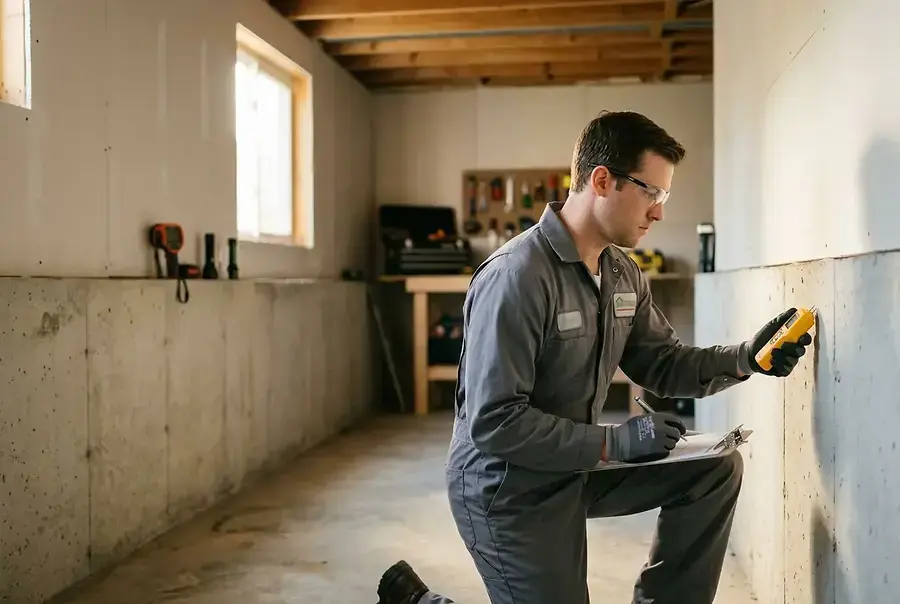
The foundation is the backbone of any home. Professional inspectors carefully examine the foundation for cracks, settling, water damage, and signs of structural movement. In Prince George's County, where many homes were built decades ago, foundation issues can be particularly common due to soil composition and age-related wear.
What to look for:
- Visible cracks in the foundation walls or basement floors
- Water stains or moisture accumulation in basements
- Uneven or sloping floors
- Gaps between walls and the foundation
Roofing and Exterior
Your roof protects everything beneath it. Inspectors evaluate the roof's age, condition, and remaining lifespan. They also examine gutters, downspouts, siding, windows, and doors for damage and proper installation.
Key inspection points include:
- Roof shingles for curling, missing pieces, or granule loss
- Flashing around chimneys and vents
- Gutter functionality and proper drainage
- Exterior siding for rot, damage, or deterioration
- Window and door seals for air leaks
Plumbing Systems
A functional plumbing system is crucial for daily living. Inspectors test water pressure, check for leaks, examine pipe materials, and assess the water heater's condition. Many older homes in Prince George's County may have outdated plumbing that requires attention.
- Water pressure and flow rates
- Visible leaks under sinks and around fixtures
- Water heater age and condition
- Pipe materials (galvanized, copper, or PVC)
- Septic system functionality (if applicable)
Electrical Systems
Electrical safety is paramount. Inspectors examine the electrical panel, wiring, outlets, and switches to ensure the system meets current safety standards. Outdated electrical systems can pose fire hazards and may not support modern appliance demands.
- Electrical panel capacity and condition
- Presence of proper grounding and bonding
- GFCI outlets in bathrooms and kitchens
- Outdated wiring (knob-and-tube or aluminum)
- Proper circuit breaker labeling
HVAC Systems
Heating, ventilation, and air conditioning systems are essential for comfort year-round. Inspectors evaluate the furnace, air conditioning unit, ductwork, and thermostat functionality. Regular maintenance history is also important to consider.
Interior Conditions
Inspectors examine walls, ceilings, floors, and insulation for damage, moisture, and proper installation. They also check for signs of pest infestations, mold, and asbestos in older homes.
Red Flags and Common Issues Found in the Region
Water Damage and Moisture Problems
Prince George's County's humid climate and occasional heavy rainfall make water damage a common concern. Watch for:
- Staining on ceilings or walls indicating roof leaks
- Musty odors suggesting mold or mildew
- Efflorescence (white powder) on basement walls
- Soft spots in flooring or drywall
Aging Infrastructure
Many homes in Prince George's County were built in the 1960s through 1980s. Common aging-related issues include:
- Outdated electrical systems requiring upgrades
- Galvanized pipes prone to corrosion
- Deteriorating roof shingles nearing end of life
- Inadequate insulation by modern standards
HVAC System Age
Furnaces and air conditioning units typically last 15-20 years. If your potential home has original systems from the 1980s or 1990s, budget for replacement soon. This is a significant expense that should factor into your purchase decision.
Pest and Termite Damage
The region's climate creates ideal conditions for termites and other pests. Red flags include:
- Mud tubes on foundation walls
- Wood damage or hollow-sounding wood
- Evidence of carpenter ants or other wood-boring insects
- Previous pest treatment documentation
Asbestos and Lead Paint
Homes built before the 1980s may contain asbestos in insulation, floor tiles, or roofing materials. Homes built before 1978 likely have lead-based paint. While not always dangerous if undisturbed, these materials should be identified and properly managed.
Basement and Crawlspace Issues
Many Prince George's County homes have basements or crawlspaces that are prone to moisture intrusion. Poor drainage, inadequate vapor barriers, and insufficient grading around the foundation are common problems that can lead to costly repairs.
Conclusion: Making Informed Decisions Before Your Purchase
A comprehensive home inspection is your best defense against unexpected repairs and costly surprises. By understanding what inspectors examine and the specific issues common to Prince George's County, you can approach your home purchase with confidence and knowledge.
Remember these key takeaways:
- Always hire a licensed, professional home inspector
- Attend the inspection and ask questions about findings
- Request a detailed written report with photographs
- Budget for potential repairs identified in the inspection
- Use inspection results to negotiate repairs or credits with the seller
Your home inspection is an investment in your peace of mind and financial security. Whether you're buying in Prince George's County's thriving communities or anywhere else, taking the time to thoroughly evaluate a property before purchase is a decision you'll appreciate for years to come. Don't let excitement about a new home override the importance of due diligence—a thorough inspection today can save you thousands of dollars tomorrow.