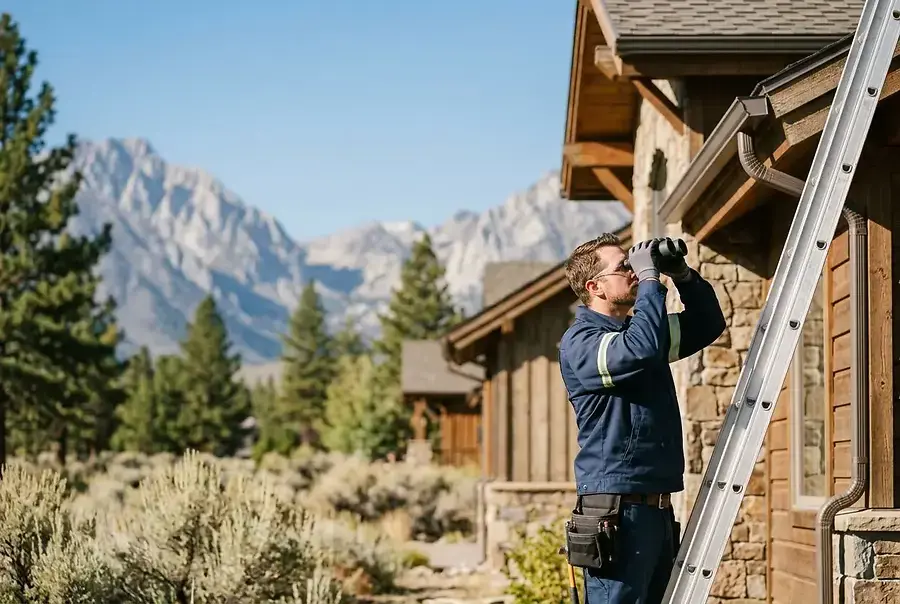
Introduction: Why Home Inspections Matter in These Markets
Purchasing a home is one of the most significant financial decisions you'll make in your lifetime. Whether you're buying in the vibrant Reno market or the picturesque Incline Village area, a thorough home inspection is your first line of defense against costly repairs and unexpected problems. These regions present unique environmental challenges that can impact property conditions in ways that buyers from other areas might not anticipate.
The high elevation, extreme temperature fluctuations, and intense UV exposure in both Reno and Incline Village create specific wear patterns on homes. A professional home inspection tailored to these conditions can reveal issues that might otherwise go unnoticed until after you've signed the papers. This guide will help you understand what inspectors look for and what red flags should concern you.
Key Areas Inspectors Focus On in Mountain and Desert Climates
Roof and Attic Conditions
Your roof is your home's primary defense against the elements. In these regions, inspectors pay special attention to:
- Shingle degradation from intense sun exposure and UV radiation
- Proper ventilation to prevent heat buildup in summer and moisture issues in winter
- Flashing integrity around chimneys and vents, which can deteriorate quickly in high-altitude environments
- Snow load capacity, particularly important in Incline Village where heavy winter snow is common
Foundation and Structural Integrity
The freeze-thaw cycles common in mountain communities can wreak havoc on foundations. Inspectors examine:
- Cracks in concrete or foundation walls
- Signs of settling or shifting
- Water intrusion patterns and drainage issues
- Proper grading around the foundation to direct water away from the structure
HVAC and Heating Systems
With temperature swings from scorching summers to freezing winters, your heating and cooling systems must be robust. Inspectors evaluate:
- Age and condition of furnaces and air conditioning units
- Proper ductwork installation and insulation
- Adequate capacity for the home's square footage
- Regular maintenance records and service history
Plumbing and Water Systems
High-altitude living presents unique plumbing challenges. Inspectors look for:
- Pipe material and condition – older copper or galvanized pipes may need replacement
- Water pressure and flow rates which can be affected by elevation
- Septic system functionality if applicable, as freeze-thaw cycles impact these systems
- Water heater capacity and efficiency for high-altitude performance
Insulation and Weatherization
Energy efficiency is crucial in these climates. Inspectors assess:
- Attic insulation levels and proper installation
- Wall insulation quality
- Window and door sealing effectiveness
- Overall thermal envelope integrity
Red Flags Specific to Reno and Incline Village Properties
Water Damage and Moisture Issues
One of the most serious concerns in these regions is water damage. Look for:
- Staining on ceilings or walls indicating roof leaks
- Musty odors suggesting mold or mildew
- Soft spots in flooring or walls
- Evidence of previous water remediation without proper root cause repair
Water damage can be extremely expensive to repair and may indicate larger structural problems.
Inadequate Drainage Systems
Poor drainage is a common issue that leads to foundation problems. Red flags include:
- Gutters that are clogged, damaged, or missing
- Downspouts that drain too close to the foundation
- Grading that slopes toward the house rather than away from it
- Standing water in the yard or basement after rain
Roof Age and Condition
Given the harsh sun exposure, roofs deteriorate faster here. Be concerned if:
- The roof is more than 15-20 years old
- Shingles are curling, cracked, or missing
- There's visible moss or algae growth
- Previous repairs are visible without documentation of proper installation
HVAC System Deficiencies
An inadequate or aging HVAC system can be costly to replace. Watch for:
- Systems older than 15-20 years
- Uneven heating or cooling throughout the home
- Lack of maintenance records
- Undersized units that can't handle the climate demands
Radon and Air Quality Concerns
Radon testing is essential in these areas. High elevation properties are particularly susceptible to radon gas seeping into homes. Ensure the inspector tests for radon and that results are within acceptable levels.
Septic System Problems (Where Applicable)
For properties with septic systems, freeze-thaw cycles can cause significant damage. Red flags include:
- Slow draining fixtures
- Sewage odors
- Wet spots in the yard
- Lack of maintenance records or system age unknown
Conclusion: Making Informed Decisions Before You Buy
A comprehensive home inspection is not an expense – it's an investment in your peace of mind and financial security. In Reno and Incline Village, where environmental factors create unique challenges, hiring a qualified inspector familiar with local conditions is absolutely critical.
Don't let the excitement of finding your dream home override the importance of due diligence. A thorough inspection can save you tens of thousands of dollars in unexpected repairs.
Before making an offer, ensure your purchase agreement includes a professional home inspection contingency. Take time to review the inspection report carefully, ask questions, and don't hesitate to request a second opinion on any concerns. If significant issues are discovered, use this information to negotiate repairs or credits with the seller.
By understanding what inspectors look for and knowing the specific red flags in these regions, you're taking control of your home-buying experience. Armed with this knowledge, you can make informed decisions that protect your investment and ensure your new home is safe, sound, and ready for years of enjoyment.