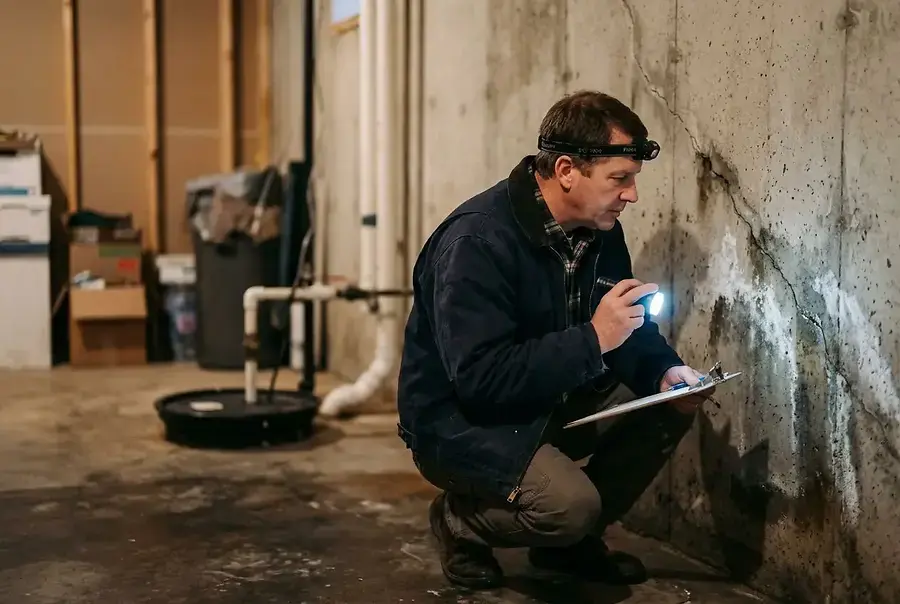
Why Home Inspections Matter in Wisconsin's Climate
Purchasing a home is one of the most significant investments you'll make in your lifetime. In South-Central Wisconsin, where winters are harsh and moisture is a constant concern, a thorough home inspection becomes even more critical. The region's unique climate and construction styles create specific challenges that buyers must understand before making an offer.
A professional home inspection provides an objective assessment of a property's condition, identifying potential issues that could cost thousands of dollars in repairs. Rather than discovering problems after closing, a comprehensive inspection gives you the knowledge to negotiate repairs, request credits, or make an informed decision about whether to proceed with the purchase.
Wisconsin's climate presents particular challenges: Freeze-thaw cycles, heavy snow loads, and seasonal moisture fluctuations can accelerate wear on homes. Understanding these regional factors helps you ask the right questions and know what to expect during the inspection process.
Regional Concerns: Foundation, Moisture, and Seasonal Wear in South-Central Wisconsin
Foundation Issues
South-Central Wisconsin's clay-heavy soil and freeze-thaw cycles make foundation problems common. Inspectors pay close attention to:
- Cracks in basement walls or floors
- Signs of water intrusion or seepage
- Efflorescence (white mineral deposits indicating moisture)
- Bowing or leaning walls
- Gaps between the foundation and home structure
Even small cracks can expand during winter when water freezes and expands. What seems minor today could become a major expense if left unaddressed.
Moisture and Water Damage
Wisconsin's precipitation and snowmelt create persistent moisture challenges. Inspectors look for:
- Mold or mildew in basements, crawl spaces, and attics
- Rotting wood around windows, doors, and siding
- Inadequate drainage systems or gutters
- Improper grading that directs water toward the foundation
- Damaged or missing sump pump systems
Moisture damage is progressive and expensive. Addressing drainage issues early prevents costly structural repairs and health concerns related to mold growth.
Seasonal Wear and Roof Condition
Heavy snow loads and ice dams are facts of life in our region. Inspectors evaluate:
- Roof age and condition (most roofs last 15-25 years in Wisconsin)
- Proper attic ventilation and insulation
- Ice dam prevention measures
- Chimney flashing and condition
- Gutter and downspout functionality
A failing roof in Wisconsin isn't just an inconvenience—it's a gateway for water damage that can compromise your entire home.
The Inspection Process: What to Expect and Questions to Ask
Before the Inspection
Schedule your inspection as soon as your offer is accepted. Most inspections take 2-4 hours depending on the home's size and age. Plan to be present during the inspection—this allows you to ask questions and understand the inspector's findings firsthand.
Request a detailed written report that includes photographs and recommendations for repairs or further evaluation by specialists.
During the Inspection
A thorough inspector will examine:
- Structural components and foundation
- Roof, gutters, and exterior condition
- Plumbing and water systems
- Electrical systems and safety
- HVAC systems and heating efficiency
- Insulation and ventilation
- Windows, doors, and weatherproofing
- Basement or crawl space conditions
Take notes and photos. Ask the inspector to explain findings in detail and discuss the urgency of any issues discovered.
Questions to Ask Your Inspector
Regional-specific questions for Wisconsin homes:
- "How is the foundation holding up to our freeze-thaw cycles? Are there signs of previous damage or repairs?"
- "What's the condition of the sump pump and drainage system? Has the basement experienced water intrusion?"
- "How old is the roof, and is it adequate for Wisconsin snow loads?"
- "Is the attic properly ventilated and insulated for our climate?"
- "What preventative measures are in place to avoid ice dams?"
- "Are there any signs of mold or moisture issues?"
- "What major repairs or replacements should I budget for in the next 5-10 years?"
After the Inspection
Review the inspection report carefully. For any significant issues, consider hiring specialists for further evaluation. Common follow-up inspections include:
- Structural engineer assessment for foundation concerns
- Mold specialist evaluation
- Radon testing (Wisconsin has elevated radon levels)
- Septic system inspection (if applicable)
Use the inspection results to negotiate with the seller. You can request repairs, credits toward repairs, or price reductions based on the findings.
Using Inspection Results to Make Informed Offers
A home inspection report is your roadmap to understanding a property's true condition. In South-Central Wisconsin, where climate-related issues are common, this information is invaluable.
Consider the following when reviewing results:
- Severity: Is this a minor cosmetic issue or a major structural concern?
- Cost: What will repairs realistically cost? Get estimates if needed.
- Timeline: Can repairs wait, or are they urgent safety issues?
- Your comfort level: Are you willing to handle repairs yourself, or do you need a move-in-ready home?
Don't let inspection results scare you away from a good property. Many homes have minor issues that are easily addressed. However, recurring problems—like persistent moisture or foundation damage—warrant serious consideration.
A thorough home inspection is your best defense against costly surprises. In Wisconsin's challenging climate, it's not just recommended—it's essential.
By understanding what inspectors look for and asking the right questions, you'll make a confident, informed decision about your home purchase. Your investment deserves nothing less than complete transparency and professional evaluation.