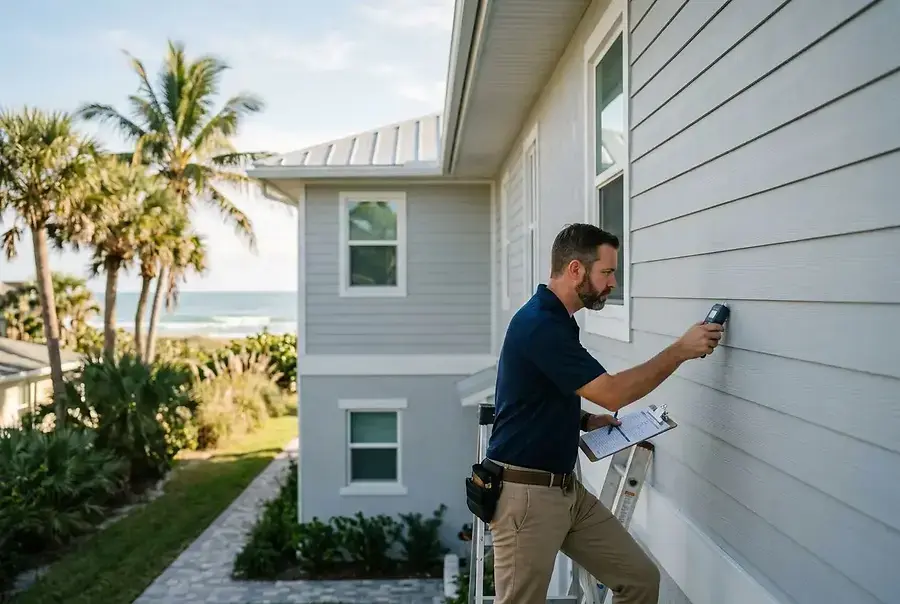
Why Home Inspections Matter in Coastal Florida
Purchasing a home is one of the most significant investments you'll make in your lifetime. In coastal Florida communities like Stuart, Port St. Lucie, and Jensen Beach, this decision becomes even more critical due to the unique environmental challenges these areas face. The combination of salt air, high humidity, intense sun exposure, and hurricane-prone weather creates specific wear and tear patterns that differ from inland properties.
A thorough home inspection serves as your first line of defense against costly surprises. It provides an objective assessment of the property's condition and helps you understand what you're truly investing in. Whether you're a first-time homebuyer or an experienced investor, understanding the inspection process is essential for making informed decisions in the Treasure Coast real estate market.
Key Areas to Evaluate During Your Home Inspection
Structural Integrity and Foundation
The foundation is the backbone of any home. In coastal Florida, inspectors pay special attention to signs of settling, cracks, or water intrusion. Look for:
- Visible cracks in the foundation or concrete slab
- Uneven floors or doors that don't close properly
- Evidence of water damage or moisture in crawl spaces
- Proper drainage systems directing water away from the foundation
Roof and Exterior Surfaces
The roof is your home's primary defense against Florida's intense weather. Given the hurricane season and salt air exposure, inspectors examine:
- Roof age and remaining lifespan
- Missing, damaged, or curling shingles
- Proper flashing around chimneys and vents
- Signs of rust or corrosion on metal components
- Adequate ventilation to prevent moisture buildup
Pro Tip: Coastal properties often require more frequent roof maintenance due to salt spray and UV exposure. Ask the inspector about the roof's hurricane-resistance rating.
Plumbing Systems
Florida's high water table and salt water intrusion concerns make plumbing inspections particularly important. Inspectors evaluate:
- Water pressure and flow rates
- Pipe material and condition (copper, PVC, or galvanized)
- Evidence of leaks or corrosion
- Proper grading and drainage around the property
- Water heater age and functionality
Electrical Systems
Electrical systems in coastal homes face unique challenges from salt air and moisture. Key inspection points include:
- Panel capacity and condition
- Proper grounding and bonding
- GFCI outlets in wet areas (kitchens, bathrooms, outdoor spaces)
- Updated wiring standards and safety compliance
- Evidence of water damage or corrosion
HVAC and Air Quality
Heating and cooling systems work overtime in Florida's climate. Inspectors check:
- System age and maintenance history
- Proper refrigerant levels
- Ductwork condition and insulation
- Air filter accessibility and condition
- Thermostat functionality
Windows, Doors, and Sealing
Proper sealing is critical in hurricane-prone areas. Inspectors examine:
- Window and door frame integrity
- Caulking and weatherstripping condition
- Hurricane shutters or impact-resistant glass
- Proper installation and operation
Understanding Inspection Reports and Red Flags
What to Expect in Your Report
A comprehensive home inspection report typically includes detailed findings organized by system and area. The report should clearly distinguish between minor maintenance items and serious structural concerns. Most inspectors use a rating system to categorize issues by severity.
Common Red Flags in Coastal Properties
Water Intrusion: This is perhaps the most common issue in coastal Florida homes. Look for water stains, mold growth, or soft spots in walls and ceilings. Water damage can lead to expensive repairs and health concerns.
Mold and Mildew: The humid coastal climate creates ideal conditions for mold growth. While some mold is normal, extensive growth indicates moisture problems that need addressing.
Rust and Corrosion: Salt air accelerates rust formation on metal components. Extensive corrosion on structural elements or major systems is a serious concern.
Outdated Systems: Older electrical panels, plumbing, or HVAC systems may not meet current safety standards or handle modern electrical demands.
Poor Drainage: Inadequate grading or drainage systems can lead to foundation problems and water intrusion. This is particularly critical in low-lying coastal areas.
When to Request Further Evaluation
If the general inspection reveals potential issues, don't hesitate to hire specialized inspectors. Consider additional inspections for:
- Mold testing and assessment
- Termite and pest inspections
- Septic system evaluation (if applicable)
- Pool or spa inspections
- Structural engineering assessment
Making Informed Decisions Before You Buy
A home inspection report is a negotiation tool. If significant issues are discovered, you have several options: request repairs before closing, ask for a credit toward repairs, renegotiate the price, or walk away from the deal. In the competitive Treasure Coast market, understanding your inspection results empowers you to make confident decisions.
Remember: No home is perfect, but understanding what you're buying allows you to budget for future maintenance and avoid costly surprises. Take time to review the inspection report thoroughly and ask your inspector questions about any concerns.
Investing in a thorough home inspection is investing in your peace of mind. Whether you're purchasing your dream home in Stuart, a vacation property in Jensen Beach, or an investment in Port St. Lucie, a professional inspection protects your financial interests and ensures you're making an informed decision about one of life's most important purchases.