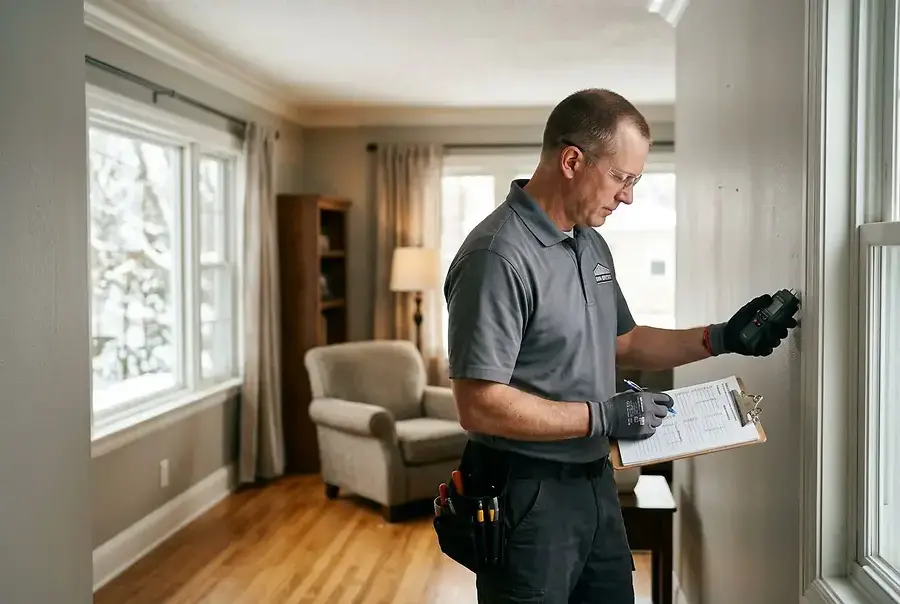
Why Professional Home Inspections Matter
Purchasing a home is one of the most significant financial decisions you'll make in your lifetime. In Minnesota and Wisconsin, where seasonal weather conditions can place significant stress on homes, a professional home inspection is not just recommended—it's essential.
Harsh winters, freeze–thaw cycles, heavy snowfall, and seasonal humidity can all affect a home's structural integrity and mechanical systems over time. A thorough inspection provides buyers with a clear understanding of a property's current condition, helping prevent costly surprises after closing.
Professional home inspectors bring years of experience and specialized knowledge to evaluate properties systematically. They identify issues that untrained eyes might miss, such as hidden moisture damage, aging systems, insulation deficiencies, or electrical safety concerns.
A professional inspection typically costs between $300 and $500, but it can potentially save buyers thousands of dollars in unexpected repairs.
Key Areas Professional Inspectors Evaluate
Structural Integrity and Foundation
The foundation is the backbone of any home. Inspectors carefully evaluate foundations for cracks, settling, and signs of water intrusion—particularly important in Minnesota and Wisconsin where freeze–thaw cycles can shift soil and cause structural movement.
Inspectors typically look for:
- Horizontal or vertical cracks in concrete or masonry
- Signs of water seepage or moisture intrusion
- Uneven settling or sloping floors
- Deterioration of mortar joints
Roofing and Exterior
Roofing systems in Minnesota and Wisconsin endure extreme weather conditions, including heavy snow loads, ice dams, and strong winds.
Inspectors evaluate the roof's condition, including shingles, flashing, gutters, and drainage systems. They also assess the roof's age and estimate its remaining lifespan, which helps buyers anticipate future replacement costs.
Exterior elements also inspected include:
- Siding condition and water resistance
- Window and door seals
- Proper grading and drainage away from the foundation
- Deck and porch structural soundness
Plumbing Systems
Water-related issues are among the most expensive home repairs. Inspectors evaluate plumbing systems by checking water pressure, inspecting pipes for leaks, and reviewing the condition of water heaters and supply lines.
In older Minnesota and Wisconsin homes, inspectors often watch for outdated galvanized piping, which can corrode internally and restrict water flow.
Electrical Systems
Electrical safety is a critical component of any inspection. Inspectors examine the electrical panel, circuit breakers, wiring, outlets, and grounding systems.
They may also identify outdated wiring systems such as knob-and-tube or aluminum wiring, which are sometimes present in older homes throughout both Minnesota and Wisconsin and may require updates for safety and insurance compliance.
HVAC Systems
Heating and cooling systems are particularly important in regions that experience both extremely cold winters and warm summers.
Inspectors assess furnace and air conditioning unit age, efficiency, and performance. They also examine ductwork for leaks or improper installation and determine whether the system is appropriately sized for the home's square footage.
Interior Conditions
Inspectors examine interior components such as walls, ceilings, and flooring for signs of water damage, mold growth, or structural concerns.
They also test doors and windows for proper operation and evaluate insulation levels—an important factor affecting energy efficiency and heating costs during long Minnesota and Wisconsin winters.
Red Flags and Structural Concerns to Understand
Water Damage and Moisture Issues
Water intrusion is one of the most common causes of long-term structural damage.
Inspectors often look for:
- Staining on ceilings or drywall
- Soft or sagging flooring
- Musty odors
- Signs of previous flooding
Basements—common in homes across Minnesota and Wisconsin—receive particular attention. Inspectors often look for efflorescence, a white mineral residue on concrete that indicates water movement through foundation walls.
Mold and Indoor Air Quality
Humidity and moisture buildup can create conditions for mold growth. While most home inspectors do not perform full mold testing, they identify visible mold or conditions that may encourage it, such as poor ventilation or water accumulation.
Hazardous or Outdated Materials
Older homes throughout Minnesota and Wisconsin may contain materials that require specialized evaluation, including:
- Lead-based paint
- Asbestos insulation or flooring
- Older building materials that no longer meet current safety standards
Inspectors identify potential hazards and recommend further testing when necessary.
Inadequate Insulation and Energy Efficiency
Proper insulation is essential in northern climates.
Inspectors evaluate attic insulation levels and identify air leaks that may increase heating costs during the winter. Poor insulation can significantly impact energy efficiency in Minnesota and Wisconsin homes.
Aging Systems Requiring Replacement
Major systems such as roofs, furnaces, and water heaters do not last forever. Even if they are functioning properly, inspectors often estimate their remaining lifespan to help buyers anticipate future maintenance costs.
Understanding these timelines allows buyers to budget appropriately and potentially negotiate repair credits or price adjustments during the purchase process.
Grading and Drainage Problems
Improper grading around the foundation can cause water to pool near the home, increasing the risk of basement flooding and structural damage.
Inspectors check whether the ground slopes away from the home and evaluate gutter and downspout systems to ensure proper water drainage.
Making Informed Decisions Before You Buy
Once you receive your inspection report, review it carefully and ask your inspector to clarify any items you do not fully understand.
Even smaller issues should not be overlooked, as minor problems can develop into more significant repairs over time.
Inspection findings can often be used as negotiation tools. If notable issues are discovered, buyers may request repairs from the seller, ask for repair credits, renegotiate the purchase price, or in some cases reconsider the purchase entirely.
Buyers may also choose to bring in specialized inspectors if additional concerns arise, such as radon testing, mold testing, or structural engineering assessments. Radon testing is especially important in many areas of Minnesota and Wisconsin where elevated radon levels are relatively common.
Finally, keeping a copy of your inspection report and documenting future repairs can be extremely valuable when maintaining your home and when preparing to sell it in the future.
A professional home inspection gives buyers the information they need to make confident, informed decisions about one of the largest investments of their lives. By understanding what inspectors evaluate and recognizing potential red flags, buyers in Minnesota and Wisconsin can better protect their investment and ensure their home is safe, stable, and ready for years of ownership.