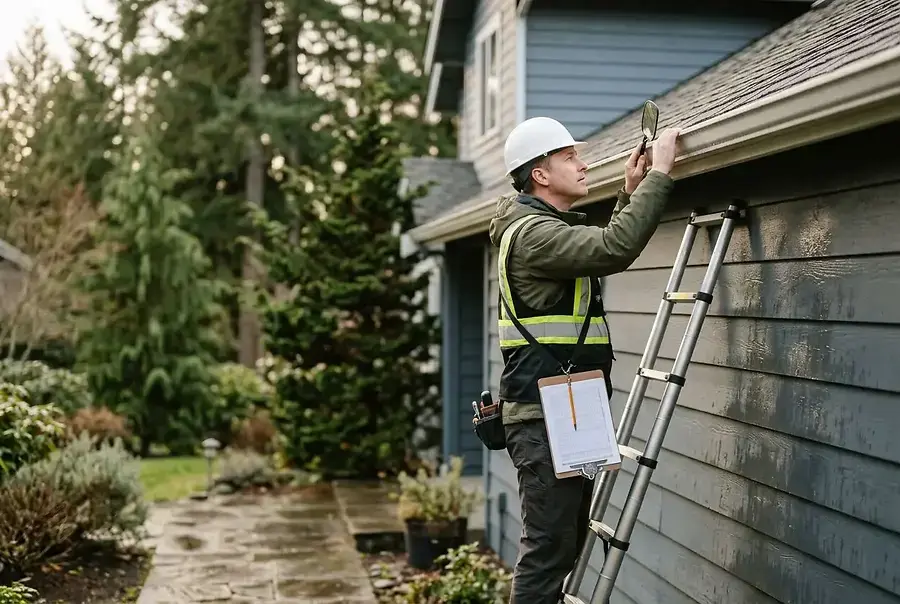
Understanding the Home Inspection Process and What Inspectors Evaluate
A professional home inspection is one of the most important steps in the home-buying process. During a typical inspection, a certified inspector will spend two to three hours examining your potential property from top to bottom. This thorough evaluation helps you understand the true condition of the home before you commit to the purchase.
What Gets Inspected
Professional inspectors evaluate multiple systems and components of your home, including:
- Structural elements: Foundation, walls, roof, and framing
- Electrical systems: Wiring, panels, outlets, and safety features
- Plumbing: Water lines, drainage, fixtures, and water heater
- HVAC systems: Heating, cooling, and ventilation equipment
- Exterior components: Siding, windows, doors, gutters, and landscaping drainage
- Interior features: Walls, ceilings, floors, and built-in appliances
- Safety systems: Smoke detectors, carbon monoxide detectors, and fire extinguishers
The inspector will document their findings in a detailed report, noting any defects, safety concerns, or areas requiring maintenance. This report becomes your roadmap for understanding the property's condition and potential future expenses.
Common Issues Found in Washington Homes and Regional Factors to Know
Washington's unique climate and geography create specific challenges for homeowners. Understanding these regional issues helps you anticipate potential problems and plan accordingly.
Moisture and Water Damage
Washington's rainy climate makes moisture management critical. Inspectors frequently find:
- Roof leaks and damaged shingles
- Water intrusion in basements and crawl spaces
- Mold growth in damp areas
- Rotting wood in siding and trim
- Clogged gutters and improper drainage
Why this matters: Water damage can lead to expensive structural repairs and health concerns. Proper drainage and regular maintenance are essential investments in Washington homes.
Foundation and Soil Issues
Washington's diverse soil composition affects foundation stability. Clay soils in some regions can shift seasonally, causing foundation movement. Inspectors look for cracks, settling, and signs of previous repairs that might indicate ongoing issues.
Older Home Considerations
Many Washington communities feature charming older homes built with outdated materials and systems. Inspectors pay special attention to:
- Outdated electrical wiring that may not meet current codes
- Plumbing with galvanized pipes prone to corrosion
- Asbestos in insulation, flooring, or roofing materials
- Lead paint in homes built before 1978
How to Review Inspection Reports and Negotiate Repairs with Sellers
Once you receive the inspection report, take time to understand it thoroughly. The report should be clear and organized, with photos and explanations of any issues found.
Reading Your Report
Focus on three categories of findings:
- Critical issues: Safety hazards or major structural problems requiring immediate attention
- Significant concerns: Items that will need repair or replacement within a few years
- Minor issues: Maintenance items or cosmetic concerns
Don't panic if the report lists multiple items. Most homes have some issues. The key is understanding which problems are serious and which are routine maintenance.
Negotiation Strategies
Armed with your inspection report, you have several options:
- Request repairs: Ask the seller to fix critical issues before closing
- Request credits: Negotiate a price reduction to cover repair costs yourself
- Request inspections: Ask for specialized inspections on specific systems (electrical, plumbing, HVAC)
- Walk away: If issues are too extensive, you may decide the property isn't right for you
Pro tip: Be reasonable in your requests. Sellers are more likely to negotiate if you focus on significant issues rather than minor cosmetic concerns. Get repair estimates from licensed contractors to support your negotiation position.
Protecting Your Investment: Next Steps After Your Home Inspection
The inspection doesn't end when you receive the report. Smart buyers take additional steps to protect their investment.
Create a Maintenance Plan
Use the inspection report to develop a long-term maintenance schedule. Address critical items immediately after closing, then prioritize other repairs based on urgency and budget. Regular maintenance prevents small issues from becoming expensive problems.
Budget for Future Repairs
Set aside funds for anticipated repairs and replacements. Items like roofs, water heaters, and HVAC systems have predictable lifespans. Knowing when these systems will need replacement helps you plan financially.
Document Everything
Keep your inspection report, all repair receipts, and maintenance records in a safe place. This documentation proves you've maintained the property and becomes valuable if you sell in the future.
Schedule Follow-Up Inspections
For homes with significant issues, consider hiring specialists to evaluate specific systems. A structural engineer can assess foundation concerns, while a certified mold inspector can evaluate moisture problems. These specialized inspections provide detailed information for planning repairs.
Stay Proactive
Don't ignore the inspection findings. Address issues promptly to prevent them from worsening. Regular maintenance, proper drainage, and timely repairs will keep your Washington home in excellent condition for years to come.
Remember: A home inspection is an investment in peace of mind. It reveals the true condition of your potential property and empowers you to make an informed decision. Whether you're buying in Seattle, Spokane, Tacoma, or any Washington community, a thorough inspection protects your financial investment and ensures you're making a sound purchase decision.