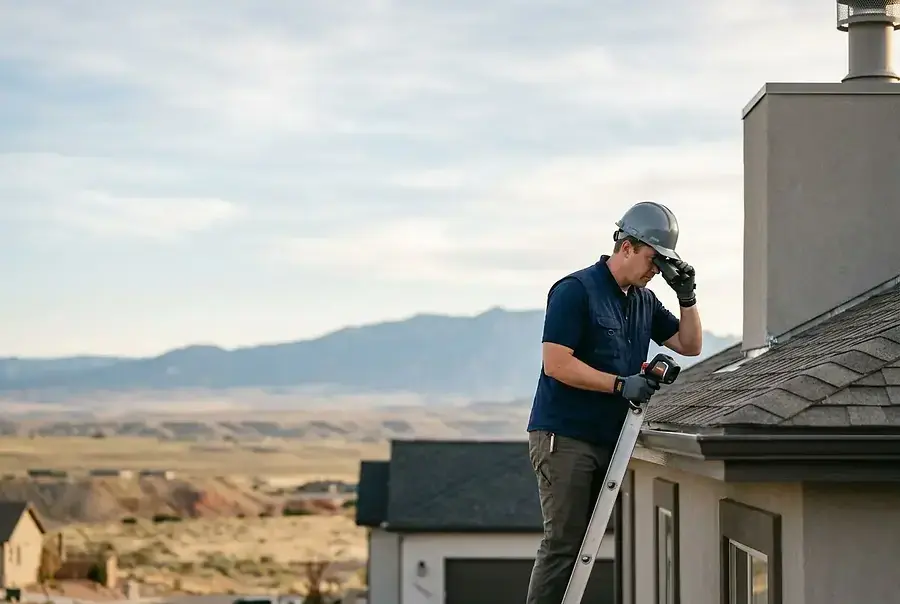
Understanding Regional Home Inspection Standards and Requirements
A home inspection is one of the most important steps in the home-buying process, serving as your first line of defense against costly surprises. However, what inspectors evaluate can vary significantly depending on where you're purchasing property. Different regions have different building codes, climate challenges, and structural concerns that affect inspection priorities.
Most states require home inspectors to be licensed and follow specific standards set by organizations like the American Society of Home Inspectors (ASHI). These standards outline what must be examined, including:
- Structural integrity and foundation conditions
- Roofing systems and materials
- Electrical and plumbing systems
- HVAC systems and heating/cooling efficiency
- Insulation and ventilation
- Windows, doors, and exterior conditions
- Interior walls, ceilings, and floors
Beyond these universal standards, regional requirements often include climate-specific evaluations. Understanding your local inspection standards helps you ask informed questions and ensures your inspector covers all necessary areas for your specific location.
Climate-Specific Issues: What to Expect in Mountain, Desert, and Plains Properties
Mountain Properties
Mountain homes face unique challenges that inspectors prioritize heavily. Snow load capacity is critical—roofs must withstand heavy winter snow accumulation. Inspectors examine roof pitch, structural support, and drainage systems carefully. Water intrusion is another major concern, as melting snow and heavy precipitation can damage foundations and basements.
Additionally, mountain properties often experience:
- Foundation settling due to steep terrain and soil movement
- Chimney and fireplace issues from frequent use
- Deck and exterior structure deterioration from weather exposure
- Septic system complications in areas without municipal sewage
Desert Properties
Desert homes present entirely different inspection concerns. Extreme heat and UV exposure cause rapid material degradation. Inspectors focus on:
- Roof condition and reflective coating integrity
- HVAC system capacity and efficiency for intense cooling demands
- Foundation cracks from soil expansion and contraction
- Exterior paint and sealant deterioration
- Pool and water feature systems if present
Water damage might seem unlikely in deserts, but flash flooding during monsoon seasons can cause significant problems. Inspectors check drainage systems and grading around the property carefully.
Plains Properties
Plains homes must withstand severe weather including high winds, hail, and temperature extremes. Inspectors prioritize:
- Wind damage to roofing and siding
- Hail impact on roof shingles and exterior surfaces
- Foundation stability in areas prone to soil movement
- Basement waterproofing and sump pump functionality
- Storm shelter or safe room conditions if present
Identifying Red Flags and Negotiating Repairs Before Closing
Common Red Flags Across All Regions
Certain issues appear in inspection reports regardless of location. Foundation problems are serious—look for cracks wider than 1/4 inch, bowing walls, or uneven floors. Roof issues including missing shingles, sagging, or approaching the end of its lifespan require immediate attention.
Other critical red flags include:
- Outdated or faulty electrical systems (knob-and-tube wiring, insufficient grounding)
- Plumbing problems (galvanized pipes, active leaks, poor water pressure)
- Mold or water damage indicating moisture control issues
- HVAC systems nearing end of life without recent maintenance
- Pest infestation evidence or termite damage
Negotiating Repairs and Credits
Once you receive your inspection report, you have options. Request repairs from the seller for major issues—most sellers expect this. Alternatively, ask for repair credits allowing you to hire contractors yourself, which often costs less than seller-arranged repairs.
Prioritize negotiations on items that affect safety, structural integrity, or systems requiring replacement. Minor cosmetic issues are typically not worth negotiating. Be reasonable in your requests; sellers may walk away if demands seem excessive.
"A thorough home inspection is an investment in peace of mind. The cost of an inspection is minimal compared to discovering major problems after closing."
Choosing the Right Inspector and Interpreting Your Inspection Report
Selecting a Qualified Inspector
Not all inspectors are equally qualified. Verify licensing in your state—requirements vary, but most states mandate specific training and certification. Ask about:
- Years of experience and specialization in your region
- Professional certifications (ASHI, NAHI, or state-specific credentials)
- Insurance and bonding
- References from recent clients
- Familiarity with regional climate challenges
Avoid inspectors recommended solely by real estate agents, as conflicts of interest may exist. Instead, research independently and choose someone with strong local reputation and regional expertise.
Understanding Your Inspection Report
Inspection reports typically categorize findings as:
- Safety Issues: Immediate concerns requiring urgent attention
- Major Repairs: Significant problems affecting home value or function
- Minor Repairs: Small issues that don't significantly impact livability
- Maintenance Recommendations: Preventive care suggestions
Don't panic if your report lists numerous items—most homes have some issues. Focus on understanding severity levels and getting clarification on anything unclear. Ask your inspector to explain findings in detail, especially regarding regional concerns specific to your area.
A comprehensive home inspection protects your investment by revealing property conditions before you commit financially. By understanding regional standards, recognizing climate-specific issues, and choosing qualified inspectors, you'll make informed decisions and avoid costly surprises after closing.