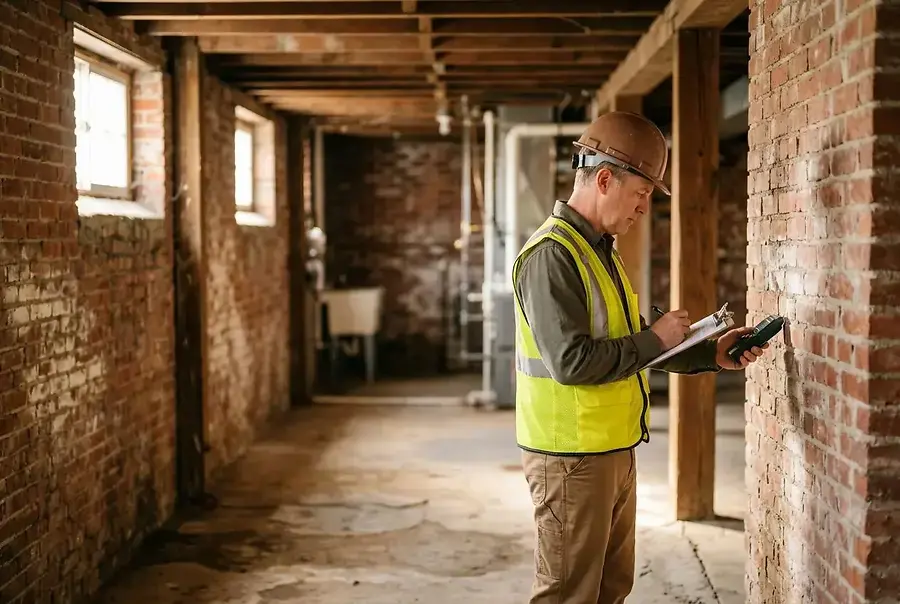
Why Home Inspections Matter for Cincinnati Properties
Purchasing a home is one of the most significant financial decisions you'll make in your lifetime. In Cincinnati, where many properties feature unique architectural styles and varying ages, a professional home inspection is not just recommended—it's essential. A thorough inspection provides you with a comprehensive understanding of your potential property's condition before you commit to the purchase.
Home inspections serve as your protection against unexpected and costly repairs after closing. They uncover hidden issues that might not be visible during a casual walkthrough, from structural problems to electrical hazards. For Cincinnati buyers, understanding what inspectors look for can mean the difference between a sound investment and a financial burden.
Key Areas Inspectors Evaluate in Older Cincinnati Homes
Foundation and Structural Integrity
Cincinnati's older homes often sit on foundations that have settled over decades. Inspectors carefully examine foundations for cracks, water damage, and signs of shifting. Foundation issues are among the most expensive repairs, making this evaluation critical. Look for horizontal cracks, which are more serious than vertical ones, and any evidence of water intrusion in basements or crawl spaces.
Roofing and Exterior
The roof is your home's first line of defense against the elements. Inspectors assess:
- Shingle condition and remaining lifespan
- Flashing around chimneys and vents
- Gutter systems and drainage
- Exterior walls for rot, damage, or deterioration
- Windows and doors for proper sealing
Cincinnati's weather patterns, including heavy rains and temperature fluctuations, can accelerate roof deterioration. A roof replacement can cost thousands of dollars, so understanding its current condition is vital.
Plumbing Systems
Older Cincinnati homes may have outdated plumbing materials like galvanized pipes or cast iron, which are prone to corrosion and leaks. Inspectors check:
- Water pressure and flow rates
- Pipe materials and condition
- Drain functionality
- Water heater age and operation
- Signs of leaks or water damage
Plumbing issues can lead to water damage and mold growth, making this inspection area particularly important.
Electrical Systems
Electrical safety is paramount. Inspectors evaluate:
- Panel condition and capacity
- Wiring type and condition
- Outlet and switch functionality
- Grounding and bonding
- Presence of outdated or hazardous components
Outdated electrical systems pose fire hazards and may not support modern appliances. This is a safety issue that shouldn't be overlooked.
HVAC Systems
Heating and cooling systems are essential for comfort and can be expensive to replace. Inspectors assess the age, condition, and efficiency of furnaces, air conditioners, and ductwork. They'll note whether systems are functioning properly and estimate remaining lifespan.
Insulation and Ventilation
Proper insulation and ventilation affect energy efficiency and prevent moisture problems. Inspectors check attic insulation levels, ventilation adequacy, and signs of moisture or mold growth.
Understanding Your Inspection Report and Negotiating Repairs
Decoding the Report
A professional inspection report is detailed and comprehensive. It categorizes findings into:
- Critical Issues: Problems that pose safety risks or require immediate attention
- Major Issues: Significant repairs needed within a reasonable timeframe
- Minor Issues: Small repairs or maintenance items
- Recommendations: Suggested improvements or further evaluation
Take time to understand each finding. Don't hesitate to ask your inspector questions about anything unclear. Knowledge is power when it comes to negotiation.
Negotiation Strategies
Once you have the inspection report, you have several options:
- Request repairs: Ask the seller to fix critical and major issues before closing
- Request credits: Negotiate a reduction in the purchase price to cover repairs yourself
- Request inspections: Ask for specialized inspections on specific systems (electrical, plumbing, etc.)
- Walk away: If issues are too extensive, you may choose to withdraw from the purchase
Be strategic in your negotiations. Focus on critical safety issues and major structural problems rather than cosmetic concerns. Sellers are more likely to agree to repairs that affect the home's integrity and safety.
Getting Second Opinions
For significant issues, consider hiring specialists. A structural engineer can evaluate foundation concerns, and a licensed electrician can assess electrical systems. These additional inspections provide leverage in negotiations and peace of mind.
Taking Action on Inspection Findings
After your inspection and negotiations, create an action plan. Prioritize repairs based on safety and structural importance. Document everything in writing, including agreed-upon repairs and timelines.
Before closing, request a final walkthrough to verify that negotiated repairs have been completed to your satisfaction. This is your last opportunity to ensure the home meets agreed-upon conditions.
"A home inspection is an investment in your peace of mind and financial security. Don't skip this critical step in your Cincinnati home purchase."
Home inspections are your safeguard in the real estate transaction. By understanding what inspectors evaluate, how to read reports, and how to negotiate effectively, Cincinnati buyers can make informed decisions and protect their investments. Take the inspection process seriously, ask questions, and don't hesitate to seek professional advice when needed. Your future home—and your wallet—will thank you.