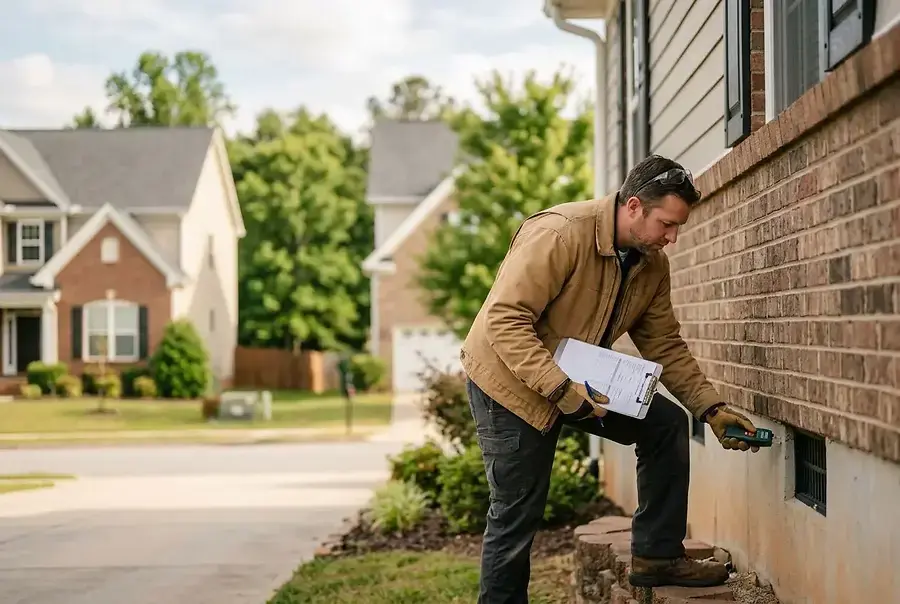
Why Home Inspections Matter in Greer Real Estate
Purchasing a home is one of the most significant financial decisions you'll make. In Greer, where the real estate market is competitive and homes vary widely in age and condition, a professional home inspection is not just recommended—it's essential. A thorough inspection provides you with a comprehensive understanding of your potential property's condition, helping you make informed decisions and avoid costly surprises after closing.
Home inspections serve as your protection against hidden defects, structural issues, and systems that may fail shortly after purchase. They give you leverage in negotiations and peace of mind knowing exactly what you're investing in.
Key Areas Inspectors Evaluate in Greer Homes
Foundation and Structural Integrity
The foundation is the backbone of any home. Inspectors examine the foundation for cracks, settling, and water damage—issues that are particularly important in Greer's climate. They look for signs of foundation movement, which can indicate serious structural problems requiring expensive repairs.
Roofing and Exterior
Your roof protects everything beneath it. Inspectors assess:
- Roof age and remaining lifespan
- Missing or damaged shingles
- Proper drainage and gutters
- Flashing around chimneys and vents
- Exterior walls for damage and deterioration
In Greer, where weather can be unpredictable, a well-maintained roof is crucial for long-term home protection.
Plumbing Systems
Inspectors evaluate water pressure, drainage, and the condition of pipes throughout the home. They check for:
- Leaks and water damage
- Outdated or corroded pipes
- Water heater condition and age
- Proper grading to prevent water pooling
Plumbing issues can be expensive, making this inspection area particularly important.
Electrical Systems
A safe electrical system is non-negotiable. Inspectors examine:
- The main electrical panel and breakers
- Wiring condition and safety
- Outlet and switch functionality
- Grounding and bonding
- Compliance with current electrical codes
Outdated or faulty electrical systems pose fire hazards and may require costly upgrades.
HVAC Systems
Heating, ventilation, and air conditioning systems are vital in Greer's climate. Inspectors assess the age, condition, and efficiency of furnaces, air conditioners, and ventilation systems. They verify that systems are functioning properly and estimate remaining lifespan.
Interior Conditions
Inspectors examine walls, ceilings, floors, and doors for damage, moisture, and structural issues. They look for signs of:
- Water damage and mold
- Pest infestations
- Insulation quality
- Window and door functionality
Red Flags to Watch for During Your Inspection
Water Damage and Moisture Issues
Water damage is one of the most serious red flags. Look for stains on ceilings, walls, or floors, musty odors, or soft spots in wood. These indicate current or past water intrusion, which can lead to mold growth and structural damage. In Greer homes, moisture problems can develop quickly and become expensive to remediate.
Foundation Cracks and Settlement
While minor cracks are common, significant cracks or patterns of cracking warrant concern. Horizontal cracks, cracks wider than 1/4 inch, or cracks that are growing suggest structural movement. This is a major red flag that requires professional structural evaluation.
Outdated or Unsafe Electrical Systems
Knob-and-tube wiring, aluminum wiring, or an overloaded electrical panel are serious safety concerns. Many insurance companies won't cover homes with these systems, and they pose fire risks. Budget for upgrades if these issues are present.
Roof Problems
A roof nearing the end of its lifespan is a significant expense. Look for:
- Sagging or uneven roof lines
- Multiple layers of shingles (indicating previous repairs)
- Extensive missing or curled shingles
- Visible rot or deterioration
Roof replacement can cost $10,000 or more, making this a critical negotiation point.
HVAC System Failures
If the heating or cooling system is old, failing, or requires immediate replacement, this is a substantial expense. Ask about the age and condition of these systems during your inspection.
Pest Infestations
Signs of termites, rodents, or other pests indicate potential structural damage and ongoing problems. Pest treatment and damage repair can be costly and time-consuming.
Mold Growth
Any visible mold is a red flag. Mold indicates moisture problems and poses health risks. Professional remediation may be necessary, and the underlying moisture issue must be addressed.
Using Inspection Results to Negotiate and Protect Your Investment
Once you receive your inspection report, you have several options:
- Request repairs: Ask the seller to fix significant issues before closing.
- Negotiate credits: Request a credit toward closing costs to handle repairs yourself.
- Renegotiate price: Use inspection findings to justify a lower offer price.
- Walk away: If issues are too severe or costly, you have the right to withdraw your offer.
Don't ignore inspection findings. Even minor issues can compound over time. Use the inspection report as a tool to understand your future maintenance needs and budget accordingly.
A professional home inspection is an investment in your peace of mind and financial security. In Greer's real estate market, it's the smart move that protects your most valuable asset. Take the inspection seriously, ask questions, and use the results to make the best decision for your family and your future.
