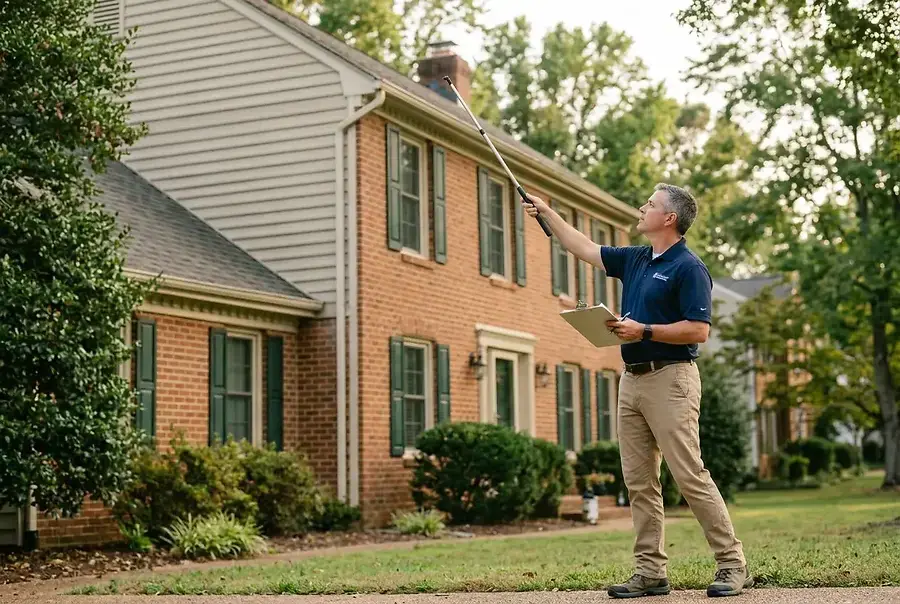
Understanding the Home Inspection Process and Timeline
A home inspection is one of the most critical steps in the home-buying process. For Fredericksburg buyers, scheduling an inspection typically occurs after an offer is accepted but before the final closing. This inspection period usually lasts 7-10 days, giving you adequate time to review the inspector's findings and decide on your next steps.
During the inspection, a certified home inspector will spend 2-4 hours thoroughly examining the property. It's highly recommended that you attend the inspection in person, as this allows you to ask questions directly and gain a deeper understanding of the home's condition. The inspector will document their findings in a detailed report, which becomes your roadmap for negotiations and decision-making.
What to Expect During Your Inspection
The inspection process is non-invasive and systematic. Inspectors will examine both the interior and exterior of the property, checking everything from the foundation to the roof. They'll test systems, open cabinets, and look for signs of damage or wear. Most inspections are straightforward and uneventful, but they're essential for identifying potential issues before they become your financial responsibility.
Key Areas Inspectors Evaluate in Fredericksburg Properties
Structural Components
Inspectors begin by assessing the home's foundation, framing, and overall structural integrity. In Fredericksburg, where many homes have been built over several decades, inspectors pay special attention to:
- Foundation cracks or settling issues
- Water damage or moisture intrusion
- Roof condition and remaining lifespan
- Exterior walls and siding integrity
Mechanical Systems
HVAC systems, plumbing, and electrical systems are critical components that inspectors evaluate thoroughly. They'll test heating and cooling systems, check water pressure, inspect for leaks, and verify that electrical systems meet current safety standards. These systems are expensive to repair or replace, making their evaluation particularly important.
Interior Features and Appliances
Inspectors examine doors, windows, flooring, and built-in appliances. They'll check for proper operation, signs of damage, and any safety concerns. While cosmetic issues aren't typically a major concern, functional problems with windows or doors may indicate larger issues like settling or water damage.
Common Issues Found in Fredericksburg Homes and Solutions
Water Damage and Moisture Issues
Given Fredericksburg's climate and the age of many local properties, water damage is one of the most frequently identified issues. Basement moisture, roof leaks, and poor drainage are common culprits. Solutions range from simple gutter cleaning to more involved foundation repairs or waterproofing projects.
Aging HVAC and Plumbing Systems
Older homes in Fredericksburg often have heating and cooling systems nearing the end of their lifespan. Similarly, outdated plumbing with galvanized pipes or polybutylene plumbing may require replacement. Budget for potential system upgrades, as these can be significant expenses.
Roof and Exterior Concerns
Roof age and condition are critical factors. Most roofs last 15-25 years, and inspectors will assess remaining life expectancy. Additionally, issues with siding, gutters, and exterior caulking are common in Fredericksburg properties and should be addressed promptly to prevent further damage.
Electrical System Updates
Some older Fredericksburg homes may have outdated electrical panels or insufficient capacity for modern electrical demands. Inspectors will note any safety concerns, such as aluminum wiring or improper grounding, which may require professional remediation.
Pro Tip: Don't panic if your inspection report identifies issues. Most homes have some problems—it's the severity and cost of repairs that matter most in your decision-making process.
Using Inspection Reports to Negotiate and Close Successfully
Reviewing Your Inspection Report
Once you receive the inspection report, take time to review it carefully. Reports typically categorize findings by severity: major issues, minor issues, and recommendations for future maintenance. Focus on major issues first, as these will have the greatest impact on your decision and negotiating position.
Negotiation Strategies
Armed with your inspection report, you have several options:
- Request repairs: Ask the seller to fix major issues before closing
- Request credits: Negotiate a reduction in the purchase price to cover repair costs
- Request inspections: Ask for specialized inspections (pest, radon, mold) for specific concerns
- Walk away: If issues are too severe or costly, you may have grounds to terminate the contract
Making Your Final Decision
Consider the overall condition of the home and the costs associated with identified issues. Get estimates from contractors for major repairs to understand the true financial impact. Compare these costs against the home's value and your budget. Remember, no home is perfect, but you should feel confident in your purchase decision.
Closing with Confidence
Once you've addressed inspection concerns through negotiation or accepted the home's condition, you can move forward to closing with greater confidence. The inspection process has given you valuable information about your investment, allowing you to make an informed decision rather than a blind one.
Final Thought: A thorough home inspection is an investment in your peace of mind. By understanding the process, knowing what inspectors evaluate, and using the inspection report strategically, Fredericksburg buyers can navigate the purchase process successfully and avoid costly surprises down the road.