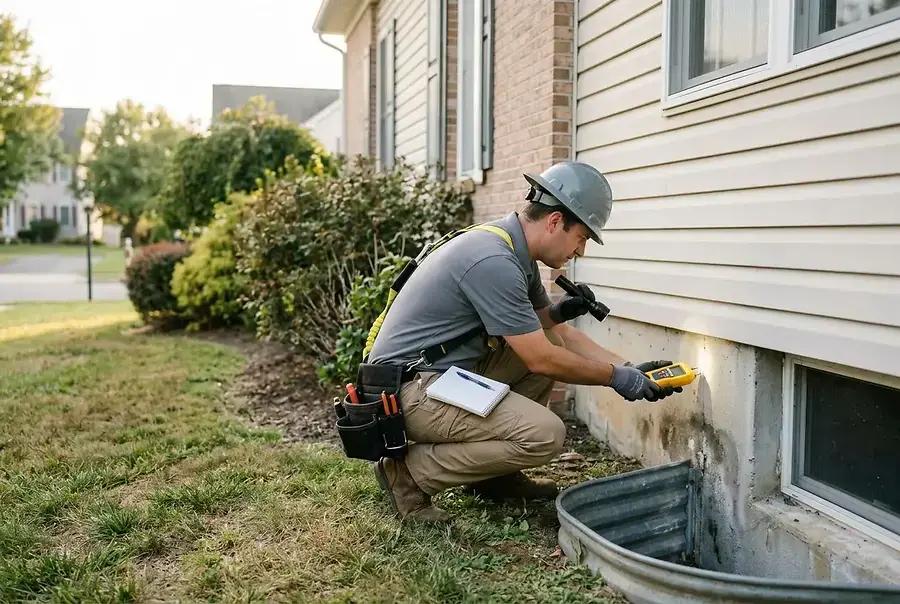
What Every Home Inspector Examines: Key Areas Residential Buyers Should Understand
A professional home inspection is one of the most important steps in the residential buying process. Understanding what inspectors examine helps you make informed decisions and protects your investment. Here are the critical areas every qualified inspector will evaluate:
Structural Components
Inspectors thoroughly examine the foundation, walls, and roof structure. They look for cracks, settling, water damage, and signs of structural movement. The foundation is particularly crucial—any significant issues here can be extremely costly to repair.
Roofing and Exterior
Your roof is your home's first line of defense against the elements. Inspectors assess shingle condition, flashing, gutters, and drainage systems. They also examine siding, windows, doors, and exterior caulking for water intrusion risks.
Plumbing Systems
A comprehensive plumbing inspection includes checking water pressure, drainage, pipe materials, and water heater condition. Inspectors test fixtures and look for leaks, corrosion, and outdated materials that may need replacement.
Electrical Systems
Electrical safety is paramount. Inspectors examine the panel, wiring, outlets, and switches. They verify that the system meets current code requirements and identify any potential hazards or outdated components.
HVAC Systems
Heating, ventilation, and air conditioning systems are evaluated for age, condition, and functionality. Inspectors check filters, thermostats, and overall efficiency to estimate remaining lifespan.
Interior Conditions
Inspectors examine walls, ceilings, floors, and insulation. They look for water stains, mold, pest damage, and structural integrity issues throughout the home's interior.
Regional Considerations: How Delaware's Climate and Soil Conditions Affect Home Inspections
Delaware's unique geographic location creates specific inspection considerations that buyers and sellers must understand. The state's climate and soil composition directly impact home durability and maintenance needs.
Moisture and Humidity Challenges
Delaware's proximity to the Atlantic Ocean and its humid subtropical climate mean moisture is a constant concern. Inspectors pay special attention to:
- Basement and crawlspace moisture intrusion
- Mold and mildew growth in attics and bathrooms
- Wood rot in exterior structures and decking
- Proper drainage around foundations
Soil and Foundation Issues
Delaware's sandy and clay-based soils can shift and settle differently than other regions. Inspectors look for foundation cracks, uneven settling, and drainage problems that are common in Delaware's soil composition. Proper grading and drainage systems are essential for long-term home stability.
Coastal and Near-Coastal Properties
Homes near Delaware's coast face additional challenges including salt spray corrosion, higher wind loads, and flood risks. Inspectors examine metal components for corrosion, roof fastening for wind resistance, and elevation relative to flood zones.
Seasonal Weather Impacts
Delaware experiences significant seasonal changes. Inspectors assess how homes handle freeze-thaw cycles, heavy rainfall, and occasional severe weather. Proper insulation, ventilation, and weatherproofing are critical in this climate.
Red Flags and Deal-Breakers: Identifying Issues That Impact Your Delaware Home Purchase
While some inspection findings are minor and easily addressed, others represent serious concerns that could affect your decision to purchase. Understanding these red flags is essential:
Major Structural Problems
Foundation cracks, severe settling, or bowing walls are serious issues. These problems are expensive to repair and may indicate ongoing structural movement. Have a structural engineer evaluate any significant findings before proceeding.
Extensive Water Damage and Mold
Water damage in basements, crawlspaces, or attics suggests ongoing moisture problems. Active mold growth is a health concern and indicates the moisture issue hasn't been resolved. Remediation can be costly and complex.
Outdated or Hazardous Systems
Homes with knob-and-tube wiring, asbestos insulation, or lead paint present health and safety risks. Updating these systems requires professional remediation and significant expense. Many insurance companies won't cover homes with these hazards.
Roof Condition
A roof nearing the end of its lifespan is a major expense. If the inspector notes the roof has only a few years remaining, factor replacement costs into your offer. This is particularly important in Delaware's weather conditions.
Plumbing and Electrical Deficiencies
Outdated plumbing materials, inadequate water pressure, or electrical systems that don't meet current code requirements are serious concerns. These systems are expensive to upgrade and essential for home safety and functionality.
Pest Infestation
Evidence of termites, carpenter ants, or other destructive pests requires professional treatment. Structural damage from pest activity can be extensive and expensive to repair.
Moving Forward: Using Inspection Results to Negotiate and Secure Your Best Deal
Once you have the inspection report, you're in a stronger position to negotiate. Here's how to use these results effectively:
Request Repairs or Credits
For significant issues, request that the seller make repairs before closing. Alternatively, ask for a credit toward closing costs to address problems yourself. Get written estimates from contractors for major repairs to support your negotiation requests.
Prioritize Your Concerns
Not every inspection finding requires action. Focus on items that affect safety, functionality, or long-term value. Minor cosmetic issues or deferred maintenance may be acceptable depending on your situation.
Conduct a Final Walk-Through
Before closing, verify that any agreed-upon repairs have been completed satisfactorily. This protects you from surprises after you've taken ownership.
Plan Your Maintenance Strategy
Use the inspection report to develop a maintenance plan. Address items that will deteriorate quickly, and budget for upcoming replacements like roofing or HVAC systems. Regular maintenance extends the life of your home's systems and prevents costly emergency repairs.
Consider a Home Warranty
A home warranty can provide peace of mind for major systems and appliances. Review coverage options carefully to understand what's included and what your responsibilities are.
A thorough home inspection is your best defense against costly surprises in Delaware's residential market. By understanding what inspectors examine, considering regional factors, recognizing red flags, and using results strategically, you'll make a confident, informed decision about your home purchase or sale.