Understanding Home Inspection Reports: What Buyers Need to Know
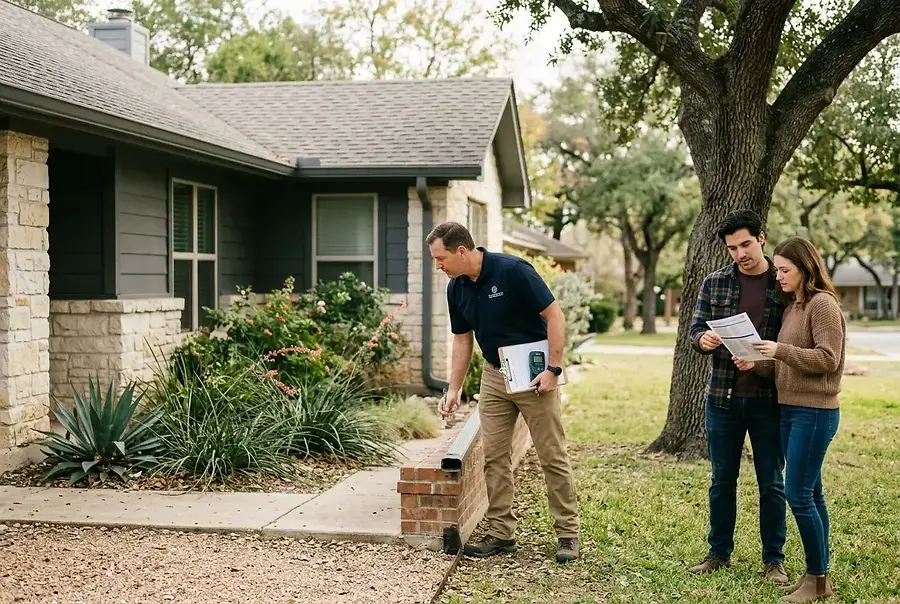
A home inspection report is one of the most critical documents you'll receive during the home buying process. This comprehensive evaluation provides a detailed assessment of your potential property's condition, from the foundation to the roof. Understanding what these reports contain and how to interpret them is essential for making informed decisions in the competitive Buda and Austin real estate market.
Home inspection reports typically include sections covering structural integrity, electrical systems, plumbing, HVAC systems, roofing, and appliances. Each section details the current condition of components and identifies any defects or areas of concern. Reports often categorize issues by severity—from minor cosmetic problems to major structural concerns that could affect your safety or the property's value.
Key Components of a Professional Inspection Report
Professional inspectors provide detailed documentation that includes photographs, descriptions of issues, and recommendations for repairs or further evaluation. Pay close attention to items marked as "safety concerns" or "major repairs needed," as these will likely become negotiation points with the seller. Understanding the difference between cosmetic issues and functional problems will help you prioritize which items to address during negotiations.
Don't hesitate to ask your inspector questions about specific findings. A reputable inspector will explain technical issues in understandable terms and provide context about the urgency and cost of repairs. This knowledge empowers you to make strategic decisions about which issues warrant negotiation.
Common Issues Found in Buda and Austin Homes and Negotiation Strategies
Central Texas homes face unique challenges due to the region's climate, soil composition, and construction practices. Understanding these common issues helps you anticipate problems and negotiate effectively.
Foundation and Structural Concerns
The expansive clay soil common in the Austin and Buda areas frequently causes foundation issues. Cracks, settling, and water intrusion are among the most common findings. When negotiating foundation repairs:
- Request a structural engineer's assessment for significant cracks
- Ask the seller for documentation of previous repairs or monitoring
- Obtain repair estimates from multiple contractors
- Consider requesting a credit toward repairs rather than seller completion
Roof and Weather-Related Damage
Severe weather is common in Central Texas, making roof condition a critical inspection item. If your inspection reveals roof damage, prioritize this negotiation point since roof repairs are expensive and affect the entire home's integrity. Request the seller provide proof of recent roof inspections or maintenance records.
HVAC and Electrical Systems
Aging HVAC systems and outdated electrical panels frequently appear in inspection reports. These systems are essential for comfort and safety. When negotiating:
- Get repair or replacement quotes from licensed professionals
- Ask about the age and maintenance history of systems
- Consider whether repairs can wait or require immediate attention
- Negotiate credits for systems nearing the end of their lifespan
Water Intrusion and Moisture Issues
Water damage is particularly concerning in Texas homes. Look for signs of past or present water intrusion in basements, attics, and crawl spaces. Mold growth and moisture problems require immediate attention and should be a priority in negotiations.
Working with Inspectors and Sellers to Reach Fair Agreements
Successful negotiation begins with clear communication and realistic expectations. Your inspector, real estate agent, and the seller's agent all play important roles in reaching a fair agreement.
Leveraging Inspector Expertise
Your home inspector is a valuable resource beyond the initial report. Many inspectors are willing to clarify findings or provide additional documentation that supports your negotiation position. Some sellers may request a re-inspection by their own inspector, which is a reasonable request that can help both parties reach agreement on issue severity.
Developing a Strategic Negotiation Approach
Prioritize inspection findings into three categories: must-fix items (safety and structural concerns), should-fix items (systems affecting livability), and nice-to-fix items (cosmetic or minor issues). Focus your negotiation efforts on the first two categories. This approach demonstrates reasonableness to the seller and increases the likelihood of reaching agreement.
When presenting repair requests, provide documentation including inspection photos, contractor estimates, and professional recommendations. Sellers are more likely to respond positively to specific, well-documented requests than vague concerns.
Understanding Negotiation Options
You have several options when addressing inspection findings:
- Request seller repairs: The seller completes repairs before closing
- Request repair credits: The seller provides funds at closing for you to complete repairs
- Request price reduction: The purchase price is reduced to account for repair costs
- Accept as-is: You proceed without requesting repairs or credits
Each option has advantages and disadvantages. Repair credits give you control over contractor selection, while seller repairs provide certainty that work meets your standards. In the competitive Austin and Buda market, sellers may prefer credits or price reductions over completing repairs themselves.
Protecting Your Purchase: Final Steps After Inspection Negotiations
Once you've negotiated inspection findings, several important steps remain to protect your investment.
Documenting Agreed-Upon Repairs
Ensure all negotiated repairs and credits are clearly documented in your purchase agreement addendum. Vague language can lead to disputes at closing. Specify exactly which items will be repaired, who will complete the work, and what timeline applies. If the seller is completing repairs, request a final walk-through inspection before closing to verify work completion.
Obtaining Warranties and Documentation
For any repairs completed by the seller, request copies of work orders, warranties, and contractor information. This documentation protects you if issues arise after closing. For major repairs, verify that licensed contractors completed the work and that appropriate permits were obtained.
Conducting a Final Walk-Through
Your final walk-through inspection is crucial. Verify that all negotiated repairs have been completed satisfactorily and that the home's condition matches what was agreed upon. Check that agreed-upon credits have been properly applied at closing. This final verification ensures you're protected before signing final documents.
By understanding inspection reports, strategically negotiating findings, and protecting yourself through documentation and final verification, you can confidently navigate the home buying process in the Buda and Austin market. A well-executed inspection negotiation protects your investment and ensures you're getting fair value for your purchase.