Why Home Inspection Results Impact Your Bottom Line
Purchasing a home is one of the most significant financial decisions you'll make in your lifetime. While many buyers focus on location, aesthetics, and price negotiations, the home inspection report often reveals hidden costs that can dramatically impact your investment. Understanding which inspection findings typically lead to major expenses allows you to make informed decisions and avoid costly surprises after closing.
A professional home inspection examines the property's structural integrity, mechanical systems, and overall condition. The results can uncover issues ranging from minor cosmetic problems to serious defects requiring tens of thousands of dollars in repairs. By knowing which red flags signal the most expensive repairs, you can budget accordingly, negotiate better terms, or walk away from problematic properties.
Structural and Foundation Problems: The Costliest Issues to Address
Foundation Cracks and Settling
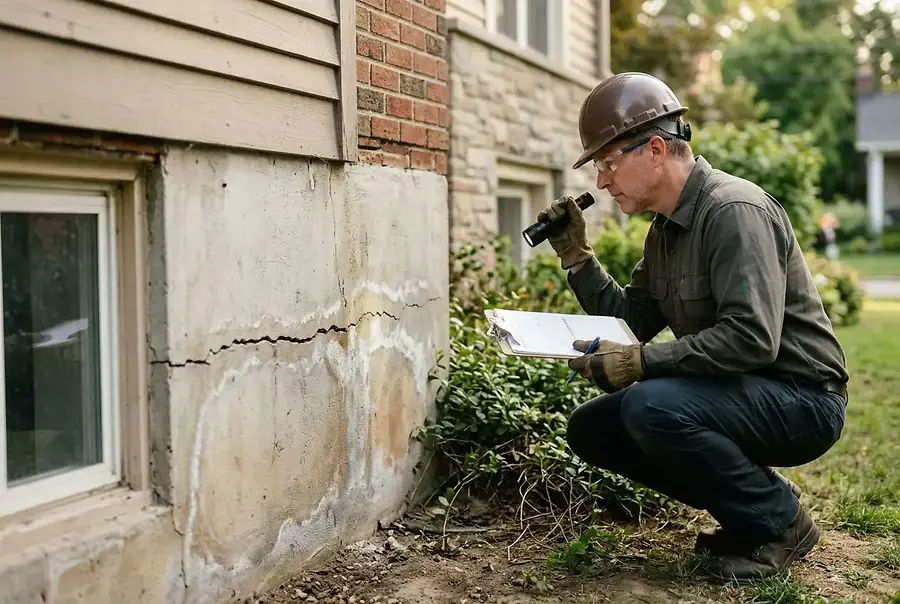
Foundation issues represent some of the most expensive problems a home inspector can discover. Cracks in the foundation, whether horizontal, vertical, or stair-step patterns, can indicate serious structural movement. While minor hairline cracks are often cosmetic, larger cracks may signal foundation settling or water infiltration that requires professional repair.
Foundation repairs typically range from $5,000 to $25,000 or more, depending on the severity and repair method. Common solutions include:
- Epoxy or polyurethane injections for small cracks
- Underpinning or piering for significant settling
- Waterproofing and drainage improvements
- Complete foundation replacement in extreme cases
Roof Damage and Deterioration
The roof is your home's first line of defense against the elements. Inspectors look for missing shingles, curling, granule loss, sagging, and signs of water damage. A roof nearing the end of its lifespan or showing significant damage can cost $8,000 to $20,000 or more to replace, depending on size and materials.
Don't overlook roof condition—water damage from a failing roof can compromise structural integrity, insulation, and interior spaces, multiplying repair costs exponentially.
Water Damage and Mold
Water intrusion is a red flag that demands immediate attention. Evidence of past or present water damage, whether from leaks, flooding, or poor drainage, can lead to mold growth and structural decay. Remediation costs vary widely based on extent, but comprehensive mold removal and water damage repair can easily exceed $10,000.
Mechanical Systems: HVAC, Plumbing, and Electrical Repairs That Drain Your Budget
HVAC System Failures
Heating, ventilation, and air conditioning systems are critical for comfort and home value. Inspectors evaluate furnace and air conditioning unit age, functionality, and efficiency. A failing or outdated HVAC system can cost $5,000 to $15,000 to replace, with high-efficiency models at the premium end.
Key concerns include:
- Units over 15-20 years old approaching end of life
- Refrigerant leaks or compressor failures
- Inadequate capacity for the home's square footage
- Poor ductwork condition or design
Plumbing Issues and Water Quality
Plumbing problems can range from minor leaks to major system failures. Inspectors check for corroded pipes, inadequate water pressure, outdated materials, and signs of leaks. Older homes with galvanized or polybutylene pipes may require complete repiping, costing $8,000 to $25,000 depending on the home's size and complexity.
Additional plumbing red flags include:
- Sewer line damage or blockages requiring excavation and repair
- Water heater failure or inadequate capacity
- Septic system issues in homes without municipal sewage
- Slow drains indicating buildup or deterioration
Electrical System Deficiencies
Electrical problems pose safety risks and can be expensive to remedy. Inspectors look for outdated panels, insufficient capacity, faulty wiring, and code violations. Homes with aluminum wiring, knob-and-tube wiring, or undersized panels may require significant upgrades costing $3,000 to $15,000 or more.
Critical electrical concerns include:
- Outdated electrical panels unable to handle modern power demands
- Lack of ground fault circuit interrupters (GFCIs) in wet areas
- Improper grounding or bonding
- Fire hazards from deteriorated wiring or overloaded circuits
Using Inspection Reports to Make Confident Offers
A thorough home inspection report is your roadmap to understanding a property's true condition and costs. Rather than viewing inspection findings as deal-breakers, use them as negotiation tools and budget planning resources.
Consider these strategies:
- Request repair estimates: Ask the seller for quotes on major issues or obtain your own estimates to understand true costs.
- Negotiate repairs or credits: Request the seller fix critical issues before closing or provide credits toward repairs you'll handle.
- Budget for contingencies: Set aside 5-10% of the purchase price for unexpected repairs discovered after purchase.
- Prioritize issues: Address safety-critical problems (electrical, structural, plumbing) before cosmetic upgrades.
- Get professional opinions: For major findings, hire specialists to confirm severity and provide detailed repair estimates.
Understanding home inspection red flags empowers you to make informed decisions and protect your investment. By recognizing which issues carry the highest price tags and planning accordingly, you'll navigate the home-buying process with confidence and financial clarity.
