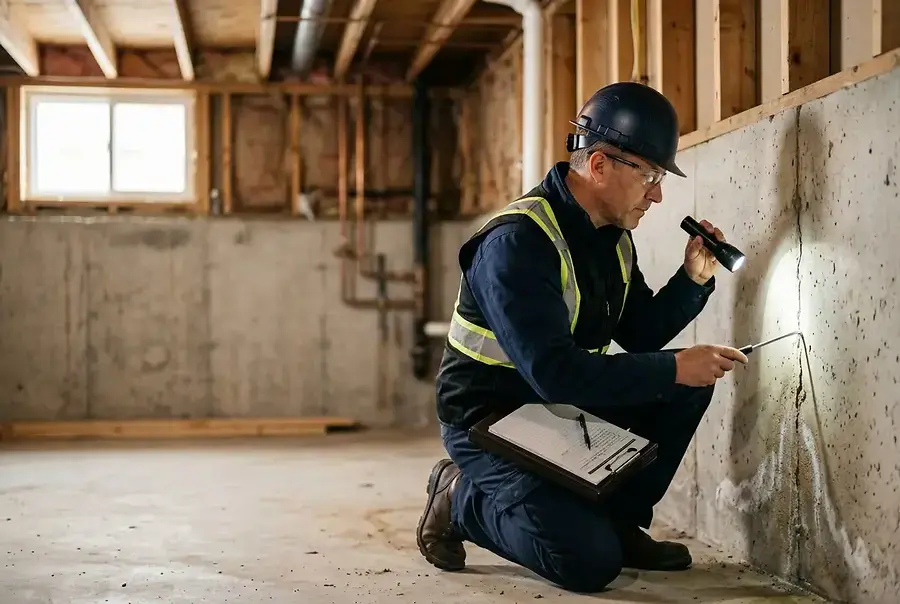
Introduction: Why Home Inspections Matter for Residential Buyers
Purchasing a home is one of the most significant financial decisions you'll make in your lifetime. While the excitement of finding your dream property can be overwhelming, it's crucial to understand that a thorough home inspection is your best defense against costly surprises. A professional home inspection reveals hidden problems that could affect your safety, comfort, and financial investment.
Many first-time buyers underestimate the importance of inspections, viewing them as an unnecessary expense. However, discovering major issues before closing can save you tens of thousands of dollars in repairs. This guide will help you understand the critical red flags that inspectors look for and what they mean for your purchase decision.
Major Structural and Foundation Issues That Require Immediate Attention
Foundation Cracks and Settlement Problems
The foundation is the backbone of any home. Significant foundation issues are among the most expensive problems to repair and can indicate serious structural concerns. During inspections, look for:
- Horizontal cracks wider than 1/4 inch
- Stair-step cracks in brick or concrete
- Bowing or leaning walls
- Water seepage or dampness in the basement
- Uneven or sloping floors
Minor hairline cracks are normal in most homes, but larger cracks may indicate foundation settlement or structural movement that requires professional evaluation and potentially expensive repairs.
Roof Condition and Age
A roof is one of your home's most critical protective barriers. Inspectors will assess:
- The age of the roof (most last 15-25 years)
- Missing, cracked, or curling shingles
- Sagging roof lines
- Improper ventilation
- Signs of water damage or leaks
If a roof is nearing the end of its lifespan, budget for replacement costs, which can range from $5,000 to $15,000 or more depending on the home's size and materials.
Wood Rot and Pest Damage
Termites, carpenter ants, and moisture-related wood rot can compromise structural integrity. Red flags include:
- Soft or spongy wood when probed
- Visible termite tubes or droppings
- Hollow-sounding wood
- Buckling or warped wood
These issues require immediate professional assessment and treatment to prevent further damage.
Systems and Safety Concerns: Electrical, Plumbing, and HVAC Problems
Electrical System Issues
Faulty electrical systems pose serious safety risks, including fire hazards. Critical red flags include:
- Outdated wiring (knob-and-tube or aluminum wiring)
- Insufficient electrical capacity for modern appliances
- Overloaded circuits or multiple extension cords
- Missing ground fault circuit interrupters (GFCIs) in bathrooms and kitchens
- Exposed wiring or damaged outlets
- Frequent breaker trips or blown fuses
Electrical upgrades can be costly, but they're essential for safety. If the home requires a complete rewiring, expect significant expenses.
Plumbing Problems
Water-related issues can lead to mold, structural damage, and health concerns. Watch for:
- Slow drains or frequent backups
- Water stains on ceilings or walls
- Corrosion on pipes (especially galvanized or polybutylene pipes)
- Low water pressure
- Leaking fixtures or visible water damage
- Outdated or failing septic systems
Old plumbing materials like polybutylene pipes are known to fail and may require complete replacement, which can be expensive and disruptive.
HVAC System Deficiencies
Heating, ventilation, and air conditioning systems are vital for comfort and air quality. Concerns include:
- Age of the system (most last 15-20 years)
- Inadequate cooling or heating capacity
- Rust or corrosion on the unit
- Refrigerant leaks
- Improper ductwork or insulation
- Lack of regular maintenance records
A failing HVAC system can cost $5,000 to $10,000 to replace, so understanding its condition is crucial for your budget planning.
Mold and Indoor Air Quality
Mold growth indicates moisture problems and poses health risks. Any visible mold or musty odors should be taken seriously. Inspectors look for mold in:
- Basements and crawl spaces
- Around windows and doors
- Under sinks and in bathrooms
- HVAC ducts and filters
Addressing moisture sources is essential before mold becomes a widespread problem.
Conclusion: Making Informed Decisions Based on Inspection Reports
A comprehensive home inspection report provides invaluable information for your purchasing decision. Don't ignore red flags or assume you can handle major repairs yourself. Instead, use the inspection findings to:
- Negotiate repairs or credits with the seller
- Request a second opinion from specialists for major issues
- Budget for necessary repairs and replacements
- Make an informed decision about whether to proceed with the purchase
Remember, a thorough inspection is an investment in your peace of mind and financial security. By understanding these critical red flags and taking them seriously, you'll be better equipped to protect your investment and avoid costly surprises after closing. Always hire a qualified, certified home inspector and don't hesitate to ask questions about anything in their report.
Pro Tip: Attend the home inspection in person. This allows you to ask questions directly and understand the issues firsthand, rather than relying solely on the written report.
