Understanding Local Building Standards and Climate Factors
When purchasing a home in Annapolis or the Eastern Shore, understanding the unique environmental and building standards of the region is crucial. The Chesapeake Bay area experiences specific climate challenges that directly impact home construction and maintenance requirements.
Maryland's coastal properties face salt air corrosion, high humidity, and seasonal flooding risks that inland homes don't typically encounter. These factors mean that materials, roofing systems, and foundation work must meet specialized standards to withstand the region's demanding weather patterns.
Moisture and Humidity Considerations
The Eastern Shore's proximity to water creates persistent moisture challenges. Inspectors should evaluate:
- Proper ventilation systems in attics and crawl spaces
- Vapor barriers and moisture control in basements
- Signs of mold or mildew in hidden areas
- Dehumidification systems and their effectiveness
Foundation and Structural Integrity
Homes built on the Eastern Shore often sit on sandy or clay soils that shift with seasonal water table changes. Foundation cracks, settling, and water intrusion are common concerns that require careful inspection. Look for evidence of previous repairs and assess whether they were completed to current standards.
Critical Areas to Inspect in Waterfront and Inland Homes
Waterfront Property Specifics
If you're considering a waterfront property in Annapolis, additional inspection points become essential:
- Bulkheads and seawalls: Check for erosion, deterioration, and proper maintenance
- Dock systems: Inspect pilings, decking, and structural stability
- Flood elevation: Verify the home's elevation relative to flood zones and insurance requirements
- Drainage systems: Ensure proper grading and stormwater management
- Marine growth and corrosion: Assess salt-related damage to metal components
Waterfront homes may require specialized flood insurance, making the elevation certificate and flood zone determination critical documents to review during inspection.
Roofing and Exterior Elements
The region's weather patterns demand particular attention to roofing systems. Wind damage, salt spray deterioration, and ice dam formation are common issues. Inspectors should examine:
- Roof age and remaining lifespan
- Shingle condition and proper fastening
- Flashing around chimneys and vents
- Gutter systems and downspout drainage
- Evidence of previous repairs or patches
HVAC and Mechanical Systems
Given the humidity levels in Annapolis and the Eastern Shore, air conditioning systems work harder than in other regions. Verify that HVAC systems are appropriately sized for the home and have been regularly maintained. Check for proper refrigerant levels, clean filters, and functional thermostats.
Plumbing and Water Quality
Many Eastern Shore homes rely on well water rather than municipal systems. If applicable, request water quality testing for bacteria, nitrates, and other contaminants. Additionally, inspect:
- Pipe materials and age (older homes may have outdated plumbing)
- Water pressure and flow rates
- Septic system functionality and maintenance records
- Water heater condition and capacity
Working with Professional Inspectors in the Annapolis Region
Selecting the Right Inspector
Not all home inspectors are equally familiar with regional challenges. Choose an inspector with specific experience in Annapolis and Eastern Shore properties. They should understand local building codes, common defects in the area, and regional climate-related issues.
Verify that your inspector holds proper licensing and certifications. Maryland requires home inspectors to be licensed, and membership in professional organizations like the American Society of Home Inspectors (ASHI) indicates commitment to industry standards.
What to Expect During the Inspection
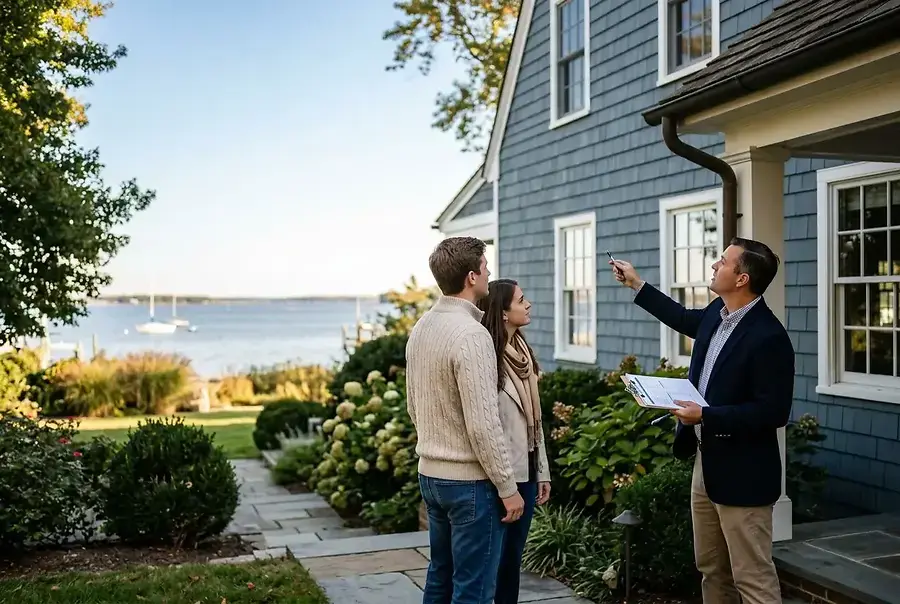
A thorough home inspection typically takes 2-4 hours and covers all major systems and components. Attend the inspection in person when possible. This allows you to ask questions, understand issues firsthand, and get clarification on findings.
Request a detailed written report that includes photographs of problem areas. The report should prioritize issues by severity and provide recommendations for repairs or further evaluation by specialists.
Specialized Inspections to Consider
Beyond the standard home inspection, consider these additional evaluations for Annapolis properties:
- Radon testing: Important for homes in certain areas
- Mold inspection: Particularly valuable given regional humidity
- Termite and pest inspection: Essential for older homes
- Septic system evaluation: For properties not on municipal sewer
- Well water testing: If applicable to the property
Using Inspection Reports to Negotiate Better Offers
Interpreting Findings and Prioritizing Issues
Once you receive the inspection report, resist the urge to panic over every finding. Distinguish between major structural issues and minor maintenance items. A roof that needs replacement in five years is different from one that's actively leaking.
Work with your real estate agent to understand which issues are typical for homes of that age and construction type in the region, and which represent genuine concerns.
Negotiation Strategies
Use the inspection report as a negotiation tool effectively:
- Request seller repairs: For significant issues, ask the seller to complete repairs before closing
- Price reductions: Negotiate a lower purchase price to account for needed repairs
- Escrow accounts: For minor items, request funds be held in escrow for repairs after closing
- Seller credits: Receive credits toward closing costs to address issues yourself
Be reasonable in your requests. Sellers are more likely to negotiate on major structural or safety issues than on cosmetic concerns or routine maintenance.
Final Walkthrough and Contingencies
Schedule a final walkthrough 24 hours before closing to verify that agreed-upon repairs were completed satisfactorily. Ensure all negotiated items have been addressed to your satisfaction before signing final documents.
A thorough home inspection is your best protection as a buyer. It provides the information needed to make confident decisions about one of life's largest investments.
Moving Forward with Confidence
By understanding local building standards, conducting thorough inspections, working with experienced professionals, and using inspection findings strategically, you can navigate the Annapolis and Eastern Shore real estate market with confidence. A well-inspected home provides peace of mind and protects your investment for years to come.