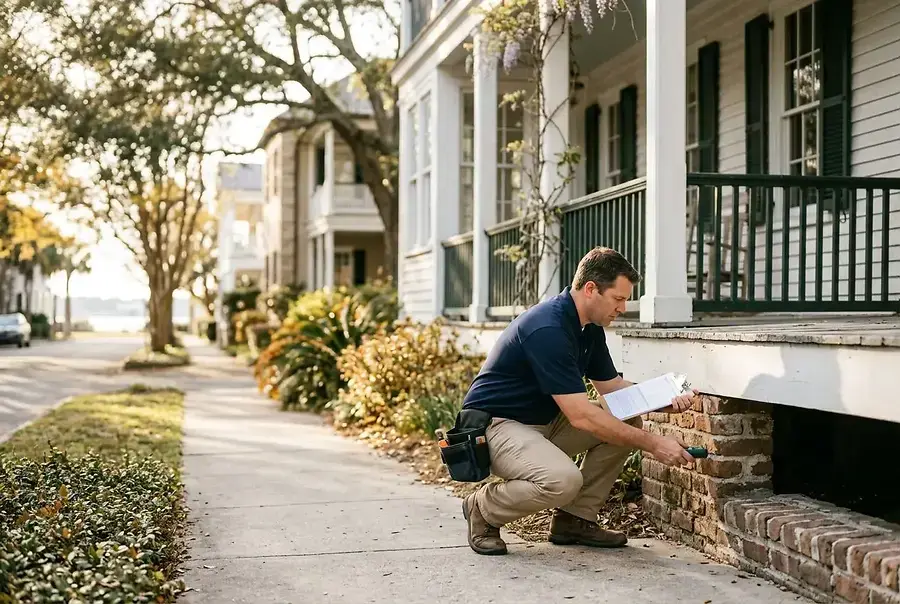
Why Home Inspections Matter for Coastal Properties
Purchasing a home in Charleston or Mount Pleasant is one of the most significant investments you'll make. A thorough home inspection is your first line of defense against inheriting expensive problems. Coastal properties face unique challenges—from salt air corrosion to moisture infiltration and foundation issues caused by shifting soil and water tables. A professional home inspection provides an objective assessment of your potential property's condition, giving you the information needed to make confident decisions.
Many buyers skip or rush through inspections to close deals faster, but this approach often leads to regret. What appears to be a charming historic home or modern beach house may hide costly repairs lurking behind walls and beneath foundations. An inspection typically costs $300-$500 and can save you thousands in unexpected repairs.
Key Areas Inspectors Check in Charleston Area Homes
Foundation and Structural Integrity
Charleston's coastal environment creates unique foundation challenges. Inspectors examine foundations for cracks, settling, and water damage—common issues in older homes built on unstable soil. They look for signs of foundation movement, moisture intrusion, and structural settling that could indicate serious problems requiring expensive repairs.
Roof and Attic Conditions
The roof is your home's primary defense against the elements. Inspectors assess:
- Shingle condition and remaining lifespan
- Flashing integrity around chimneys and vents
- Attic ventilation and insulation
- Signs of leaks or water damage
- Structural support in the attic space
In Charleston's humid climate, proper attic ventilation is critical to prevent mold growth and wood rot.
Plumbing Systems
Inspectors test water pressure, check for leaks, and examine pipe materials. Older Charleston homes often have outdated plumbing that may need replacement. They also verify that the water heater functions properly and check for corrosion in pipes—a common issue in coastal areas where salt air accelerates deterioration.
Electrical Systems
A thorough electrical inspection ensures safety and code compliance. Inspectors examine:
- Panel capacity and condition
- Grounding and bonding
- Outlet and switch functionality
- Presence of outdated wiring (knob-and-tube or aluminum)
- GFCI protection in wet areas
HVAC Systems
Heating and cooling systems are expensive to replace. Inspectors evaluate the age, condition, and efficiency of your air conditioning and heating units. They check for proper refrigerant levels, clean filters, and adequate ductwork. In Mount Pleasant's warm climate, a well-functioning AC system is essential.
Moisture and Mold Issues
This is critical for coastal properties. Inspectors look for signs of moisture intrusion, water stains, and mold growth in basements, crawl spaces, and around windows. Moisture problems can lead to structural damage, mold health hazards, and expensive remediation.
Windows and Doors
Inspectors check for proper sealing, operation, and signs of water infiltration. Salt air can damage window frames and seals, compromising energy efficiency and allowing moisture inside.
Understanding Inspection Reports and Red Flags to Watch For
Reading Your Inspection Report
Professional inspection reports are detailed documents organized by system and area. They typically include:
- Summary of findings
- Detailed descriptions of each system inspected
- Photographs of issues
- Severity ratings (minor, moderate, major)
- Estimated repair costs
- Recommendations for further evaluation
Take time to review the entire report, not just the summary. Ask your inspector to explain anything unclear.
Major Red Flags
Don't ignore these serious issues—they require immediate professional evaluation and can significantly impact your offer:
- Foundation cracks or settling – May indicate structural problems requiring expensive repairs
- Extensive water damage or mold – Health hazard and sign of ongoing moisture issues
- Outdated electrical systems – Fire hazard and expensive to upgrade
- Failing roof – Replacement costs $8,000-$15,000+
- Plumbing issues – Corroded pipes or inadequate water pressure
- HVAC system failure – Replacement can cost $5,000-$10,000
- Pest damage – Termites or wood-boring insects cause structural damage
Minor Issues vs. Deal-Breakers
Not every finding is a reason to walk away. Minor issues like worn caulking, small roof repairs, or cosmetic damage are normal in older homes. Focus on structural, safety, and major system issues. Work with your real estate agent to determine which findings warrant negotiation or further inspection.
Using Inspection Results to Negotiate and Make Confident Offers
Your inspection report is a powerful negotiation tool. If significant issues are discovered, you have several options:
- Request repairs – Ask the seller to fix major issues before closing
- Request credits – Receive money at closing to handle repairs yourself
- Renegotiate price – Lower your offer based on repair costs
- Walk away – Use inspection contingencies to exit the deal if issues are severe
Be reasonable in your requests. Sellers are more likely to cooperate if you focus on significant structural or safety issues rather than cosmetic concerns. Get repair estimates from licensed contractors to support your negotiation position.
For Charleston and Mount Pleasant properties, consider ordering specialized inspections for:
- Mold and moisture assessment
- Termite and pest inspection
- Radon testing
- Well and septic systems (if applicable)
These additional inspections provide peace of mind and valuable information for negotiation.
Conclusion: Making Confident Offers
A comprehensive home inspection is your best investment when buying in Charleston or Mount Pleasant. It protects you from costly surprises, provides negotiation leverage, and gives you confidence in your purchase decision. Never skip the inspection to save time or money—the small upfront cost pales in comparison to potential repair expenses.
Work closely with a qualified home inspector who understands coastal property challenges and local building codes. Review the report thoroughly, ask questions, and use the findings to make informed decisions about your offer. With proper due diligence, you'll find the right home and avoid costly mistakes that could haunt you for years to come.