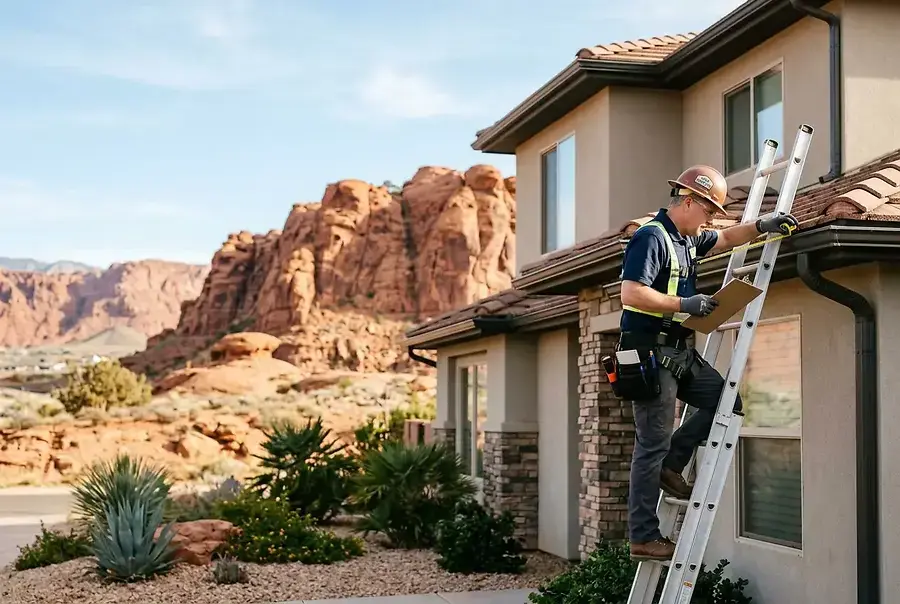
Why Home Inspections Matter in the Southwest Utah Market
Purchasing a home is one of the most significant financial decisions you'll make in your lifetime. In the Southwest Utah market, particularly in areas like Saint George and Hurricane, understanding the importance of a thorough home inspection is crucial. The unique climate, geological conditions, and building practices in this region create specific challenges that buyers must be aware of before making their investment.
A professional home inspection provides an objective assessment of a property's condition, identifying potential issues that may not be visible during a casual walkthrough. In Southwest Utah, where extreme heat, intense sun exposure, and occasional flash flooding can impact home integrity, a comprehensive inspection becomes even more valuable. This knowledge empowers you to negotiate repairs, request credits, or make informed decisions about your purchase.
Critical Areas to Inspect in Older and Newer Homes
Roof and Exterior Conditions
The Southwest Utah climate is particularly harsh on roofing materials. The intense sun exposure can cause premature deterioration of shingles, leading to leaks and water damage. During your inspection, ensure the inspector examines:
- Shingle condition and color fading
- Flashing around chimneys and vents
- Gutters and downspout functionality
- Signs of previous repairs or patches
- Proper water drainage away from the foundation
Older homes in the area may have outdated roofing materials that require replacement sooner rather than later. Newer homes should still be inspected for proper installation and manufacturer compliance.
HVAC and Cooling Systems
With summer temperatures regularly exceeding 100 degrees Fahrenheit, a properly functioning air conditioning system is non-negotiable. Your inspector should verify:
- Age and condition of the AC unit
- Proper refrigerant levels
- Thermostat functionality and accuracy
- Ductwork integrity and insulation
- Maintenance history and service records
Replacing an air conditioning system can cost $5,000 to $10,000 or more, making this one of the most critical inspection points for Southwest Utah properties.
Foundation and Structural Integrity
The region's soil composition and occasional flash flooding events make foundation inspection essential. Look for:
- Cracks in the foundation or basement walls
- Water stains or evidence of moisture intrusion
- Uneven floors or doors that don't close properly
- Proper grading around the foundation
- Adequate drainage systems and sump pumps if applicable
Foundation issues can be expensive to repair and may indicate larger structural problems that affect the home's safety and value.
Plumbing and Water Systems
Southwest Utah's hard water and mineral deposits can significantly impact plumbing systems. Inspectors should evaluate:
- Water heater age, condition, and capacity
- Pipe materials and potential corrosion
- Water pressure and flow rates
- Septic system functionality (if applicable)
- Evidence of leaks or water damage
Hard water can reduce the lifespan of appliances and plumbing fixtures, so understanding the water quality and any treatment systems in place is important.
Electrical Systems
Older homes may have outdated electrical systems that don't meet current safety standards. Your inspection should cover:
- Panel capacity and condition
- Presence of GFCI outlets in wet areas
- Grounding and bonding adequacy
- Outdated wiring that may pose fire hazards
- Proper circuit breaker operation
Upgrading electrical systems in older homes can be costly, so identifying these issues early is critical.
Understanding Inspection Reports and Red Flags
Decoding the Report
A professional home inspection report will categorize findings into different severity levels. Understanding these categories helps you prioritize concerns:
- Critical Issues: Safety hazards or major structural problems requiring immediate attention
- Major Issues: Significant repairs needed that may affect home value or functionality
- Minor Issues: Small repairs or maintenance items that don't pose immediate concerns
- Recommendations: Suggested improvements or maintenance for optimal home performance
Red Flags to Watch For
Mold and moisture damage are serious concerns in any climate. Look for discoloration, musty odors, or visible mold growth, particularly in bathrooms, basements, and around windows.
Pest damage from termites, carpenter ants, or rodents can compromise structural integrity. Evidence includes wood damage, droppings, or pest activity.
Outdated or unsafe systems such as knob-and-tube wiring, asbestos insulation, or lead paint in older homes require professional remediation and can be expensive.
Previous water damage may indicate ongoing moisture problems. Ask about any history of flooding, leaks, or water intrusion.
Deferred maintenance suggests the current owner hasn't properly cared for the property. This can indicate hidden problems and future repair costs.
Negotiating After the Inspection
Once you receive the inspection report, you have several options. You can request the seller make repairs, provide credits toward repairs, or renegotiate the purchase price. In Southwest Utah's competitive market, understanding which issues are worth negotiating and which are manageable can help you secure the best deal.
Making Informed Decisions with Inspection Knowledge
A thorough home inspection is your opportunity to make an informed decision about one of life's largest purchases. In the Southwest Utah market, where climate-related challenges and regional building practices create unique considerations, professional inspection knowledge is invaluable.
Don't skip the inspection to save money—the cost of a professional inspection (typically $300-$500) is minimal compared to potential repair costs. Choose a certified inspector with experience in the Southwest Utah area who understands local building codes and regional challenges.
Take time to review the inspection report carefully, ask questions about findings, and consider getting a second opinion on major issues if needed. Armed with this knowledge, you'll be confident in your home purchase decision and prepared for any maintenance or repairs ahead.
Remember, a home inspection is your best defense against costly surprises and ensures you're making a sound investment in Southwest Utah real estate.