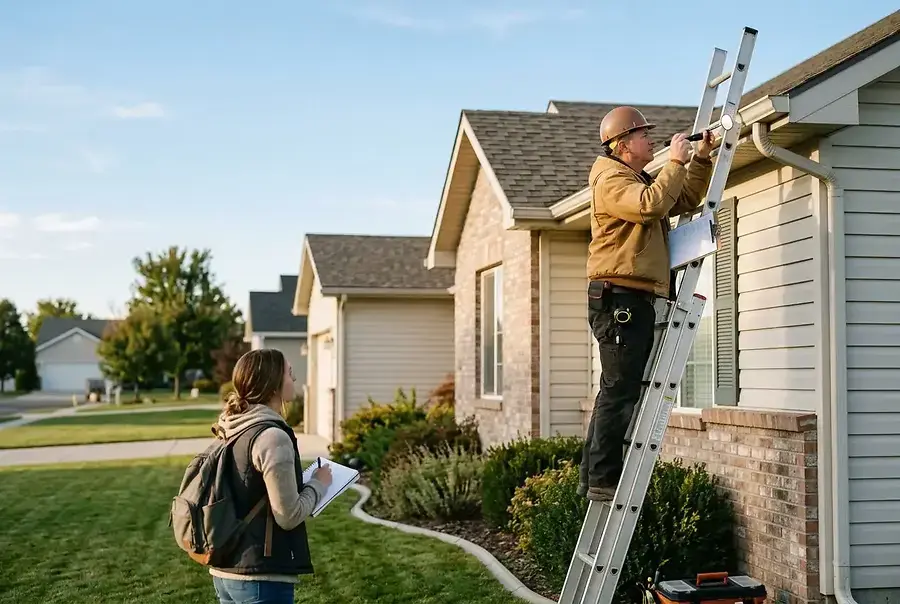
Introduction: Why Home Inspections and Appraisals Matter in Twin Falls
Purchasing a home is one of the most significant financial decisions you'll make in your lifetime. In Twin Falls, where the real estate market continues to evolve, understanding the importance of home inspections and appraisals is crucial for any buyer. These two processes serve different but equally important purposes: inspections protect you from hidden defects, while appraisals ensure you're paying a fair price for your property.
Many first-time homebuyers underestimate the value of these services, viewing them as unnecessary expenses. However, a thorough inspection and professional appraisal can save you thousands of dollars and prevent costly surprises after closing. This guide will walk you through both processes so you can approach your Twin Falls home purchase with confidence.
The Home Inspection Process: What Twin Falls Buyers Should Expect
What Is a Home Inspection?
A home inspection is a comprehensive examination of a property's physical condition. A licensed inspector evaluates the structure, systems, and components of the home, including the roof, foundation, plumbing, electrical systems, HVAC, and more. The goal is to identify any defects, safety issues, or maintenance concerns that could affect the property's value or your safety.
Scheduling Your Inspection
Once your offer is accepted, you'll typically have a window of 7-10 days to schedule and complete your home inspection. Here's what you should know:
- Timing: Schedule the inspection as soon as possible after your offer is accepted to allow time for negotiations if issues are found.
- Cost: Home inspections in Twin Falls typically range from $300 to $500, depending on the property size and age.
- Duration: Expect the inspection to take 2-4 hours for an average-sized home.
- Attendance: While not required, it's highly recommended that you attend the inspection to ask questions and understand any issues firsthand.
What Inspectors Look For
Professional home inspectors examine numerous components and systems:
- Structural integrity and foundation condition
- Roof condition and remaining lifespan
- Plumbing systems and water quality
- Electrical systems and safety
- Heating and cooling systems
- Insulation and ventilation
- Windows, doors, and exterior condition
- Basement or crawl space conditions
- Presence of mold, pests, or hazardous materials
Understanding the Inspection Report
After the inspection, you'll receive a detailed report categorizing findings into three levels: major issues (safety concerns or significant repairs needed), minor issues (maintenance items), and observations (items to monitor). Use this report to negotiate repairs or credits with the seller, or to make an informed decision about proceeding with the purchase.
Property Appraisals: How Twin Falls Homes Are Valued
Understanding Home Appraisals
A home appraisal is an independent assessment of a property's fair market value. Unlike inspections, which focus on condition, appraisals determine what a home is worth based on comparable sales, market conditions, and property characteristics. If you're financing your purchase, your lender will require an appraisal to ensure the property value supports the loan amount.
The Appraisal Process
Here's what happens during a typical appraisal:
- Appraiser Selection: Your lender orders the appraisal from a licensed, independent appraiser.
- Property Inspection: The appraiser visits the property to evaluate its condition, size, layout, and features.
- Comparable Analysis: The appraiser researches recent sales of similar properties in Twin Falls to establish market value.
- Report Delivery: Within 5-7 business days, you'll receive the appraisal report.
- Cost: Appraisals typically cost $400-$600 and are paid by the buyer, though sometimes included in closing costs.
What Affects Your Home's Appraisal Value
Several factors influence how an appraiser values your Twin Falls property:
- Location and neighborhood: Proximity to schools, amenities, and employment centers
- Property size and lot: Square footage, number of bedrooms and bathrooms
- Condition: Age of the home and condition of major systems
- Recent upgrades: Renovations, new roof, updated HVAC, or modern kitchen
- Market conditions: Current supply and demand in the Twin Falls area
- Comparable sales: Recent sales prices of similar properties
What If the Appraisal Comes in Low?
If the appraisal is lower than your agreed purchase price, you have several options:
- Renegotiate the purchase price with the seller
- Request the seller make repairs to justify the higher price
- Increase your down payment to cover the difference
- Walk away from the deal if your lender won't approve the higher loan amount
A low appraisal protects you by ensuring you're not overpaying for the property, making it one of the most valuable safeguards in the home buying process.
Conclusion: Making Informed Decisions with Inspection and Appraisal Data
Home inspections and appraisals are not optional steps in the Twin Falls home buying process—they're essential protections for your investment. The inspection reveals the true condition of the property, allowing you to make repairs a condition of sale or adjust your offer accordingly. The appraisal ensures you're paying fair market value and protects your lender's investment.
By understanding both processes and actively participating in them, you'll have the information needed to make confident decisions about your Twin Falls home purchase. Don't skip these steps or view them as unnecessary expenses. Instead, see them as investments in your peace of mind and financial security.
Ready to buy in Twin Falls? Work with a knowledgeable real estate agent who can guide you through inspections and appraisals, and always hire licensed professionals for both services. Your future self will thank you for taking these important steps today.