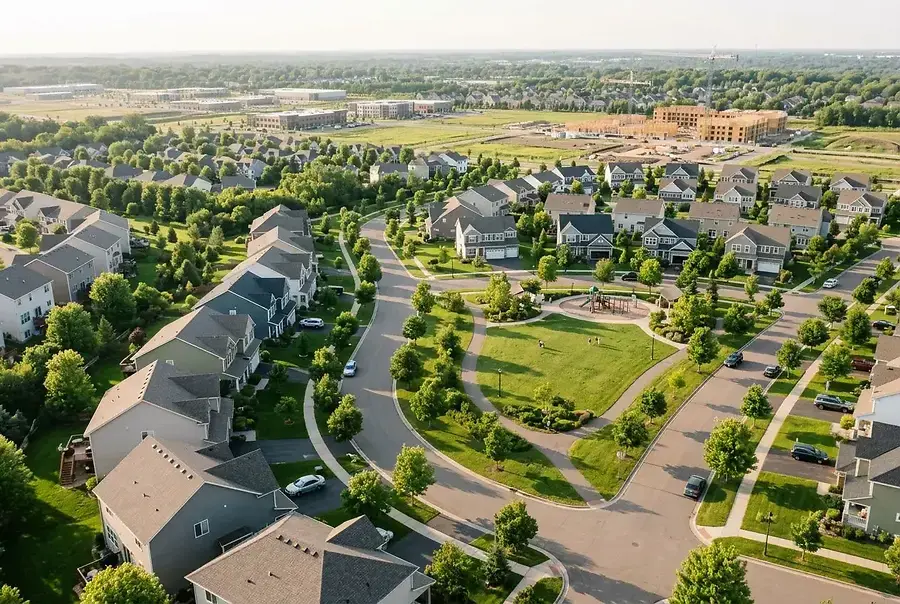
Understanding Price Variations Across Minneapolis Metro Suburbs
The Minneapolis metropolitan area encompasses diverse neighborhoods with dramatically different home prices and market dynamics. From established urban neighborhoods to rapidly developing suburban communities, understanding these variations is essential for making informed real estate decisions. Price differences stem from multiple factors including proximity to downtown, school district ratings, amenities, infrastructure development, and historical appreciation patterns.
Northwest Twin Cities suburbs have emerged as particularly attractive markets for homebuyers seeking value without sacrificing quality of life. These communities offer a compelling blend of affordability, growing infrastructure, and strong community development that appeals to both first-time buyers and experienced investors.
Key Factors Influencing Suburban Home Prices
- Location and Commute Times: Distance from downtown Minneapolis and St. Paul significantly impacts pricing, with closer suburbs commanding premium prices.
- School District Quality: Highly-rated school districts consistently drive higher home values and attract families seeking educational excellence.
- Infrastructure Development: New roads, transit options, and commercial development create upward pressure on property values.
- Community Amenities: Parks, recreation centers, and local businesses enhance neighborhood appeal and property desirability.
- Market Maturity: Established neighborhoods often show different appreciation patterns than emerging communities.
Top Value Communities: Where Your Dollar Goes Furthest
Several northwest Twin Cities suburbs stand out as exceptional value propositions for homebuyers. These communities offer competitive pricing while maintaining strong fundamentals that support long-term appreciation.
Emerging Neighborhoods with Strong Potential
Communities on the outer ring of the metro area provide the most aggressive pricing while still offering excellent amenities and development prospects. These neighborhoods attract buyers willing to embrace emerging markets in exchange for significant savings compared to established suburbs.
Key advantages of value-focused communities include:
- Lower entry prices for comparable square footage
- Newer construction with modern features and energy efficiency
- Expanding commercial corridors creating job opportunities
- Planned infrastructure improvements supporting future growth
- Diverse housing options from townhomes to single-family residences
Balancing Price and Established Infrastructure
Mid-tier suburbs offer an attractive middle ground between cutting-edge value and established community infrastructure. These neighborhoods have matured beyond initial development phases while still offering better pricing than premium suburbs closer to downtown.
Buyers in these communities benefit from proven school systems, established parks and recreation facilities, and developed commercial districts while avoiding the premium pricing of the most sought-after suburbs. This balance makes them ideal for families prioritizing both value and stability.
Long-Term Appreciation Trends in Northwest Twin Cities Markets
Historical data reveals compelling appreciation patterns in northwest Twin Cities suburbs. Communities that invested in infrastructure, attracted quality employers, and maintained strong school systems have consistently outperformed broader market trends.
Understanding Market Cycles and Growth Patterns
Real estate markets move in cycles, with different communities experiencing growth at different times. Northwest suburbs have benefited from consistent population migration from urban cores and from other regions seeking affordable Midwestern living. This demographic trend supports sustained appreciation potential.
Smart investors recognize that appreciation potential extends beyond current prices—it reflects community trajectory, infrastructure investment, and demographic trends.
Factors Supporting Future Appreciation
- Population Growth: Twin Cities metro continues attracting residents from both coasts and internationally.
- Employment Centers: Major employers expanding operations in northwest suburbs create job growth and demand.
- Infrastructure Investment: Public and private sector investments in roads, transit, and utilities support long-term value.
- Quality of Life: Excellent schools, parks, and community services attract and retain residents.
- Affordability Advantage: Compared to coastal metros, Twin Cities suburbs remain accessible to middle-income families.
How to Choose the Right Suburb Based on Your Budget and Goals
Selecting the ideal suburb requires aligning your financial parameters with your lifestyle priorities and investment objectives. Different communities serve different buyer profiles, and understanding your own needs is essential for satisfaction and financial success.
Define Your Budget Parameters
Begin by establishing realistic price ranges based on your down payment, financing capacity, and comfort level with monthly payments. Remember that total costs extend beyond mortgage payments to include property taxes, insurance, maintenance, and utilities—all of which vary significantly across suburbs.
Consider both your current financial situation and anticipated future changes. Will your income grow? Do you plan to expand your family? Understanding these factors helps identify communities that will serve your needs long-term.
Prioritize Your Lifestyle Needs
Different suburbs excel in different areas. Families with school-age children should prioritize districts with strong academic records and extracurricular programs. Commuters should evaluate proximity to their workplace and public transit options. Those seeking vibrant social scenes should explore communities with active downtown areas and cultural amenities.
Create a weighted list of priorities—perhaps school quality ranks highest, followed by commute time, then community amenities. This framework helps evaluate communities objectively and prevents emotional decisions that might not align with your actual needs.
Evaluate Investment Potential
If appreciation potential matters to your decision, research community development plans, employer expansion announcements, and infrastructure projects. Communities with planned transit improvements, new commercial development, or major employer relocations typically show stronger appreciation trajectories.
Connect with local real estate professionals who understand neighborhood-specific trends. Their insights into market dynamics, upcoming developments, and community direction provide invaluable perspective that extends beyond current listing prices.
Visit and Experience Communities
Numbers tell part of the story, but personal experience reveals crucial details. Spend time in potential neighborhoods during different times of day and week. Visit parks, schools, shopping areas, and restaurants. Talk with current residents about their experiences. This firsthand knowledge often reveals factors that data alone cannot capture.
The right suburb combines financial accessibility with lifestyle alignment and appreciation potential. By systematically evaluating your budget, priorities, and investment goals against available communities, you can identify neighborhoods that will provide both immediate satisfaction and long-term value.
Northwest Twin Cities suburbs offer compelling opportunities for homebuyers and investors willing to research thoroughly and think strategically about their real estate decisions. Whether you prioritize maximum affordability, established infrastructure, or aggressive appreciation potential, communities exist that match your specific needs and goals.