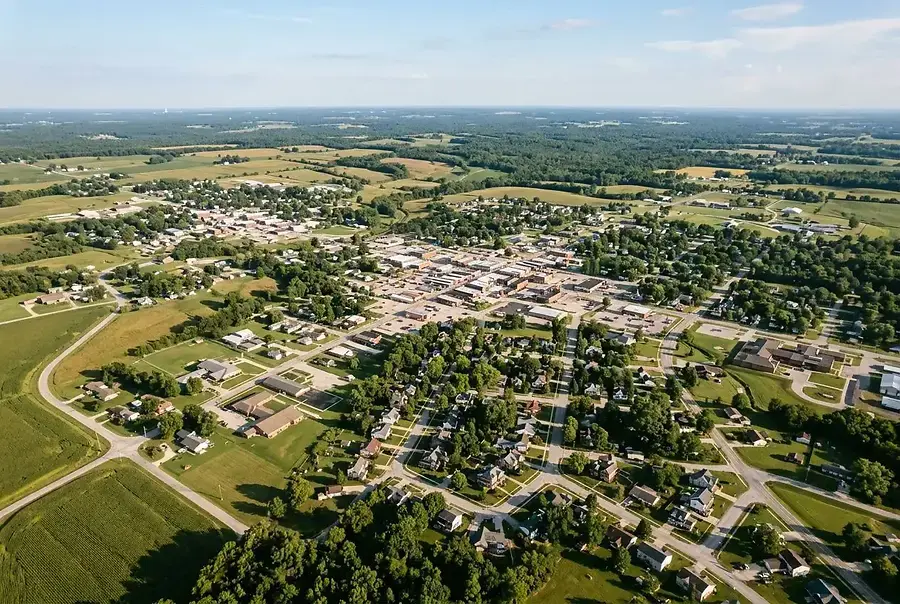
Introduction: Understanding the Regional Real Estate Landscape
Southern Illinois presents a unique real estate market with distinct characteristics across its various communities. Whether you're a first-time homebuyer, an investor, or someone looking to relocate, understanding the price variations between neighboring towns can significantly impact your decision-making process. This guide examines six key communities—Du Quoin, Nashville, Pinckneyville, Tamaroa, Marion, and Sparta—to help you navigate the regional housing market with confidence.
Each community in Southern Illinois offers its own charm, amenities, and economic opportunities. The residential real estate market in this region reflects broader economic trends, local employment opportunities, and community development initiatives. By comparing home prices and understanding what drives value in each location, you can make a more informed investment decision that aligns with your financial goals and lifestyle preferences.
Price Trends and Market Comparisons Across the Six Communities
Marion: The Regional Hub
Marion stands as the largest and most economically diverse community among the six, which typically translates to higher average home prices. The median home price in Marion reflects its status as a regional center with more employment opportunities, better infrastructure, and a wider range of amenities. Properties here range from modest starter homes to more substantial residential investments, offering options across various price points.
Key characteristics:
- Largest population base with diverse job market
- More established neighborhoods with varied home styles
- Higher average home prices compared to smaller communities
- Better access to schools, healthcare, and retail services
Du Quoin and Sparta: Mid-Range Markets
Du Quoin and Sparta occupy the middle ground of the regional market, offering more affordable options than Marion while maintaining reasonable access to amenities and services. These communities have experienced steady interest from buyers seeking smaller-town living without sacrificing essential conveniences. Home prices in these areas tend to be 15-25% lower than Marion, making them attractive for budget-conscious buyers.
Both communities benefit from their proximity to larger regional centers while maintaining their own local character and community identity. The housing stock includes a mix of historic homes and newer construction, providing options for different preferences and renovation interests.
Nashville, Pinckneyville, and Tamaroa: Affordable Options
These three communities represent the most affordable segment of the market, with home prices typically 30-40% lower than Marion. Nashville, Pinckneyville, and Tamaroa appeal to buyers prioritizing affordability and those seeking tight-knit community environments. These smaller towns often feature charming downtown areas, lower property taxes, and a strong sense of community connection.
Market advantages in these communities:
- Significantly lower purchase prices and property taxes
- Strong community spirit and local engagement
- Less competition in the housing market
- Potential for property appreciation as regional development continues
Factors Influencing Home Values in Each Location
Employment Opportunities and Economic Stability
The availability of local employment significantly impacts home values across all six communities. Marion's diverse economic base supports higher property values, while smaller communities with limited job markets may see more modest pricing. However, remote work opportunities have begun to level this playing field, allowing professionals to live in more affordable areas while maintaining higher incomes.
School Quality and Educational Resources
School district ratings consistently influence residential property values. Communities with highly-rated schools attract families willing to pay premium prices for homes in those districts. Marion typically offers more school options and higher-rated institutions, contributing to its price premium. Smaller communities often feature tight-knit school environments that appeal to families seeking personalized education experiences.
Infrastructure and Development
The quality of local infrastructure—including roads, utilities, and public services—directly affects home values. Communities with recent infrastructure improvements or planned development projects often see increased property values. Marion's established infrastructure supports higher prices, while communities investing in improvements may experience appreciation potential.
Property Taxes and Cost of Living
Property tax rates vary between communities and significantly impact the true cost of homeownership. Smaller communities typically offer lower tax burdens, which can offset lower home prices and provide better overall value. When comparing homes across communities, always factor in local property tax rates and other living expenses.
Housing Supply and Demand Dynamics
The balance between available homes and interested buyers shapes market prices. Marion's larger population creates more consistent demand, while smaller communities may experience seasonal fluctuations. Limited housing inventory in desirable areas can drive prices up, while abundant inventory may create buyer advantages.
Community Amenities and Quality of Life
Access to parks, recreational facilities, dining options, and cultural activities influences property values. Marion offers more extensive amenities, supporting higher prices. However, smaller communities often provide quieter lifestyles, lower crime rates, and stronger community bonds that appeal to specific buyer demographics.
Conclusion: Finding Your Best Investment in Southern Illinois
The Southern Illinois real estate market offers something for every buyer profile and budget. Marion serves those seeking a larger community with diverse opportunities and established infrastructure, while Du Quoin and Sparta provide middle-ground options balancing affordability with amenities. Nashville, Pinckneyville, and Tamaroa appeal to buyers prioritizing affordability and community connection.
When making your decision, consider:
- Your budget and financing capabilities
- Employment opportunities and career trajectory
- Family needs, including school quality
- Lifestyle preferences and community values
- Long-term investment potential and appreciation prospects
- Total cost of ownership, including taxes and utilities
The best investment in Southern Illinois isn't necessarily the most expensive property or the cheapest option—it's the home that aligns with your financial situation, lifestyle goals, and long-term vision. By understanding how prices vary across these six communities and what factors drive those differences, you're equipped to make a confident decision that serves your needs for years to come. Consider visiting each community, speaking with local real estate professionals, and exploring neighborhoods to find your perfect Southern Illinois home.