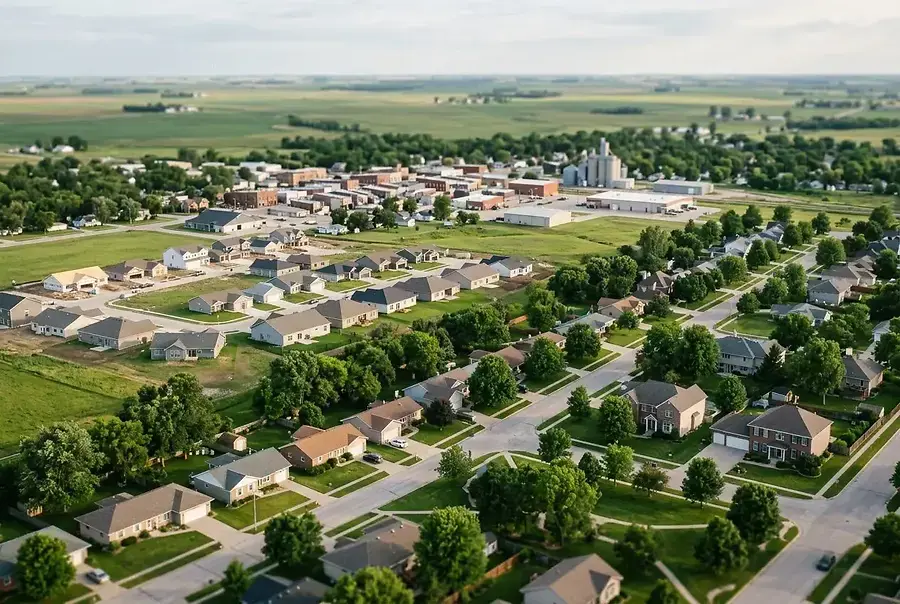
Introduction: Understanding the Price Range Across Nebraska's Omaha Corridor
The Omaha metropolitan area and surrounding Nebraska communities offer diverse housing markets with varying price points, making it an attractive region for homebuyers with different budgets and lifestyle preferences. Whether you're a first-time buyer, an investor, or someone looking to relocate, understanding the real estate landscape across these eight towns is essential for making an informed decision.
From the more affordable rural communities to the bustling suburban areas, each town presents unique opportunities and challenges. This guide breaks down the home values and market dynamics across Firth, Wahoo, Lincoln, Ashland, Gretna, Elkhorn, and Fremont, helping you identify the best fit for your needs and financial goals.
Price Comparison: Breaking Down Home Values in Each Community
Firth
Firth, a small rural community south of Lincoln, offers some of the most affordable housing options in the region. Average home prices range from $150,000 to $250,000, making it ideal for budget-conscious buyers seeking a quiet, countryside lifestyle. Properties here often feature larger lots and acreage, appealing to those who value space and privacy.
Wahoo
Located west of Omaha, Wahoo maintains a small-town charm while experiencing steady growth. Home prices typically fall between $180,000 and $300,000, reflecting its position as a developing community with improving amenities. The town attracts families and professionals seeking a balance between affordability and convenience.
Lincoln
As Nebraska's capital and second-largest city, Lincoln presents a more robust housing market. Average home prices range from $220,000 to $400,000, with variation based on neighborhood and proximity to the university. The diverse market offers options for various budgets, from starter homes to upscale properties.
Ashland
Situated between Omaha and Lincoln, Ashland offers moderate pricing with growing appeal. Home values typically range from $200,000 to $350,000. The town's strategic location and improving infrastructure make it an increasingly popular choice for commuters and families.
Gretna
Gretna, a rapidly developing suburb southwest of Omaha, commands higher prices due to its proximity to the city and modern amenities. Average home prices range from $280,000 to $450,000. New construction and established neighborhoods provide diverse options for buyers seeking suburban convenience.
Elkhorn
As one of Omaha's most desirable suburbs, Elkhorn features premium pricing reflecting its excellent schools and family-friendly environment. Home prices typically range from $320,000 to $550,000. The community attracts affluent families and established professionals willing to invest in quality neighborhoods.
Fremont
Located north of Omaha, Fremont offers moderate pricing with a strong sense of community. Average home values range from $160,000 to $280,000. The town appeals to buyers seeking affordability without sacrificing access to urban amenities and employment opportunities.
Factors Influencing Local Home Costs and Market Trends
Proximity to Omaha
Distance from Omaha significantly impacts home prices across the region. Communities closer to the city center, such as Elkhorn and Gretna, command premium prices due to shorter commutes and greater access to employment and entertainment. Conversely, more distant towns like Firth and Fremont offer more affordable options for those willing to travel.
School District Quality
Highly-rated school districts consistently drive up property values. Elkhorn and Gretna benefit from excellent educational reputations, attracting families and supporting higher price points. Communities with developing or average-rated schools typically offer more competitive pricing for budget-conscious buyers.
Infrastructure and Development
Towns experiencing active development and infrastructure improvements, such as new roads, utilities, and commercial centers, often see appreciation in home values. Gretna and Ashland exemplify this trend, with ongoing expansion projects supporting market growth.
Employment Opportunities
Access to diverse job markets influences housing demand and prices. Lincoln's position as the state capital and home to the University of Nebraska creates robust employment opportunities, supporting its mid-to-higher price range. Omaha's proximity benefits Elkhorn and Gretna similarly.
Market Trends and Appreciation
The Nebraska real estate market has experienced steady appreciation across most communities. Emerging trends include:
- Increased demand for suburban properties as remote work becomes more common
- Growing interest in smaller towns offering affordability and community character
- New construction activity in Gretna and Elkhorn supporting market dynamism
- Steady appreciation in Lincoln driven by university growth and state government expansion
Seasonal Variations
Like most real estate markets, Nebraska's housing sector experiences seasonal fluctuations. Spring and early summer typically see increased activity and slightly higher prices, while fall and winter may offer more negotiating leverage for buyers.
Conclusion: Choosing the Right Community Based on Your Budget and Goals
Selecting the right Nebraska community depends on balancing your financial constraints with your lifestyle preferences and long-term goals. Consider these guidelines:
- Budget-Conscious Buyers: Firth and Fremont offer the most affordable options while maintaining reasonable access to urban amenities
- Growing Families: Gretna and Elkhorn provide excellent schools and family-friendly environments, though at premium prices
- Commuters: Ashland and Wahoo offer balanced pricing with convenient access to both Omaha and Lincoln
- Urban Professionals: Lincoln provides diverse neighborhoods and robust employment opportunities across various price points
The Nebraska Omaha corridor offers something for everyone. By understanding the price dynamics and market factors influencing each community, you can make a confident decision that aligns with your financial situation and personal aspirations. Whether you prioritize affordability, school quality, or urban convenience, these eight towns provide excellent opportunities for your next home investment.
