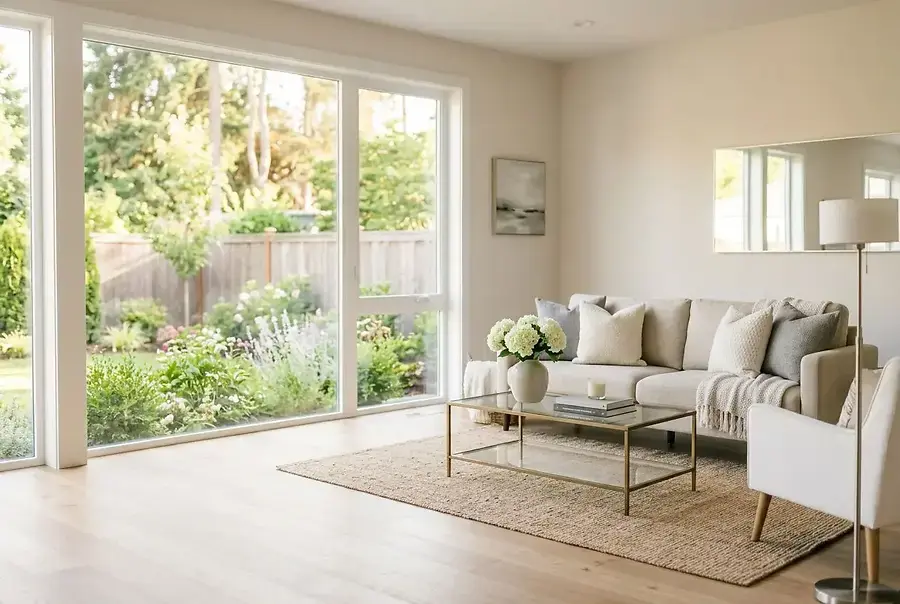
Why Home Staging Matters in Today's Residential Market
In today's competitive real estate market, first impressions are everything. Home staging has become an essential strategy for sellers looking to maximize their property's appeal and selling potential. When done correctly, staging can significantly reduce the time your home spends on the market and increase its final sale price.
The psychology behind home staging is simple yet powerful: buyers need to envision themselves living in your space. A well-staged home tells a story, creates emotional connections, and highlights the property's best features. Whether you're selling a cozy apartment or a sprawling suburban home, the principles of effective staging remain consistent.
Studies show that staged homes sell faster and for higher prices than unstaged properties. By investing time and effort into preparing your home, you're not just making it look better—you're making a smart financial decision that pays dividends when it comes time to close the deal.
Decluttering and Depersonalizing Your Spaces
The Power of Minimalism
The first step in staging your home is removing excess clutter. A cluttered home feels smaller, cramped, and overwhelming to potential buyers. Start by going through each room and asking yourself: "Does this item serve a purpose or add value to the space?"
Create three categories as you declutter:
- Keep: Essential items and attractive décor that enhances the room
- Donate: Items in good condition that you no longer need
- Discard: Broken or worn-out items that have no value
Pay special attention to kitchens and bathrooms, where clutter is most noticeable. Clear countertops of appliances, personal care items, and unnecessary decorations. These spaces should feel clean, organized, and functional.
Removing Personal Touches
While your family photos and personal collections mean the world to you, they can actually hinder the selling process. Buyers need to imagine their own family in the space, and personal items can distract from the home's features.
Consider removing or boxing up:
- Family photographs and personal artwork
- Collections and memorabilia
- Religious or political items
- Unusual or bold color schemes in décor
- Pet-related items and accessories
This doesn't mean your home should feel sterile or cold. Instead, opt for neutral, tasteful décor that appeals to a broad audience. A few well-chosen decorative pieces can add warmth without overwhelming the space.
Strategic Furniture Placement and Curb Appeal Enhancement
Optimizing Room Layouts
Furniture arrangement plays a crucial role in how buyers perceive your home's functionality and size. Strategic placement can make rooms feel larger, more open, and more inviting.
Key principles for furniture arrangement include:
- Create clear pathways: Ensure buyers can easily walk through each room without obstacles
- Define spaces: Use furniture to create distinct areas in open-concept homes
- Highlight focal points: Arrange furniture to draw attention to fireplaces, windows, or architectural features
- Maintain balance: Distribute furniture evenly to avoid rooms feeling lopsided or cramped
Remove oversized furniture that overwhelms rooms and consider rearranging pieces to create a more spacious feel. Sometimes, less is more when it comes to staging.
Elevating Curb Appeal
Your home's exterior is the first thing buyers see, and it sets the tone for their entire visit. Exceptional curb appeal can make the difference between a buyer scheduling a showing or moving on to the next listing.
Enhance your home's exterior with these essential touches:
- Landscaping: Trim bushes, mow the lawn, and add fresh mulch to garden beds
- Front entrance: Paint the front door a welcoming color, add new house numbers, and place potted plants on either side
- Cleanliness: Power wash the driveway, walkway, and exterior walls
- Lighting: Install or update outdoor lighting fixtures for evening appeal
- Maintenance: Repair any visible damage, replace broken shutters, and ensure gutters are clean
A well-maintained exterior suggests that the interior has been cared for equally well, creating confidence in potential buyers.
Creating Inviting Living Spaces
Once buyers step inside, they should feel welcomed and comfortable. Neutral paint colors, fresh flowers, and subtle scents can create an inviting atmosphere that encourages buyers to linger and imagine their future in the space.
Consider these finishing touches:
- Fresh flowers or plants in key rooms
- Clean, neutral paint colors on walls
- Soft, warm lighting throughout the home
- Minimal but tasteful artwork and décor
- Pleasant, subtle scents (avoid overpowering fragrances)
Turning Your Home Into a Buyer's Dream
Home staging is both an art and a science. It requires a thoughtful approach to decluttering, depersonalizing, and strategically arranging your space to highlight its best features. By following these proven techniques, you're not just preparing your home for sale—you're creating an emotional connection that motivates buyers to make an offer.
Remember, the goal of staging is to help buyers see the potential in your home and envision their future there. Whether you tackle this project yourself or hire a professional stager, the investment in preparation typically pays for itself many times over through a faster sale and higher final price.
Start with the basics: declutter, depersonalize, and arrange your furniture strategically. Pay attention to curb appeal and create inviting living spaces. With these essentials in place, your home will be ready to impress buyers and move quickly in today's competitive market.