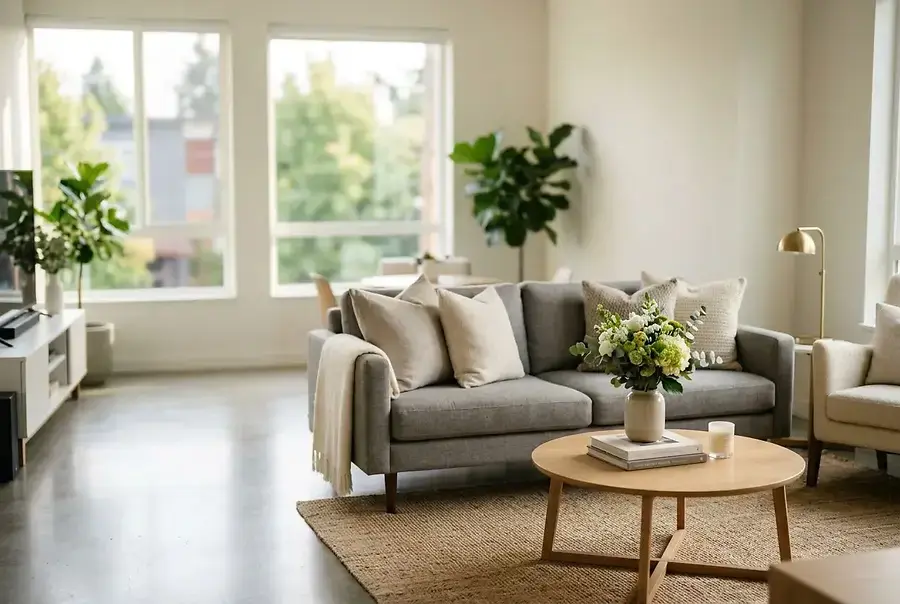
Introduction: Why First Impressions Matter in Real Estate Sales
When potential buyers walk through your home, they form opinions within seconds. This critical first impression can determine whether they continue viewing your property or move on to the next listing. Home staging is the art of presenting your property in its best light, strategically arranging furniture, décor, and lighting to highlight its strengths and minimize weaknesses.
The statistics speak for themselves: homes that are properly staged sell faster and at higher prices than unstaged properties. In today's competitive real estate market, staging isn't a luxury—it's a necessity. Whether you're selling a cozy apartment or a sprawling estate, the principles of effective staging remain consistent: create an emotional connection, maximize space perception, and help buyers envision their future in your home.
A well-staged home can increase its perceived value by up to 10-15% and reduce time on the market significantly.
Essential Staging Techniques for Maximum Visual Impact
Declutter and Depersonalize
The first step in staging is removing excess items that distract from your home's architecture and layout. Less is more when it comes to creating an inviting space. Remove personal photos, collections, and memorabilia that might not resonate with buyers. A clean, minimalist approach allows potential buyers to imagine their own belongings in the space.
- Remove 30-50% of items from closets and shelves
- Store seasonal decorations and personal collections
- Clear countertops of unnecessary appliances and clutter
- Organize remaining items in a visually appealing manner
Optimize Lighting and Brightness
Lighting dramatically affects how buyers perceive your home. Natural light is your best asset—open all curtains and blinds during showings. For darker areas, strategically place lamps and ensure all light bulbs are functioning. Warm, neutral lighting creates an inviting atmosphere that makes spaces feel larger and more welcoming.
Create Focal Points in Each Room
Every room should have a clear focal point that draws the eye. In the living room, this might be a fireplace or large window. In the bedroom, the bed should be the centerpiece. Arrange furniture to highlight these features and create natural traffic flow through your home. This guides buyers through the space and emphasizes your property's best qualities.
Refresh Paint and Flooring
Neutral paint colors appeal to the broadest audience. Consider repainting walls in soft whites, beiges, or light grays if your current colors are bold or dated. Similarly, clean or refinish flooring to ensure it looks fresh and well-maintained. These improvements provide an excellent return on investment and immediately modernize your space.
Enhance Curb Appeal
The exterior of your home is the first thing buyers see. Invest in landscaping, fresh mulch, and vibrant plants to create an inviting entrance. Paint the front door a welcoming color, ensure the driveway is clean, and add outdoor seating or planters to suggest lifestyle possibilities. A well-maintained exterior sets a positive tone for the entire showing.
Stage Key Rooms Strategically
Focus your staging efforts on high-impact areas:
- Kitchen: Clean appliances, organize cabinets, add fresh flowers or fruit in a bowl
- Master Bedroom: Invest in quality bedding, minimize furniture, create a spa-like atmosphere
- Bathrooms: Ensure spotless cleanliness, add plush towels, include subtle scents
- Living Room: Arrange furniture to encourage conversation, add throw pillows and blankets
Avoiding Common Staging Mistakes That Cost You Money
Over-Staging and Excessive Décor
While staging is important, overdoing it can backfire. Avoid filling your home with trendy furniture or excessive decorations that feel artificial. Buyers want to see the home itself, not a showroom. Balance is key—stage enough to inspire, but not so much that it feels staged.
Ignoring Maintenance Issues
No amount of staging can hide a leaky faucet or cracked tile. Address maintenance problems before showing your home. Buyers notice these issues and may use them as negotiation points. Fix what's broken and ensure everything is in working order to demonstrate that your home has been well-maintained.
Poor Odor Management
Unpleasant smells can instantly turn buyers away. Avoid strong air fresheners or cooking odors during showings. Instead, ensure your home is clean and fresh-smelling. Consider subtle scents like vanilla or fresh linen, but use them sparingly. Open windows for fresh air circulation before each showing.
Neglecting Storage Solutions
Buyers want to see adequate storage space. Organize closets and cabinets to demonstrate their capacity. Remove items that make storage appear limited. Well-organized storage suggests that your home can accommodate a buyer's belongings comfortably.
Furniture That's Too Large or Misplaced
Oversized furniture makes rooms appear smaller and cramped. Use appropriately-sized pieces that allow buyers to visualize the space's true dimensions. Arrange furniture to create clear pathways and open sightlines throughout your home.
Ignoring Outdoor Spaces
Don't forget about patios, decks, and gardens. These areas extend your home's living space and should be equally inviting. Clean outdoor furniture, add potted plants, and ensure landscaping is neat and well-maintained. Outdoor spaces represent valuable square footage that can significantly impact a buyer's decision.
Conclusion: Staging as Your Competitive Advantage in Today's Market
Home staging is an investment that pays dividends. By implementing these strategic techniques, you're not just preparing your home for sale—you're creating an emotional experience that resonates with buyers. The goal is to help potential buyers see themselves living in your space, which translates directly into faster sales and higher prices.
Remember that staging is about highlighting your home's strengths while minimizing its weaknesses. Every room, every detail, and every design choice should work together to create a cohesive, inviting environment. Whether you choose to stage your home yourself or hire a professional stager, the investment is worthwhile.
In a competitive real estate market, homes that are properly staged consistently outperform those that aren't. By avoiding common mistakes and implementing proven staging strategies, you position yourself for success. Your home isn't just a property—it's a lifestyle opportunity waiting to be discovered by the right buyer.