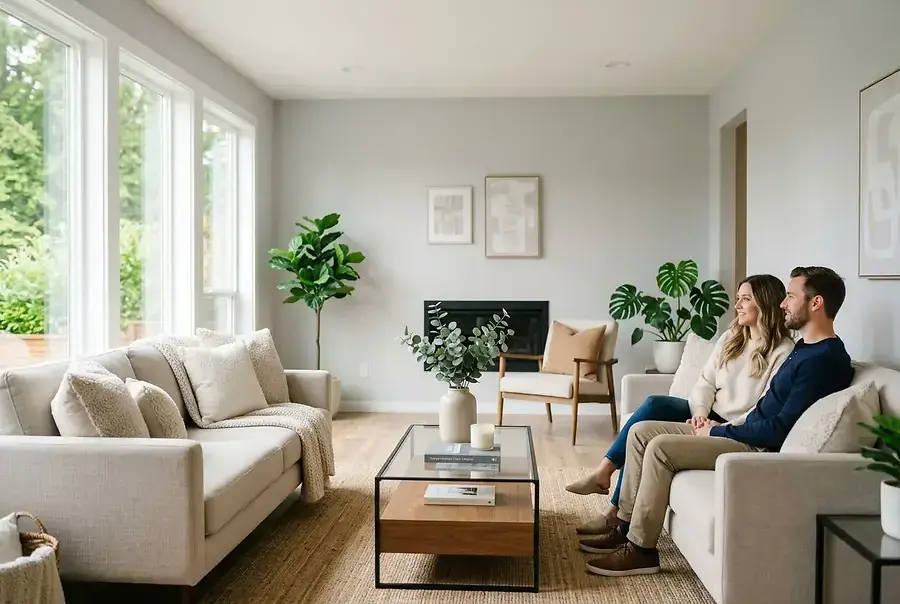
Why Home Staging Matters in Today's Competitive Real Estate Market
In the fast-paced Seattle area real estate market, first impressions are everything. Whether you're selling in Seattle, Bellevue, Kirkland, Redmond, or Renton, home staging has become an essential strategy for homeowners looking to maximize their return on investment. Staged homes typically sell 73% faster and for 6-20% more than unstaged properties, according to industry data.
The Pacific Northwest market is particularly competitive, with buyers having numerous options. Home staging helps your property stand out from the competition by allowing potential buyers to envision themselves living in your space. It's not about deceiving buyers—it's about presenting your home in its absolute best light and highlighting its unique features and potential.
The goal of staging is simple: create an emotional connection between buyers and your property while minimizing distractions that could derail a sale.
Decluttering, Depersonalization, and Layout: Creating a Buyer-Ready Home
The Power of Decluttering
Before any staging can begin, your home must be decluttered. This is the foundation of effective staging. Remove personal items, excess furniture, and anything that doesn't serve a purpose. Buyers need to see the bones of your home, not your life story.
- Clear kitchen countertops of appliances and personal items
- Remove 30-50% of items from closets to show storage space
- Eliminate family photos and personal memorabilia from walls
- Store seasonal decorations and excess furniture
- Organize garage spaces and remove clutter
Depersonalization: Making It About Them, Not You
While decluttering removes excess, depersonalization removes the personal touches that remind buyers this is someone else's home. Replace family photos with neutral artwork, remove religious or political items, and paint over bold wall colors with neutral tones like beige, gray, or soft white.
This doesn't mean your home should feel sterile. Rather, it should feel like a blank canvas where buyers can imagine their own lives unfolding. Neutral staging allows buyers to project their own style and preferences onto the space.
Optimizing Layout and Flow
Furniture arrangement significantly impacts how buyers perceive your home's functionality. Arrange furniture to create clear pathways and highlight the purpose of each room. In living rooms, angle seating toward focal points like fireplaces or windows. In bedrooms, ensure beds are positioned as the focal point with adequate space on both sides.
Remove oversized furniture that makes rooms feel cramped. In Seattle's popular smaller homes and condos, this is particularly important. Buyers need to see that spaces are functional and livable, not cramped or cluttered.
Lighting, Curb Appeal, and Strategic Improvements: Maximizing Your Home's Market Value
Lighting: Brighten Your Home's Potential
Proper lighting transforms how buyers perceive your home. Natural light is ideal, so clean windows thoroughly and remove heavy curtains. Use sheer curtains or light-filtering options that allow sunlight to flood through.
For artificial lighting, upgrade to warm LED bulbs (2700K color temperature) that create an inviting atmosphere. Ensure all rooms are well-lit, including closets, bathrooms, and basements. Dark spaces feel smaller and less appealing, while bright spaces feel open and welcoming.
Curb Appeal: The First Impression Counts
Your home's exterior is the first thing buyers see. Invest in curb appeal to create an immediate positive impression:
- Refresh landscaping with mulch, new plants, and trimmed bushes
- Paint the front door a welcoming color (deep blue, black, or sage green work well)
- Pressure wash the driveway, walkway, and exterior
- Ensure the front entrance is clean, well-lit, and inviting
- Add potted plants or flowers near the entrance
- Update house numbers and hardware for a polished look
In the Seattle area, where homes are often surrounded by beautiful natural landscapes, emphasize your outdoor spaces. Clean patios, decks, and yards show buyers they're getting access to outdoor living areas.
Strategic Improvements: Know What Pays Off
Not all improvements yield equal returns. Focus on updates that appeal to the broadest range of buyers. Fresh paint, updated lighting fixtures, and new hardware are cost-effective improvements that make a significant impact.
Kitchen and bathroom updates are particularly important in the Seattle market. If your kitchen or bathrooms are outdated, consider minor upgrades like new cabinet hardware, updated faucets, or fresh tile work. These improvements don't require a full renovation but signal that the home has been well-maintained.
"The best staging investment is often the least expensive one—a fresh coat of paint, thorough cleaning, and strategic furniture arrangement can transform a home's appeal without breaking the bank."
Conclusion: Transform Your Home's Appeal and Attract More Qualified Offers
Home staging is an investment in your home's marketability. By decluttering and depersonalizing your space, optimizing your layout, improving lighting and curb appeal, and making strategic improvements, you create an environment where buyers can envision their future.
In competitive markets like Seattle, Bellevue, Kirkland, Redmond, and Renton, staging isn't a luxury—it's a necessity. The cost of staging typically ranges from $1,000 to $5,000, but the return on investment often exceeds 10 times that amount through faster sales and higher prices.
Whether you're working with a professional stager or implementing these strategies yourself, remember that the goal is to showcase your home's best features while allowing buyers to imagine their lives within its walls. Start with decluttering, move to depersonalization, optimize your layout, and enhance your lighting and curb appeal. The result? A home that sells faster and commands the price you deserve.
Ready to stage your Seattle area home? Begin today with these proven strategies and watch as qualified buyers respond to your property's transformed appeal.