Introduction: Understanding Your Local Real Estate Market
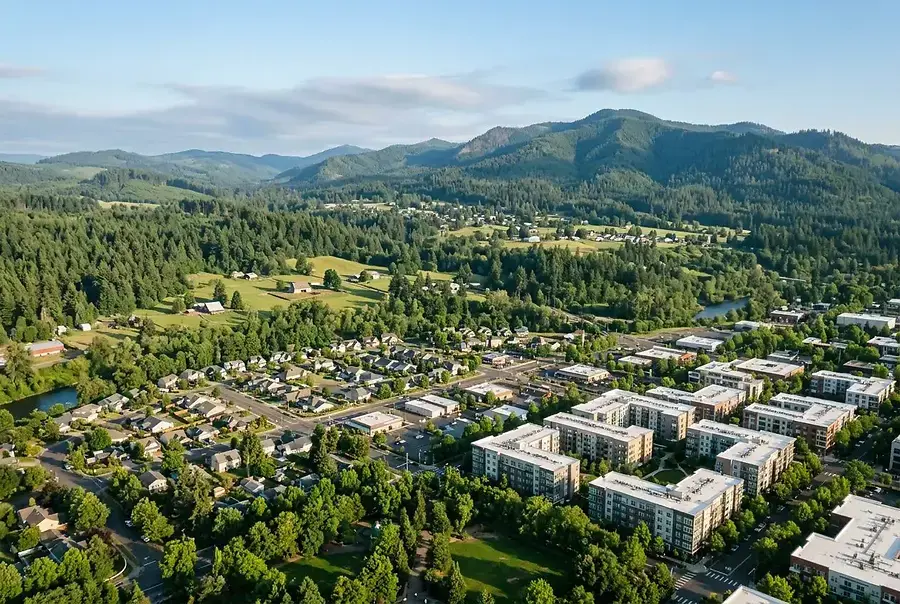
The Willamette Valley has emerged as one of Oregon's most dynamic real estate markets, attracting homebuyers and investors from across the region. Whether you're a first-time homebuyer, a seasoned investor, or a current homeowner curious about your property's value, understanding the local market conditions is essential. Eugene, Springfield, Sweet Home, and Oakridge each offer unique characteristics that influence their real estate landscapes, from urban amenities to rural charm.
This comprehensive guide explores the current home value trends across these four communities, examining recent appreciation patterns and the factors that shape property values in the Willamette Valley. By understanding these market dynamics, you can make more informed decisions about buying, selling, or investing in your local real estate market.
Market Analysis: Recent Home Values and Appreciation Trends by Community
Eugene: The Urban Hub
Eugene continues to lead the Willamette Valley market as the region's largest city and economic center. The city has experienced steady home value appreciation, driven by its vibrant downtown, strong job market, and cultural attractions. Recent data shows that median home values in Eugene have appreciated at a consistent rate, with particular strength in neighborhoods close to the University of Oregon and downtown corridors.
Key trends in Eugene include:
- Increased demand for walkable, urban neighborhoods
- Growth in the tech and healthcare sectors supporting property values
- Renovation and revitalization of historic neighborhoods
- Strong rental market supporting investment properties
Springfield: The Emerging Market
Springfield has positioned itself as an attractive alternative to Eugene, offering more affordable entry points while maintaining proximity to urban amenities. The community has seen notable appreciation in recent years as buyers seek value without sacrificing convenience. New residential developments and infrastructure improvements have bolstered market confidence in Springfield's long-term growth potential.
Springfield's market characteristics:
- More affordable median home prices compared to Eugene
- Growing commercial and retail development
- Improved transportation corridors enhancing accessibility
- Family-friendly neighborhoods attracting young professionals
Sweet Home: The Rural Retreat
Sweet Home offers a distinctly different market dynamic, appealing to those seeking a quieter lifestyle while maintaining reasonable access to larger communities. This charming town has experienced modest but steady appreciation, with properties often featuring larger lots and more land. The community's appeal lies in its natural beauty, outdoor recreation opportunities, and tight-knit community atmosphere.
Sweet Home market features:
- Larger properties and acreage options
- Lower median home prices with steady appreciation
- Strong appeal to retirees and remote workers
- Access to outdoor recreation and natural amenities
Oakridge: The Mountain Community
Oakridge represents the most rural option among these four communities, nestled in the foothills with exceptional access to outdoor recreation. While the market is smaller and less active than the other communities, Oakridge attracts buyers seeking mountain living and a slower pace of life. Property values here reflect the community's niche appeal and limited inventory.
Oakridge market dynamics:
- Specialized market for mountain and outdoor enthusiasts
- Limited inventory creating selective appreciation
- Lower median prices reflecting rural location
- Strong seasonal market fluctuations
Factors Influencing Property Values in the Willamette Valley
Economic Growth and Employment
The Willamette Valley's economic foundation significantly impacts real estate values. Eugene's diverse economy, anchored by the University of Oregon, healthcare institutions, and growing tech sectors, provides stable employment opportunities. Springfield benefits from proximity to Eugene while developing its own commercial base. These economic factors create demand for housing and support property appreciation across the region.
Population Trends and Migration
The region has attracted newcomers seeking Oregon's quality of life, outdoor access, and relatively affordable living compared to other West Coast markets. This population growth, particularly among young professionals and remote workers, has increased housing demand and supported appreciation. However, inventory constraints in some areas have created competitive markets.
Infrastructure and Accessibility
Transportation improvements, utilities expansion, and broadband development enhance property values across all four communities. Communities with better infrastructure connectivity and accessibility to services typically command higher values and experience stronger appreciation. The ongoing development of regional transportation corridors continues to influence market dynamics.
Natural Amenities and Lifestyle Factors
The Willamette Valley's natural beauty, outdoor recreation opportunities, and mild climate are significant value drivers. Properties with views, proximity to parks, trails, and natural areas command premiums. The region's environmental consciousness and sustainability focus also appeal to modern homebuyers, influencing property values positively.
Interest Rates and Financing Conditions
Like all real estate markets, the Willamette Valley responds to broader economic conditions, including interest rates and lending practices. Changes in financing availability and costs directly impact buyer purchasing power and market activity. Current market conditions reflect a balance between buyer demand and available inventory.
School Quality and Community Services
Educational institutions and community services remain critical value factors. Families prioritize neighborhoods with strong schools, parks, and recreational facilities. Communities investing in these amenities typically see stronger property appreciation and sustained demand.
Conclusion: Making Informed Decisions About Your Home Investment
The Willamette Valley's real estate market offers diverse opportunities across four distinct communities, each with unique characteristics and value propositions. Eugene provides urban sophistication and economic strength, Springfield offers emerging value and growth potential, Sweet Home delivers rural charm with steady appreciation, and Oakridge appeals to those seeking mountain living and outdoor recreation.
Whether you're buying, selling, or simply monitoring your home's value, understanding these market trends and underlying factors is essential. Consider your lifestyle preferences, investment goals, and long-term plans when evaluating properties in any of these communities. The best real estate decision is one that aligns with both your financial objectives and personal values.
For the most current information about specific properties and market conditions, consult with local real estate professionals who understand the nuances of each community. By staying informed about market trends and factors influencing property values, you can make confident decisions about your home investment in the beautiful Willamette Valley.