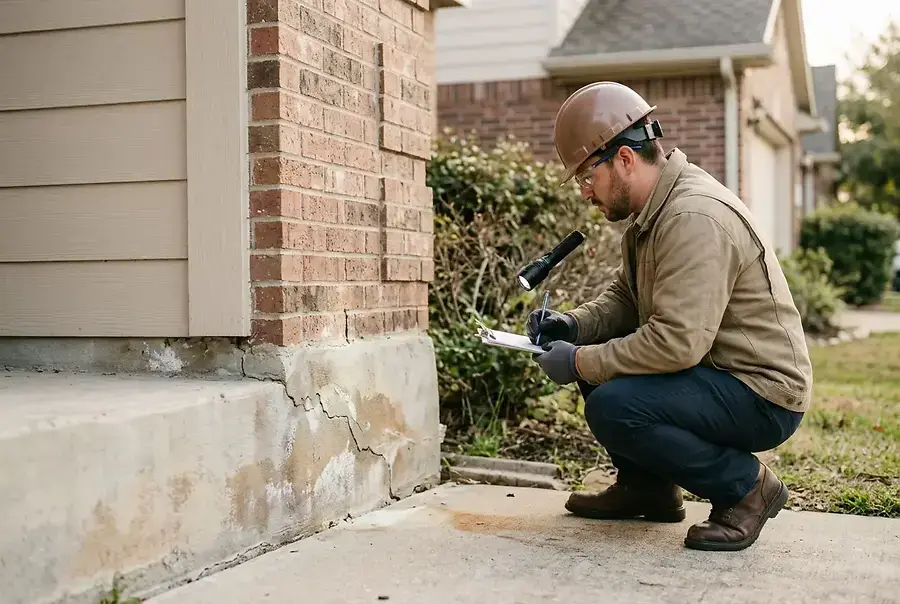
Why Home Inspections Matter in Houston's Real Estate Market
Purchasing a home is one of the most significant financial decisions you'll make in your lifetime. In Houston's competitive real estate market, where properties range from historic homes to modern developments, a thorough home inspection is not just recommended—it's essential. A professional inspection can uncover hidden problems that could cost thousands of dollars to repair after closing.
Houston's unique climate and geography present specific challenges for homeowners. The region's humidity, occasional flooding, and intense heat can accelerate wear and tear on properties. By understanding what to look for during an inspection, you empower yourself to make informed decisions and negotiate repairs or credits before finalizing your purchase.
A comprehensive home inspection protects your investment and provides peace of mind. It gives you leverage in negotiations and helps you understand the true condition of the property you're about to buy.
Essential Structural and Foundation Concerns in the Houston Area
Foundation Integrity
Houston's clay-heavy soil is prone to shifting and settling, making foundation issues a primary concern for homebuyers. During your inspection, look for:
- Visible cracks in the foundation or concrete slab
- Uneven or sloping floors inside the home
- Doors and windows that don't close properly
- Gaps between walls and the foundation
- Signs of water damage or moisture in the basement or crawl space
Foundation repairs can be expensive, so this is a critical area to evaluate carefully. If you notice significant issues, request a specialized foundation inspection from a structural engineer.
Roof and Exterior Condition
Houston's weather—including heavy rains, hail, and intense sun—takes a toll on roofing materials. Inspect the roof for:
- Missing, cracked, or curling shingles
- Sagging or uneven roof lines
- Deteriorated flashing around chimneys and vents
- Moss or algae growth indicating moisture retention
- Age of the roof (most roofs last 15-25 years)
The exterior walls, siding, and trim should also be examined for water damage, rot, and proper maintenance. These elements protect your home from Houston's humid climate.
Attic and Ventilation
Proper attic ventilation is crucial in Houston's hot, humid environment. Check for adequate ventilation, proper insulation levels, and signs of leaks or water damage. Poor ventilation can lead to mold growth and reduced energy efficiency.
Systems to Evaluate: HVAC, Plumbing, and Electrical Integrity
HVAC System Performance
Your heating, ventilation, and air conditioning system is vital in Houston's climate. During inspection, verify:
- The age and condition of the air conditioning unit
- Proper airflow throughout the home
- Thermostat functionality and accuracy
- Ductwork condition and proper sealing
- Regular maintenance records
A failing AC system in Houston is more than an inconvenience—it's a serious issue. Replacement costs can exceed $5,000, so understanding the system's condition is essential.
Plumbing System Assessment
Water-related issues are common in Houston properties. Inspect the plumbing system for:
- Water pressure and flow rate consistency
- Signs of leaks under sinks and around toilets
- Corrosion or deterioration of visible pipes
- Proper drainage in all fixtures
- Water heater age and condition
- Sump pump functionality (critical for flood-prone areas)
Ask about the water supply source and whether the home has been affected by flooding or water damage in the past. This information is crucial for understanding potential future risks.
Electrical System Safety
A safe electrical system is non-negotiable. During inspection, ensure:
- The electrical panel is properly labeled and accessible
- Adequate circuit capacity for modern appliances
- No outdated or dangerous wiring (such as knob-and-tube wiring)
- Proper grounding and bonding throughout the home
- GFCI outlets in bathrooms, kitchens, and outdoor areas
- Smoke and carbon monoxide detectors are present and functional
Electrical issues can pose serious safety risks and fire hazards. If the inspector identifies concerns, hire a licensed electrician for a detailed evaluation.
Additional Systems and Components
Don't overlook other important systems:
- Appliances: Verify that included appliances are in working order
- Windows and doors: Check for proper operation and weather sealing
- Insulation: Ensure adequate insulation for energy efficiency
- Pest damage: Look for signs of termites, rodents, or other pests
- Mold and moisture: Identify any mold growth or moisture issues
Empowering Yourself as an Informed Houston Homebuyer
A thorough home inspection is your opportunity to understand exactly what you're buying. By familiarizing yourself with these critical inspection points, you can ask informed questions and make confident decisions about your purchase.
Remember: A professional home inspector is your advocate. They work for you, not the seller, and their goal is to identify any issues that could affect your investment.
Before your inspection, research the inspector's qualifications and experience with Houston properties. Ask about their inspection process, what's included, and how they'll present their findings. Request a detailed written report that you can review carefully.
After receiving the inspection report, take time to understand the findings. Don't hesitate to ask your real estate agent or the inspector to clarify any concerns. Use the report as a negotiating tool—you may be able to request repairs, credits, or price reductions based on the inspector's findings.
Your home inspection is an investment in your future. By thoroughly evaluating the structural integrity, foundation condition, and essential systems of your potential Houston home, you're taking control of one of life's biggest decisions. Armed with this knowledge, you can move forward with confidence, knowing you've done your due diligence to protect your investment.