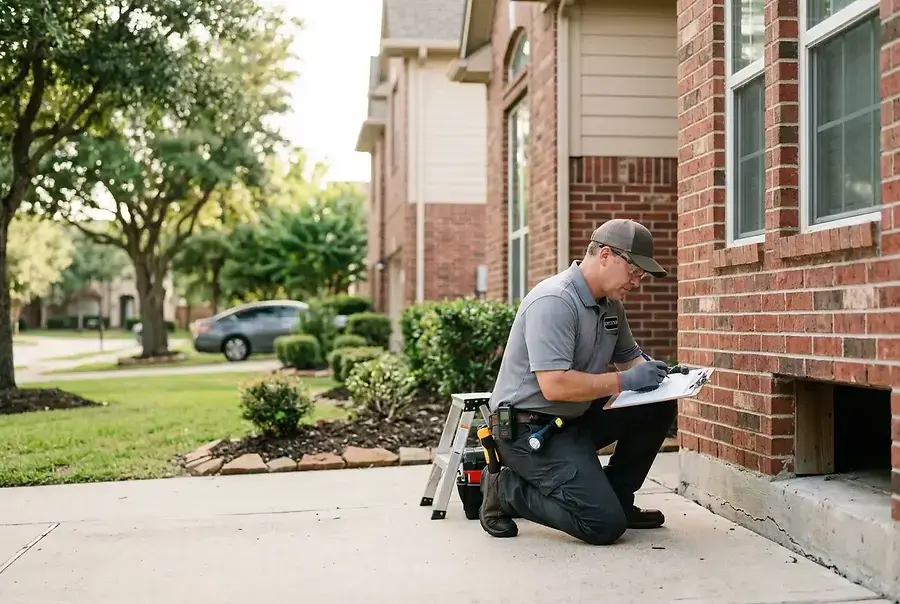
Why Home Inspections Matter in Houston
Purchasing a home is one of the most significant financial decisions you'll make in your lifetime. In Houston's competitive real estate market, a thorough home inspection serves as your first line of defense against hidden defects and costly repairs. A professional home inspection provides an objective assessment of a property's condition, giving you the knowledge needed to make informed decisions and negotiate effectively with sellers.
Houston's unique climate and geography present specific challenges for homeowners. The region's hot, humid weather, occasional flooding, and soil composition can create issues that aren't immediately visible to the untrained eye. Understanding what inspectors look for helps you ask the right questions and identify potential problems before they become expensive headaches.
Foundation and Structural Issues Common in Houston Properties
Why Houston Foundations Are Vulnerable
Houston's expansive clay soil is notorious for causing foundation problems. This soil expands when wet and contracts when dry, creating movement that can crack foundations and damage structures. Foundation issues are among the most expensive repairs a homeowner can face, making this inspection area critically important.
What Inspectors Look For
- Visible cracks in foundation walls, floors, and exterior walls—both horizontal and vertical cracks warrant attention
- Uneven or sloping floors that indicate settling or foundation movement
- Gaps between walls and ceilings or doors and frames that don't close properly
- Water damage or moisture intrusion in basements or crawl spaces
- Pier and beam condition in older homes, checking for rot, rust, or deterioration
What This Means for You
Minor cracks may be cosmetic, but significant foundation movement requires professional evaluation and potentially expensive repairs. During your inspection, ask the inspector to document all findings with photographs and detailed notes. This documentation becomes invaluable when negotiating repairs or credits with the seller.
HVAC, Plumbing, and Electrical Systems: What Inspectors Check
HVAC Systems in Houston's Climate
Houston's intense heat makes air conditioning systems work overtime. A properly functioning HVAC system is essential for comfort and energy efficiency. Inspectors evaluate:
- Age and condition of the air conditioning unit and furnace
- Proper refrigerant levels and system efficiency
- Ductwork integrity and insulation
- Thermostat functionality and calibration
- Maintenance records and service history
An aging AC unit in Houston may need replacement within a few years, which is a substantial expense to budget for. Understanding the system's age and condition helps you plan financially.
Plumbing System Evaluation
Water-related issues are among the most common and costly problems in Houston homes. Inspectors examine:
- Water pressure and flow rates throughout the home
- Pipe material and condition (galvanized, copper, PVC, or PEX)
- Signs of leaks, corrosion, or water damage
- Drain functionality and potential clogs
- Water heater age, condition, and capacity
- Sump pump operation in flood-prone areas
Older homes may have outdated plumbing that requires updating. Galvanized pipes, common in older Houston properties, often corrode and restrict water flow, necessitating replacement. Identifying these issues early allows you to negotiate repairs or credits.
Electrical System Safety
A safe electrical system is non-negotiable. Inspectors check:
- Panel condition and proper grounding
- Adequate circuit capacity for modern appliances
- Presence of GFCI outlets in wet areas
- Proper wiring and absence of fire hazards
- Functionality of outlets, switches, and light fixtures
Outdated electrical systems may lack sufficient capacity for modern living, requiring upgrades that can be expensive. Aluminum wiring, found in some older homes, poses fire risks and should be professionally evaluated.
Using Inspection Reports to Negotiate and Protect Your Purchase
Understanding Your Inspection Report
A comprehensive inspection report documents the property's condition in detail. Take time to review the report thoroughly and ask your inspector to explain any findings you don't understand. The report typically categorizes issues by severity:
- Critical issues that pose safety risks or require immediate attention
- Major concerns that will likely need repair within a few years
- Minor items that are cosmetic or low-priority
Negotiation Strategies
Armed with your inspection report, you have several options:
- Request repairs: Ask the seller to fix critical and major issues before closing
- Negotiate credits: Request a credit toward closing costs to handle repairs yourself
- Renegotiate price: Use significant findings to justify a lower purchase price
- Walk away: If issues are too extensive, you may choose to terminate the contract
Remember: Your inspection contingency period is your opportunity to thoroughly evaluate the property. Use this time wisely to gather all necessary information before making your final commitment.
Protecting Your Investment Long-Term
Beyond the initial purchase, use your inspection report as a maintenance guide for years to come. Address recommended repairs promptly to prevent small issues from becoming major problems. Keep detailed records of all maintenance and repairs, as this documentation adds value when you eventually sell.
A thorough home inspection is an investment in peace of mind. In Houston's real estate market, where foundation issues and climate-related challenges are common, understanding what inspectors evaluate empowers you to make confident decisions and protect your most valuable asset.