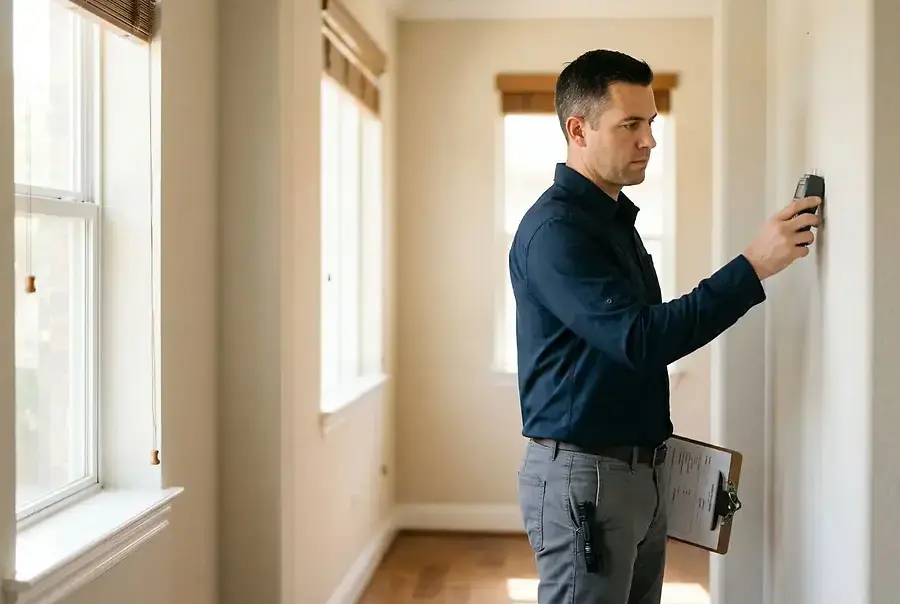
Why Property Inspections Matter in Houston
Purchasing a home in Houston represents one of the most significant financial decisions you'll make. With the city's competitive real estate market and unique climate challenges, a thorough property inspection is not just recommended—it's essential. A comprehensive inspection can reveal hidden issues that could cost thousands of dollars to repair, from water damage to structural problems that aren't visible to the untrained eye.
Houston's hot, humid climate and occasional flooding create specific vulnerabilities that buyers must understand. By investing in a professional inspection and knowing what to look for, you protect your investment and gain peace of mind before closing the deal.
Essential Structural and System Inspections to Prioritize
Foundation and Structural Integrity
Houston's clay-heavy soil can shift and settle, making foundation issues a primary concern. During your inspection, look for:
- Cracks in walls or ceilings – Both interior and exterior cracks warrant attention
- Uneven floors – Walk through the home and notice if floors slope or feel unstable
- Gaps between walls and windows or doors – These indicate foundation movement
- Basement or crawl space moisture – Signs of water intrusion or poor drainage
A professional inspector will use specialized equipment to assess foundation stability and recommend whether repairs are needed before purchase.
Roof and Attic Conditions
Houston's intense sun and occasional severe weather make roof inspection critical. Verify:
- Roof age and remaining lifespan – Most roofs last 20-25 years in Houston's climate
- Missing, cracked, or curling shingles – Signs of deterioration and potential leaks
- Proper ventilation and insulation – Essential for managing heat and moisture
- Flashing around chimneys and vents – Common sources of water leaks
Don't skip the attic inspection—it reveals moisture problems, pest damage, and ventilation issues that affect your home's longevity.
HVAC and Plumbing Systems
Given Houston's heat, a functioning air conditioning system is non-negotiable. Ensure:
- AC unit age and efficiency – Older units may need replacement soon
- Proper refrigerant levels and system performance – Test the system during inspection
- Plumbing integrity – Check for leaks, corrosion, and water pressure issues
- Water heater condition – Verify age and functionality
Request documentation of recent maintenance and repairs to understand the systems' condition better.
Electrical Systems
Outdated electrical systems pose safety risks and may not support modern appliances. Inspect:
- Panel capacity and condition – Ensure it meets current electrical demands
- Grounding and bonding – Critical for safety
- Outlet and switch functionality – Test throughout the home
- Presence of aluminum wiring – An outdated and potentially hazardous material
Environmental and Regional Concerns Specific to the Houston Area
Flooding and Water Damage Risk
Houston's location near the Gulf Coast and its flat terrain make flooding a legitimate concern. During inspection, assess:
- Property elevation relative to surrounding areas – Lower properties face higher flood risk
- Drainage systems and grading – Water should flow away from the foundation
- Evidence of previous water damage – Stains, mold, or musty odors indicate past flooding
- Flood zone designation – Verify the property's FEMA flood zone status
Pro tip: Ask the seller directly about any flooding history and request documentation. This transparency is crucial for making an informed decision.
Mold and Moisture Issues
Houston's humid climate creates ideal conditions for mold growth. Look for:
- Visible mold or mildew – Particularly in bathrooms, basements, and attics
- Musty odors – Often indicate hidden moisture problems
- Water stains on ceilings or walls – Signs of past or ongoing leaks
- Proper ventilation in wet areas – Bathrooms and kitchens need adequate exhaust systems
Consider hiring a specialized mold inspector if you suspect significant issues, as remediation can be expensive.
Pest and Termite Inspections
Houston's warm climate attracts various pests, particularly termites. Ensure your inspection includes:
- Termite damage assessment – Look for hollow-sounding wood and mud tubes
- Evidence of other pests – Rodents, cockroaches, and fire ants are common in the area
- Pest control history – Ask about previous treatments and ongoing prevention
Soil and Subsurface Conditions
Houston's clay soil can cause unique problems. Verify:
- Soil stability and settlement patterns – Clay soil expands and contracts with moisture
- Radon levels – Though less common in Houston, testing is still recommended
- Underground storage tanks – Older homes may have abandoned tanks that pose environmental risks
Making Informed Decisions with Inspection Results
Once you receive the inspection report, don't panic if issues are found—most homes have some concerns. Instead, prioritize problems by severity and cost. Critical issues like foundation damage or roof leaks require immediate attention and should factor heavily into your negotiation. Minor issues like cosmetic damage or routine maintenance can often be addressed after purchase.
Use the inspection report as a negotiation tool. Request that the seller make repairs, offer a credit toward closing costs, or adjust the purchase price accordingly. In Houston's competitive market, having a detailed inspection report strengthens your position in negotiations.
Remember, a professional home inspector is your advocate. They provide an objective assessment that protects your interests and helps you make a confident, informed decision. By thoroughly understanding what to verify during a property inspection, you're taking the most important step toward a successful home purchase in Houston.