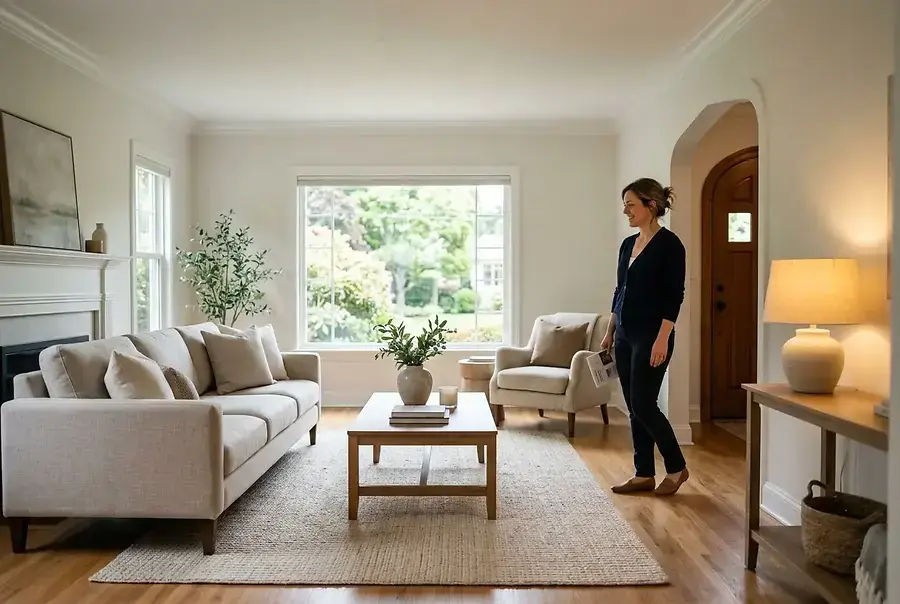
Why Layout and Functionality Matter More Than You Think
When potential buyers walk through your home, they're not just evaluating the walls and fixtures—they're envisioning their future in the space. The layout and arrangement of your home can make or break a sale. A well-organized, functional layout speaks volumes about how the home will serve their lifestyle, while a cluttered or poorly arranged space can leave them feeling confused and disconnected.
Real estate experts consistently report that homes with optimized layouts sell faster and at higher prices than comparable properties with poor flow. Buyers today are looking for homes that feel spacious, welcoming, and easy to navigate. They want to imagine themselves living comfortably in each room, and your job is to make that vision as clear as possible.
The psychology of space is powerful. When rooms feel open and purposeful, buyers experience less stress and more excitement about the property. This emotional connection is often what tips the scales in your favor when competing with other listings.
Proven Techniques for Optimizing Room Flow and Buyer First Impressions
Create Clear Pathways and Open Sightlines
The moment buyers enter your home, they should be able to move freely without obstacles. Remove excess furniture that blocks natural pathways through rooms. Arrange seating and pieces to create clear lines of sight, allowing visitors to see the full dimensions of each space at a glance.
- Remove or minimize furniture in entryways and hallways
- Arrange living room seating to face the room's focal point (fireplace, window, or TV wall)
- Keep kitchen islands and dining tables positioned to allow easy circulation
- Ensure bedroom layouts don't feel cramped or cluttered
Define Spaces with Purpose
Each room should have a clear, identifiable purpose. Buyers need to understand how they'll use each space, and ambiguous rooms can create confusion. If you have a den, office, or bonus room, arrange it to clearly demonstrate its function.
For example, a spare bedroom should look like a bedroom with a bed as the focal point, not a storage room or workout space. A dining area should feature a dining table, even if it's smaller than your current one. This clarity helps buyers mentally move into the space and plan their own furniture arrangements.
Maximize the Perception of Space
Even smaller homes can feel spacious with the right arrangement. Use these tactics to make rooms feel larger:
- Float furniture away from walls to create a sense of openness
- Use smaller-scale furniture pieces that don't overwhelm the room
- Remove unnecessary items and keep surfaces clear
- Arrange furniture to create distinct zones without blocking sightlines
- Use mirrors strategically to reflect light and create depth
Highlight Your Home's Best Features
Every home has unique selling points—whether it's architectural details, views, or natural light. Arrange your furniture to draw attention to these features. If you have large windows with a view, position seating to face them. If you have crown molding or built-in shelving, keep walls clear so these details shine.
Avoid blocking fireplaces, bay windows, or other architectural elements with furniture. Instead, arrange pieces to complement and showcase these features as focal points.
Strategic Lighting, Color, and Furniture Placement That Sells
Lighting: The Secret Weapon
Proper lighting can transform a space from dull to dazzling. Layer your lighting with ambient, task, and accent options to create warmth and depth. Open all curtains and blinds during showings to maximize natural light, which makes spaces feel larger and more inviting.
Ensure all light fixtures work properly and consider adding additional lamps to brighten darker corners. Warm-toned bulbs create a welcoming atmosphere, while harsh fluorescent lighting can make spaces feel cold and uninviting.
Color Psychology in Furniture Arrangement
The colors you choose for your furniture and decor influence buyer perception. Neutral tones like beige, gray, and soft whites create a blank canvas that allows buyers to imagine their own style in the space. While you don't need to remove all color, avoid bold or trendy hues that might clash with a buyer's preferences.
Use color strategically to highlight focal points. A neutral sofa with colorful accent pillows draws the eye without overwhelming the room. Keep bedroom furniture in calming, neutral tones to promote relaxation.
Furniture Scale and Proportion
Oversized furniture can make rooms feel cramped, while undersized pieces can make spaces feel empty. Choose furniture that's appropriately scaled to your room dimensions. A massive sectional might look impressive in a showroom, but it can make a living room feel suffocating.
In smaller homes, consider temporarily replacing large furniture pieces with appropriately sized alternatives during the selling process. This investment often pays for itself through faster sales and higher offers.
Declutter and Depersonalize
Remove personal photos, collections, and excessive decor. Buyers need to see themselves in your home, not your life. Keep decorative items minimal and tasteful. This also makes rooms feel larger and less cluttered.
"A home that feels spacious, organized, and purposeful is a home that sells. Your layout is your first and most powerful marketing tool."
Transform Your Home's Layout Into a Competitive Selling Advantage
The arrangement of your home is not a minor detail—it's a fundamental factor in attracting buyers and closing faster. By optimizing room flow, highlighting your home's best features, and using strategic lighting and furniture placement, you create an environment where buyers can envision their future.
Start with these key takeaways:
- Clear pathways and open sightlines make homes feel larger and more welcoming
- Define each room's purpose clearly to help buyers understand how they'll use the space
- Use appropriately scaled furniture and strategic lighting to maximize appeal
- Highlight architectural features and views through thoughtful arrangement
- Keep colors neutral and decor minimal to allow buyers to imagine their own style
The effort you invest in arranging your home strategically will pay dividends. Homes with optimized layouts don't just sell faster—they often sell for more. By mastering the art of space arrangement, you're not just preparing your home for sale; you're creating an emotional connection that turns browsers into buyers.