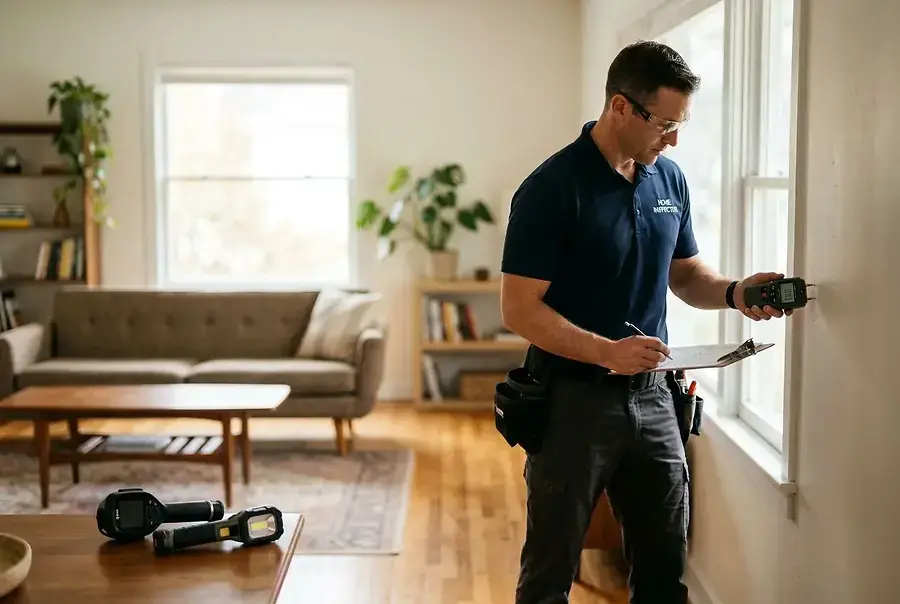
Understanding the Home Inspection Process
Purchasing a home is one of the most significant financial decisions you'll make in your lifetime. Before committing to an offer, it's crucial to understand what a professional home inspection entails and why it matters. A comprehensive home inspection typically takes two to three hours and involves a licensed inspector examining the property's major systems and structural components.
The inspection process begins with an exterior evaluation, including the roof, foundation, siding, and landscaping. The inspector then moves indoors to assess the interior systems, such as plumbing, electrical, HVAC, and appliances. Understanding this process helps you know what to expect and what questions to ask your inspector.
Why Professional Inspections Matter
While it might be tempting to skip a professional inspection to save money, this is a false economy. A trained inspector can identify issues that untrained eyes would miss, potentially saving you tens of thousands of dollars in future repairs. Many buyers make their offers contingent on a satisfactory home inspection, giving them the opportunity to renegotiate or walk away if serious problems are discovered.
Key Structural and Systems to Evaluate
Foundation and Structural Integrity
The foundation is the backbone of any home. During inspection, look for:
- Cracks in the foundation – Small hairline cracks are normal, but larger cracks or those that are widening may indicate serious problems
- Water damage or moisture – Signs of water intrusion in basements or crawl spaces suggest drainage issues
- Uneven floors – Walking through the home and noticing sloping or uneven flooring can indicate foundation settlement
- Gaps between walls and doors – These may suggest structural movement
Roof and Exterior
The roof is one of the most expensive components to replace. Your inspector should evaluate:
- Age and condition of roofing materials
- Signs of leaks, missing shingles, or deterioration
- Proper ventilation and flashing around chimneys and vents
- Gutters and downspouts for proper drainage
- Exterior siding, windows, and doors for damage or rot
Plumbing Systems
Water-related issues can be costly and difficult to remediate. Key inspection points include:
- Water pressure and flow – Test all fixtures to ensure adequate water pressure
- Pipe material and condition – Older homes may have outdated piping that needs replacement
- Signs of leaks – Look for water stains, mold, or corrosion under sinks and around toilets
- Septic or sewer systems – Ensure proper function and no backups
Electrical Systems
Electrical issues pose safety risks and can be expensive to fix. Inspectors should check:
- The age and condition of the electrical panel
- Proper grounding and adequate circuit capacity
- GFCI outlets in bathrooms and kitchens
- Signs of outdated wiring that may need upgrading
HVAC and Climate Control
Heating and cooling systems are essential for comfort and can be costly to replace. Evaluate:
- Age and condition of furnace and air conditioning units
- Proper ductwork and insulation
- Thermostat functionality
- Regular maintenance history
Common Red Flags to Watch For
Mold and moisture issues are among the most serious problems. Look for discoloration, musty odors, or visible mold growth, particularly in basements, attics, and bathrooms. Pest infestations can also be costly to address. Signs include droppings, damaged wood, or visible insects.
Asbestos and lead paint are health hazards commonly found in older homes. While their presence doesn't necessarily mean you shouldn't buy the home, remediation costs should be factored into your decision. Poor ventilation in attics or crawl spaces can lead to moisture problems and reduced insulation effectiveness.
Negotiating Repairs and Credits After Inspection
Understanding Your Options
Once the inspection is complete and you've reviewed the report, you have several options. You can request that the seller make repairs before closing, ask for a credit toward closing costs to handle repairs yourself, or renegotiate the purchase price based on the inspection findings.
Prioritizing Issues
Not every issue discovered during inspection requires negotiation. Focus on major systems and structural concerns that could affect the home's safety, value, or livability. Minor cosmetic issues or routine maintenance items are typically the buyer's responsibility after purchase.
Getting Contractor Estimates
Before negotiating, obtain written estimates from licensed contractors for significant repairs. This gives you concrete numbers to present to the seller and strengthens your negotiating position. Sellers are more likely to take your requests seriously when backed by professional estimates.
Being Reasonable in Negotiations
Remember that sellers are often emotionally invested in their homes. Approach negotiations professionally and reasonably. Requesting the seller fix every minor issue discovered may cause them to withdraw from the deal or become defensive. Focus on legitimate concerns that affect the property's value and safety.
Conclusion: Making an Informed Purchase Decision
Assessing a residential property's condition before making an offer is not just a smart financial move—it's essential due diligence. By understanding the home inspection process, knowing which systems and structures to evaluate, and recognizing red flags, you position yourself to make an informed decision.
A professional home inspection is an investment that typically costs between $300 and $500 but can save you thousands in unexpected repairs. Don't let the allure of a beautiful home or competitive market pressure you into skipping this critical step. Take your time, ask questions, and trust the expertise of licensed professionals. Your future self will thank you for the diligence you exercise today.