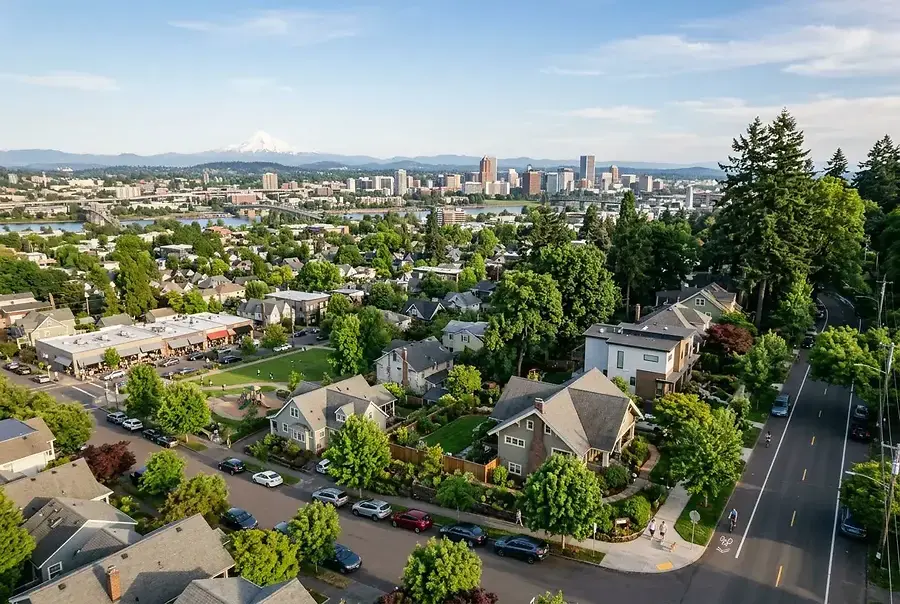
Why Neighborhood Selection Matters in Your Home Purchase
Selecting the right neighborhood is one of the most important decisions you'll make when purchasing a home. Your neighborhood impacts not just your daily quality of life, but also your property's long-term value and resale potential. In the Portland Metro area, which spans from the urban core to suburban communities and beyond, the diversity of neighborhoods means there's truly something for everyone—but finding your perfect fit requires careful consideration.
The Portland Metro region offers an incredible range of living experiences. Whether you're drawn to the vibrant urban lifestyle of downtown Portland, the family-friendly suburbs of Lake Oswego, or the outdoor-focused communities of Bend, understanding what each area offers is essential. This guide will help you navigate the key factors that should influence your neighborhood decision.
Key Factors to Evaluate: Schools, Commute, and Local Amenities Across Portland Metro Communities
School Districts and Educational Quality
For families with children, school quality is often the primary neighborhood consideration. Portland Metro is home to several highly-rated school districts, each with distinct strengths. Research school ratings, test scores, and graduation rates, but also consider the culture of the schools—visit campuses, talk to current parents, and attend school board meetings if possible.
- West Linn-Wilsonville School District: Consistently ranked among Oregon's top districts with excellent academic programs
- Lake Oswego School District: Known for rigorous academics and strong community involvement
- Beaverton School District: Offers diverse programs and serves a large, multicultural population
- Portland Public Schools: Urban district with specialized programs and magnet schools
Even if you don't have school-age children, strong school districts typically indicate well-maintained neighborhoods and higher property values.
Commute Times and Transportation
Your daily commute significantly affects your quality of life. Consider not just distance, but actual travel time during peak hours. Portland Metro's traffic patterns vary dramatically by location and time of day. Use mapping tools to check commute times from potential neighborhoods to your workplace during rush hour, not just off-peak times.
Also evaluate public transportation options. TriMet's MAX light rail, bus system, and WES commuter rail provide excellent alternatives to driving in many areas. Neighborhoods with good transit access offer flexibility and can reduce transportation costs over time.
Community Amenities and Lifestyle
Think about how you want to spend your free time. Portland Metro neighborhoods offer vastly different amenities:
- Parks and Recreation: Access to hiking trails, parks, and outdoor spaces
- Shopping and Dining: Walkable commercial districts versus car-dependent retail areas
- Cultural Activities: Museums, theaters, galleries, and community events
- Fitness and Wellness: Gyms, yoga studios, and wellness centers
- Nightlife and Entertainment: Restaurants, breweries, and social venues
Walk around potential neighborhoods at different times of day. Notice the energy, cleanliness, and whether you see families, young professionals, or retirees. This gives you a real sense of whether the community matches your lifestyle.
Comparing Popular Areas: From Lake Oswego to Bend and Everything Between
Lake Oswego
Lake Oswego is synonymous with upscale suburban living. This community offers excellent schools, beautiful parks, and a strong sense of community. The downtown area features charming shops and restaurants. However, expect higher home prices and a more conservative atmosphere. The commute to downtown Portland is manageable but can be lengthy during peak hours.
Beaverton and Hillsboro
These westside communities offer more affordable options than Lake Oswego while maintaining good schools and amenities. Beaverton has a vibrant downtown with farmers markets and local businesses. Hillsboro, home to major tech companies, offers employment opportunities and a growing cultural scene. Both areas have good MAX light rail access.
Northeast Portland
Neighborhoods like Irvington, Beaumont-Wilshire, and Montavilla offer urban living with character. These areas feature walkable streets, local coffee shops, breweries, and restaurants. They attract young professionals and creative types. Expect smaller homes, street parking, and a more bohemian vibe. Schools vary in quality, so research carefully.
Tigard and Milwaukie
These communities south of Portland offer suburban living with good transit connections via MAX. Tigard has a downtown revitalization underway, while Milwaukie offers a small-town feel with urban access. Both are more affordable than Lake Oswego and offer solid schools and parks.
Bend
For those seeking outdoor recreation and a smaller-town atmosphere, Bend is increasingly popular. Known for skiing, mountain biking, and outdoor activities, Bend attracts outdoor enthusiasts. However, it's a 3+ hour drive from Portland, making it suitable primarily for remote workers or those relocating entirely. Home prices have risen significantly as the area has grown.
Gresham and Troutdale
East of Portland, these communities offer more affordable housing and are experiencing revitalization. Gresham has a developing downtown and good MAX access. These areas appeal to budget-conscious buyers and those working on the east side.
Making Your Neighborhood Decision with Confidence
Choosing a neighborhood requires balancing multiple factors. Create a priority list of what matters most to you: schools, commute, walkability, affordability, outdoor access, or cultural amenities. Recognize that no neighborhood is perfect—you're looking for the best fit for your current life stage and priorities.
Visit neighborhoods multiple times at different hours and seasons. Talk to current residents. Drive through on weekday mornings and weekend evenings. This immersion helps you envision your daily life there.
Work with a knowledgeable real estate agent familiar with Portland Metro who can provide insights into neighborhood trends, future development, and community dynamics. They can also help you understand how neighborhood selection impacts your investment.
Finally, remember that neighborhoods evolve. The area you choose today may look different in five or ten years. Select a neighborhood where you'll be happy living now, while also considering its long-term trajectory and your potential future needs.
The Portland Metro area's diversity means there's a neighborhood for nearly every lifestyle and budget. By carefully evaluating schools, commute times, and amenities, you'll find the community where you truly belong.