Understanding Key Property Evaluation Factors
Before you fall in love with a property and make an offer, it's essential to conduct a thorough evaluation. The difference between a smart purchase and a costly mistake often comes down to how carefully you assess the property during the initial stages. A comprehensive evaluation protects your investment and ensures you're paying a fair price for what you're getting.
The first step in property evaluation is understanding what factors matter most. Location, condition, age, and market comparables form the foundation of any solid assessment. Start by researching the neighborhood thoroughly. Walk around at different times of day, talk to neighbors, and understand the area's growth trajectory. Is the neighborhood appreciating or declining? Are there planned developments or infrastructure improvements coming?
The Importance of Professional Inspection
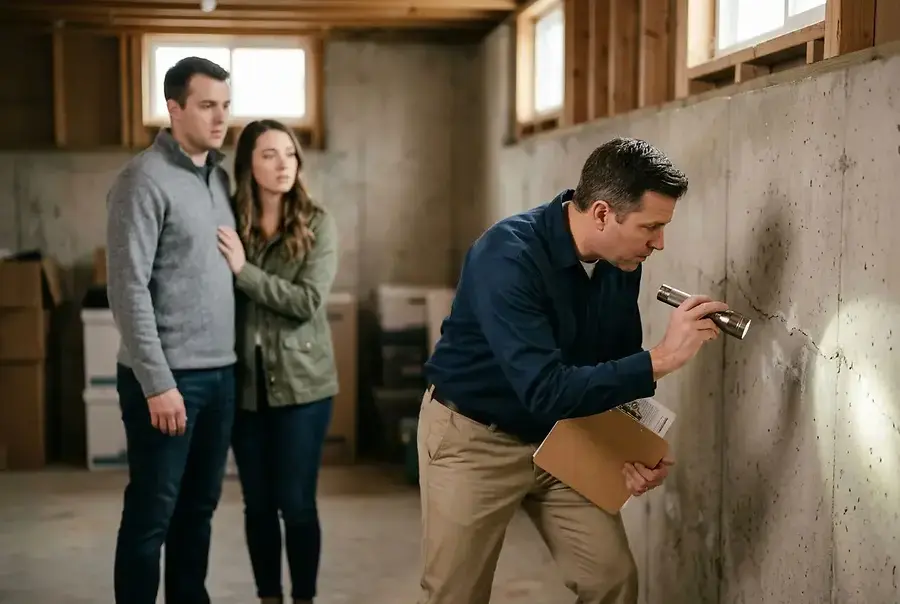
Never skip the professional home inspection. This is your opportunity to uncover hidden problems that could cost thousands to repair. A qualified inspector will examine the roof, foundation, plumbing, electrical systems, HVAC, and more. They'll provide a detailed report that gives you concrete information about the property's condition.
During the inspection, pay special attention to any red flags such as water damage, mold, pest infestations, or outdated systems. These issues can significantly impact your offer price or whether you should walk away entirely. Ask your inspector questions and request clarification on any concerns they identify.
Assessing Structural Integrity and Systems
The structural integrity of a home is paramount. Foundation problems, roof damage, or failing systems can quickly turn a bargain into a financial burden. Understanding how to evaluate these critical components will help you make an informed decision.
Foundation and Structural Elements
The foundation is literally what everything else rests on. Look for:
- Cracks in the foundation or basement walls
- Signs of settling or uneven floors
- Water intrusion or moisture problems
- Gaps between walls and the foundation
Minor cracks are normal in older homes, but large or expanding cracks warrant professional evaluation. Foundation repairs can cost $10,000 to $100,000+, so this is critical to assess accurately.
Roof, Plumbing, and Electrical Systems
These three systems are essential to daily living and can be expensive to replace or repair. For the roof, determine its age and remaining lifespan. Most roofs last 20-25 years, so a roof nearing the end of its life should factor into your offer price.
Plumbing issues might include:
- Outdated galvanized pipes (prone to corrosion)
- Slow drains or water pressure problems
- Evidence of leaks or water damage
- Outdated fixtures requiring replacement
For electrical systems, look for outdated panels, insufficient outlets, or signs of amateur work. Knob-and-tube wiring or aluminum wiring in older homes can be fire hazards and may require complete replacement.
HVAC and Energy Efficiency
Heating and cooling systems are major expenses. Ask about the age of the furnace and air conditioning unit. Systems typically last 15-20 years. Additionally, evaluate the home's energy efficiency by checking insulation, window condition, and weatherproofing. Energy-efficient homes have lower utility costs and greater appeal to future buyers.
Comparing Market Value and Pricing Strategy
Understanding what a property is truly worth in the current market is crucial for making a competitive yet fair offer. This is where data-driven analysis becomes your greatest asset.
Conducting a Comparative Market Analysis
Comparable sales (comps) are your best tool for determining fair market value. Look at similar properties in the same neighborhood that have sold recently—ideally within the last 3-6 months. Compare properties with similar:
- Square footage
- Number of bedrooms and bathrooms
- Age and condition
- Lot size
- Special features or amenities
Adjust prices up or down based on differences. A property with an updated kitchen might command a premium, while one needing major repairs should be valued lower. Your real estate agent can provide this data, or you can research it yourself through public records and real estate websites.
Understanding Market Conditions
Is it a buyer's market or seller's market? In a buyer's market, there are more homes for sale than buyers, giving you negotiating power. In a seller's market, competition is fierce and prices are higher. Understanding current conditions helps you set realistic expectations for your offer.
A well-researched offer based on solid data is far more likely to be accepted and protect your financial interests than an emotional bid based on how much you love the home.
Making Confident Offers Based on Your Analysis
Once you've completed your evaluation, you're ready to make an informed offer. This is where all your research and analysis come together to create a strategic advantage.
Determining Your Offer Price
Your offer should be based on three key factors: the property's condition, comparable sales data, and current market conditions. If the inspection revealed significant issues, use repair estimates to justify a lower offer. Don't let emotions override data—stick to what the numbers tell you the property is worth.
Building in Contingencies
Protect yourself by including contingencies in your offer:
- Inspection contingency: Allows you to renegotiate or walk away if major issues are found
- Appraisal contingency: Protects you if the appraisal comes in lower than your offer price
- Financing contingency: Gives you time to secure a mortgage
These contingencies are standard and protect your interests throughout the purchase process.
Negotiation Strategy
Your initial offer should reflect the property's true value based on your analysis. Be prepared to negotiate, but don't exceed what the data supports. If the seller counters, use your inspection findings and comparable sales data to justify your position. Stay professional and focused on facts rather than emotions.
Remember, making an offer is just the beginning. Your thorough evaluation gives you the confidence and information needed to negotiate effectively and make a purchase decision that makes financial sense for years to come.