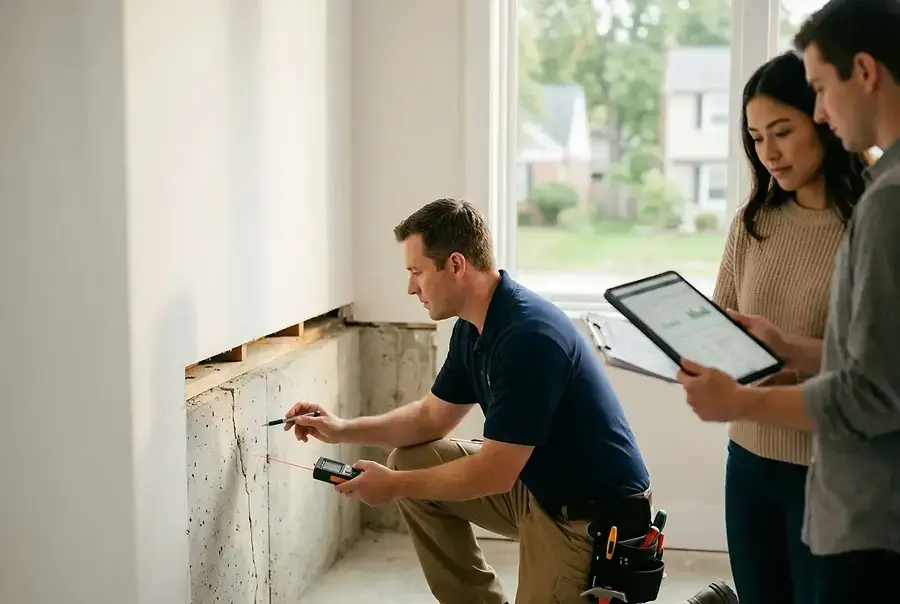
Understanding Property Inspection Essentials
Before you commit to purchasing a residential property, a thorough inspection is your first line of defense against hidden problems and unexpected expenses. A professional home inspection examines the structural integrity, mechanical systems, and overall condition of the property, providing you with a detailed report of any issues that may require attention.
What to Look for During Inspection
Start by examining the foundation and structural elements. Look for cracks in the foundation, water damage, or signs of settling. The roof is equally important—check its age, condition, and whether it needs replacement soon. Plumbing and electrical systems should be evaluated for safety and functionality, as repairs to these systems can be costly.
- Foundation cracks and water intrusion
- Roof condition and remaining lifespan
- HVAC system functionality and age
- Plumbing issues and water pressure
- Electrical panel safety and capacity
- Insulation and ventilation adequacy
- Signs of pest damage or mold
Don't overlook the interior details. Check windows and doors for proper sealing, inspect walls for water stains or cracks, and test all appliances included in the sale. A professional inspector will provide documentation of everything, which you can use to negotiate repairs or price adjustments.
Hiring the Right Inspector
Choose a certified and insured home inspector with experience in your local area. They should be a member of professional organizations and have access to specialized equipment for detecting issues invisible to the naked eye. Ask for references and review past inspection reports to understand their thoroughness.
Comparing Market Values and Neighborhood Factors
Understanding the true market value of a property requires analyzing comparable sales, current market conditions, and neighborhood dynamics. This research prevents you from overpaying and helps you make a competitive offer.
Conducting a Comparative Market Analysis
A Comparative Market Analysis (CMA) examines recently sold properties similar to the one you're considering. Look at homes with comparable square footage, age, condition, and location that sold within the last three to six months. This data reveals whether the asking price is reasonable or inflated.
- Recently sold comparable properties in the area
- Current listings and their asking prices
- Days on market for similar properties
- Price per square foot trends
- Market conditions (buyer's vs. seller's market)
Real estate agents and online platforms can provide this information, but professional appraisers offer the most objective analysis. Their appraisal will be required by your lender anyway, so understanding their methodology helps you anticipate the final valuation.
Evaluating Neighborhood Characteristics
The neighborhood significantly impacts both your quality of life and the property's future value. Research school quality, crime rates, employment opportunities, and proximity to amenities like parks, shopping, and public transportation. Visit the neighborhood at different times of day to get a genuine feel for the area.
Consider future development plans. Is the neighborhood experiencing growth and revitalization, or is it declining? Check with local planning departments for upcoming projects that might affect property values positively or negatively.
A great property in a declining neighborhood may not appreciate as expected, while a modest home in a thriving area could yield strong returns.
Assessing Long-Term Investment Potential
Beyond the immediate purchase, evaluate whether this property aligns with your long-term financial goals and lifestyle needs.
Analyzing Appreciation Potential
Research historical appreciation rates in the neighborhood. Properties in areas with consistent appreciation tend to be safer investments. Look at economic indicators like job growth, population trends, and infrastructure development. Areas with strong fundamentals typically see steady property value increases over time.
Consider the property's flexibility and appeal. A home with broad market appeal will be easier to sell or rent in the future. Unique or highly personalized properties may limit your buyer pool when you eventually sell.
Calculating Total Cost of Ownership
Don't focus solely on the purchase price. Calculate property taxes, insurance, maintenance costs, and potential HOA fees. Older homes typically require more maintenance, while newer constructions may have warranty coverage. Budget for unexpected repairs—a general rule is to set aside one percent of the home's value annually for maintenance.
- Annual property taxes
- Homeowners insurance premiums
- HOA or condo fees
- Estimated annual maintenance costs
- Utility expenses
- Potential special assessments
If you're considering rental income potential, research local rental rates and vacancy rates. This helps determine whether the property could generate positive cash flow if needed.
Making a Confident Offer Based on Your Findings
Armed with inspection results, market data, and investment analysis, you're ready to make an informed offer that reflects the property's true value.
Using Inspection Findings in Negotiations
If the inspection reveals significant issues, use this information strategically. You have three options: request repairs before closing, ask for a price reduction, or request a credit at closing to handle repairs yourself. Get repair estimates from contractors to support your negotiation requests with concrete numbers.
Be reasonable in your requests. Minor cosmetic issues shouldn't derail a good deal, but structural problems or major system failures warrant serious negotiation.
Crafting Your Offer
Base your offer on the CMA analysis, not the asking price. Include contingencies for inspection, appraisal, and financing to protect yourself. These contingencies allow you to renegotiate or withdraw if problems arise. Set a reasonable inspection period—typically 7-10 days—to complete your evaluation.
Consider the market conditions. In a buyer's market, you have more negotiating power. In a seller's market, a competitive offer with fewer contingencies may be necessary to win the deal. Balance your financial protection with market realities.
Final Verification Steps
Before closing, conduct a final walkthrough to ensure agreed-upon repairs were completed and the property's condition hasn't changed. Verify that all systems are functioning and that the property matches the inspection report.
Review all closing documents carefully, including the title report, to ensure there are no liens or ownership issues. Your real estate attorney or title company should handle this verification, but staying informed protects your interests.
Evaluating residential properties thoroughly takes time and effort, but it's an investment in your financial security. By mastering inspection techniques, understanding market values, assessing long-term potential, and negotiating strategically, you'll make confident decisions that protect your investment and set the foundation for successful homeownership.