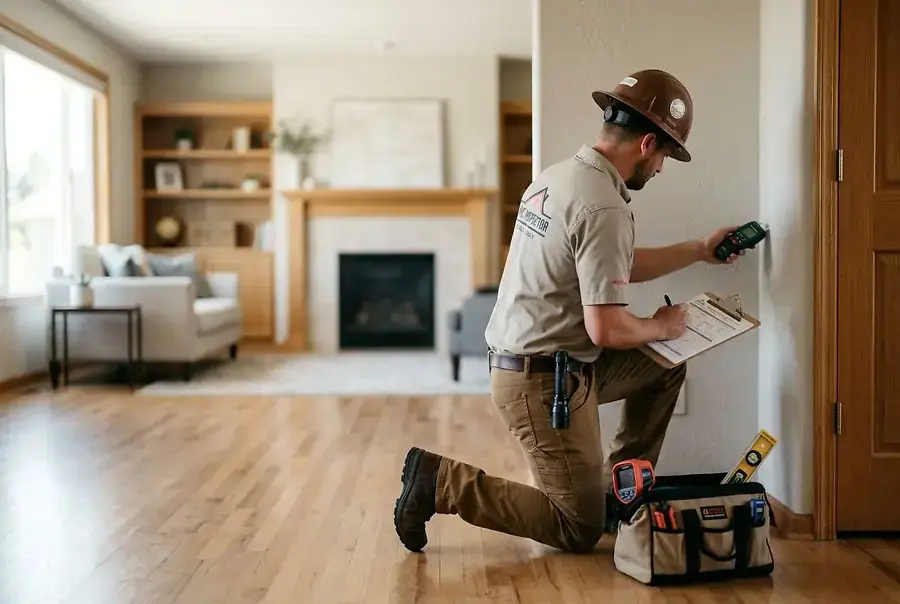
Understanding the Residential Inspection Process
Purchasing a residential property is one of the most significant financial decisions you'll make in your lifetime. Before signing on the dotted line, understanding the inspection process is crucial to protecting your investment. A thorough property inspection goes beyond a quick walkthrough—it's a comprehensive evaluation of the home's structural integrity, systems, and overall condition.
The inspection process typically involves hiring a certified home inspector who will spend 2-4 hours examining your potential property. These professionals have the training and tools to identify issues that untrained eyes might miss. The goal is to uncover any problems that could affect the property's value, safety, or your long-term ownership costs.
Understanding what inspectors look for helps you ask better questions and make informed decisions. Rather than relying solely on the seller's representations, you gain objective insight into the property's true condition. This knowledge empowers you to negotiate repairs, request credits, or walk away if issues are too severe.
Key Areas to Assess in Your Property Evaluation
Foundation and Structural Components
The foundation is the backbone of any home. Inspectors examine the basement or crawl space for cracks, water damage, and signs of settling. Even small cracks can indicate serious structural problems that require expensive repairs. Look for horizontal cracks, which are more concerning than vertical ones, and check for water stains or moisture that suggest drainage issues.
The home's framing, support beams, and load-bearing walls are also critical. Any signs of rot, insect damage, or improper repairs should raise red flags. These structural issues can compromise the entire home's integrity and safety.
Roofing and Exterior
Your roof is your home's first line of defense against the elements. Inspectors assess the roof's age, condition, and remaining lifespan. A roof nearing the end of its life can cost $10,000-$25,000 to replace, so understanding its condition is essential for budgeting.
The exterior evaluation includes:
- Siding condition and signs of rot or damage
- Gutters and downspouts for proper drainage
- Windows and doors for air leaks and functionality
- Grading and landscaping that affects water drainage away from the foundation
Plumbing Systems
Water damage is one of the most costly issues homeowners face. Inspectors check for leaks, water pressure, and the condition of pipes throughout the home. Older homes may have outdated plumbing materials that are prone to failure. They'll also evaluate the water heater's age and condition, as replacement can cost $1,500-$3,000.
Electrical Systems
A safe electrical system is non-negotiable. Inspectors verify that the electrical panel is properly sized, check for outdated wiring, and ensure outlets and switches are functioning correctly. Outdated or faulty electrical systems pose serious fire and safety hazards. Homes with aluminum wiring or knob-and-tube wiring may require complete rewiring.
HVAC and Climate Control
Heating, ventilation, and air conditioning systems are essential for comfort and health. Inspectors assess the age, condition, and efficiency of these systems. Replacing a furnace or air conditioning unit can cost $5,000-$10,000, so understanding the remaining lifespan is important for your budget.
Interior Conditions
Don't overlook interior details. Inspectors check for:
- Mold and moisture issues in bathrooms and basements
- Insulation quality and ventilation
- Flooring condition and potential water damage
- Paint and wall conditions that might hide underlying problems
Common Issues Found in Residential Properties and What They Mean
Water Damage and Moisture Problems
Water damage is incredibly common and can lead to mold growth, structural rot, and foundation issues. Even small water stains should be investigated to determine their cause. Moisture problems in basements or crawl spaces indicate drainage or ventilation issues that need addressing.
Pest Infestations
Termites, carpenter ants, and other pests can cause significant structural damage. Evidence of infestation requires professional pest control treatment and potentially structural repairs. This is a serious concern that shouldn't be ignored.
Outdated Systems
Older homes often have systems nearing the end of their lifespan. While not immediately dangerous, planning for replacement costs is essential. Budget for potential upgrades to electrical, plumbing, and HVAC systems within the next 5-10 years.
Poor Ventilation and Insulation
Inadequate insulation and ventilation lead to higher energy bills and potential moisture problems. These issues are often fixable but require investment to improve home efficiency and comfort.
Roof Issues
Missing shingles, leaks, or signs of age indicate the roof may need replacement soon. This is one of the most expensive home repairs, so understanding the roof's condition is critical for your financial planning.
Making an Informed Purchase Decision Based on Your Findings
Once you have the inspection report, take time to review it thoroughly. Don't panic over minor issues—focus on major structural, safety, and system problems. Prioritize concerns by severity and cost to repair.
Use the inspection findings to negotiate with the seller. You can request repairs, ask for credits toward closing costs, or request a price reduction. Some sellers prefer to leave issues as-is, giving you the opportunity to budget for repairs yourself.
Consider getting specialist inspections for major concerns. If the inspector finds potential foundation issues, hire a structural engineer. If there's evidence of pest damage, consult a pest control expert. These additional evaluations provide clarity and help you make confident decisions.
Remember: an inspection is an investment in your peace of mind and financial security. The cost of a thorough inspection is minimal compared to the potential savings from identifying serious problems before purchase.
Finally, factor discovered issues into your overall decision. Ask yourself whether you're willing to invest in repairs, whether the property still represents good value, and whether you're comfortable with the home's condition. A thorough inspection empowers you to make a decision based on facts, not emotions, ensuring your residential investment is sound for years to come.