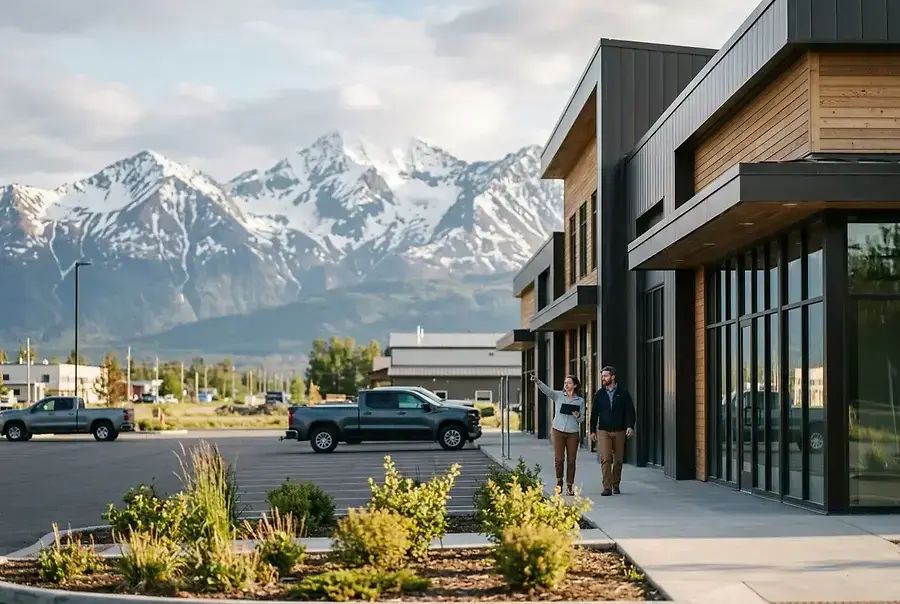
Understanding Alaska's Commercial Real Estate Landscape
Alaska's commercial real estate market presents unique opportunities and challenges that differ significantly from the lower 48 states. The vast geography, diverse regional economies, and seasonal variations create a distinctive environment for business property seekers. Whether you're considering Anchorage's urban center, Juneau's government-focused economy, or Fairbanks' growing tech sector, understanding the local market dynamics is essential.
Regional Market Variations
Alaska's commercial real estate market is not monolithic. Anchorage dominates with the largest inventory of commercial properties and the most competitive market. However, secondary markets like Fairbanks and Juneau offer emerging opportunities with potentially lower costs and less competition. Each region has distinct characteristics influenced by local industries, population density, and economic drivers.
Consider these regional factors:
- Anchorage: Retail, office, and industrial properties with established infrastructure
- Fairbanks: Growing tech and research sectors attracting new businesses
- Juneau: Government and tourism-driven economy with stable demand
- Southeast Alaska: Seasonal tourism and fishing industries creating niche opportunities
Market Accessibility and Infrastructure
Alaska's geography creates unique accessibility challenges. Many communities are only accessible by air or water, which significantly impacts property values and operational costs. Transportation infrastructure directly influences your ability to receive supplies, attract employees, and serve customers. Before committing to a property, thoroughly research transportation options and associated costs.
Key Factors to Evaluate When Selecting Commercial Properties
Location and Visibility
Location remains paramount in commercial real estate. Evaluate foot traffic patterns, visibility from major roads, and proximity to complementary businesses. In Alaska's smaller markets, location can make or break your business success. High-traffic areas command premium prices, but they may offer better long-term returns through increased customer accessibility.
Ask yourself these questions:
- Is the property easily accessible to your target customers?
- What is the visibility from main thoroughfares?
- Are there adequate parking facilities?
- How does the neighborhood support your business type?
Property Condition and Infrastructure
Alaska's harsh climate demands careful attention to property condition. Inspect the building's foundation, insulation, heating systems, and roof integrity. Permafrost concerns in certain regions can affect structural stability. Hire qualified local inspectors familiar with Alaska-specific building challenges. The cost of repairs in remote areas can be substantially higher due to limited contractor availability and transportation expenses.
Zoning and Regulatory Compliance
Verify that the property's zoning permits your intended business use. Alaska's zoning regulations vary by municipality, and some areas have strict environmental protections. Obtain written confirmation from local planning departments that your business activities comply with current zoning ordinances. Non-compliance can result in costly relocations or business interruptions.
Utility Availability and Costs
Utility costs in Alaska are significantly higher than national averages. Electricity, heating, and water expenses can substantially impact your operating budget. Investigate utility providers, current rates, and any seasonal variations. Some properties may have limited utility infrastructure, requiring expensive upgrades. Request detailed utility cost histories from property owners to accurately project expenses.
Growth Potential and Market Trends
Evaluate the area's economic trajectory and development plans. Is the neighborhood experiencing growth or decline? Are there planned infrastructure improvements or new businesses moving in? Understanding market trends helps you make informed decisions about long-term viability and potential property appreciation.
Navigating Lease Negotiations and Purchase Agreements
Understanding Lease Terms
Commercial leases in Alaska often differ from standard agreements due to regional factors. Lease length, renewal options, and escalation clauses require careful consideration. Alaska's seasonal economy may justify flexible lease terms or seasonal adjustments. Negotiate terms that provide stability while allowing for business growth and market changes.
Pro Tip: Always have a commercial real estate attorney review lease agreements before signing. Alaska-specific provisions and local regulations may significantly impact your business operations and financial obligations.
Key Negotiation Points
Focus on these essential elements during negotiations:
- Base rent and annual escalation percentages
- Maintenance and repair responsibilities
- Tenant improvement allowances
- Lease renewal options and terms
- Early termination clauses and penalties
- Utilities and operating cost allocations
- Insurance and liability requirements
Purchase Considerations
If purchasing rather than leasing, conduct thorough due diligence. Obtain environmental assessments, especially for industrial properties. Verify property titles and ensure no liens or encumbrances exist. Financing options may be limited in Alaska, so explore available lenders and loan programs early in the process. Consider working with a commercial real estate broker experienced in Alaska transactions.
Conclusion: Making Your Move in Alaska's Commercial Market
Finding and evaluating commercial properties in Alaska requires patience, research, and local expertise. Success depends on understanding regional market dynamics, thoroughly evaluating property characteristics, and negotiating favorable terms. Take time to visit properties in person, speak with local business owners, and consult with experienced professionals familiar with Alaska's unique commercial real estate environment.
By following this comprehensive guide and conducting thorough due diligence, you'll be well-positioned to identify commercial properties that align with your business goals and budget. Alaska's diverse regions offer genuine opportunities for businesses willing to navigate the unique challenges and embrace the advantages of operating in America's Last Frontier.