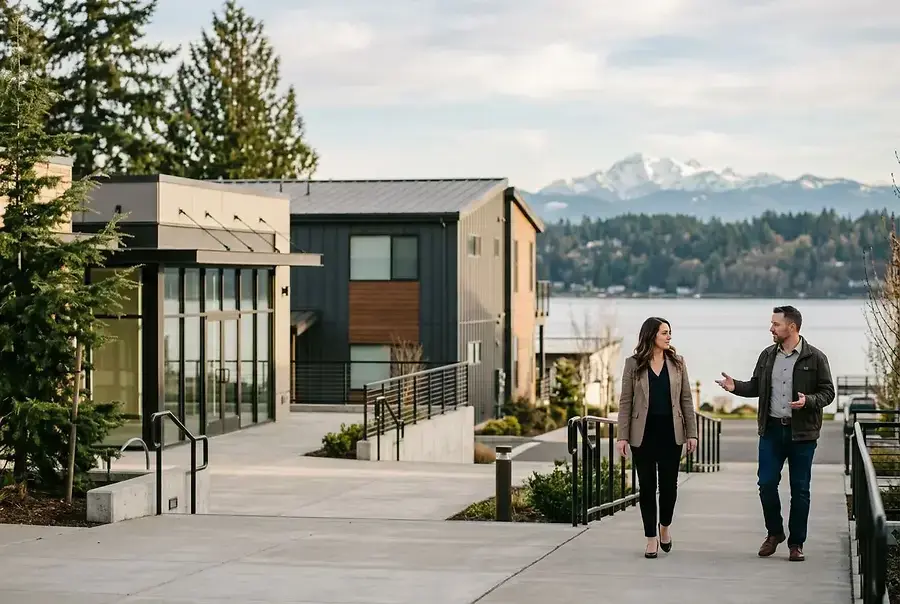
Understanding the Residential and Commercial Real Estate Landscape in South Puget Sound
The South Puget Sound region, spanning from Tacoma to Gig Harbor across Pierce County, represents one of the Pacific Northwest's most dynamic real estate markets. This diverse area offers unique opportunities for both residential and commercial investors seeking to capitalize on growing communities and established neighborhoods. Understanding the nuances of this market is essential for making informed investment decisions.
The region has experienced steady growth over recent years, driven by population increases, economic development, and improved infrastructure. Communities like Tacoma have undergone significant revitalization, while smaller towns such as Gig Harbor maintain their charm and appeal. This diversity creates multiple investment pathways, whether you're looking for steady residential rental income or commercial expansion opportunities.
Key Differences Between Residential and Commercial Properties: What You Need to Know
Financing and Investment Requirements
Residential properties typically offer more accessible financing options with lower down payments and favorable loan terms. Commercial properties, conversely, require larger capital investments and more stringent lending criteria. Understanding these differences helps you align your investment strategy with your financial capacity.
- Residential: Down payments often range from 3-20%, with conventional loans readily available
- Commercial: Down payments typically start at 20-25%, with more complex underwriting processes
Tenant Relationships and Management
Residential properties involve managing individual tenants with shorter lease terms, typically 12 months. Commercial properties often feature longer lease agreements (3-10 years) with established businesses, potentially offering more stable income streams. However, commercial tenants may require more sophisticated property management expertise.
Income Potential and Cash Flow
Commercial properties generally offer higher income potential with better profit margins, though they require more active management. Residential properties provide consistent, predictable cash flow with lower management demands. Your choice should reflect your desired level of involvement and income expectations.
Market Volatility and Risk Factors
Residential markets tend to be more stable and easier to exit, while commercial properties may take longer to sell but offer stronger long-term appreciation potential. Economic downturns affect commercial properties more severely, making them riskier during uncertain times.
How to Evaluate Properties in University Place, Fircrest, Graham, Yelm, and Morton for Your Investment Goals
University Place: Premium Residential Opportunities
University Place offers excellent residential investment potential with its proximity to educational institutions and established neighborhoods. When evaluating properties here, focus on school district ratings, proximity to shopping centers, and neighborhood appreciation trends. The area attracts families and young professionals, making it ideal for long-term residential rentals.
Fircrest: Upscale Community Appeal
Fircrest's upscale character makes it attractive for premium residential investments. Properties here command higher prices but offer strong rental potential. Evaluate the condition of homes, lot sizes, and the community's strict building standards that maintain property values.
Graham: Emerging Growth Area
Graham represents an emerging opportunity for investors seeking growth potential. This area is experiencing increased commercial development and residential expansion. Look for properties positioned near new commercial corridors and infrastructure improvements that signal future appreciation.
Yelm and Morton: Rural and Semi-Rural Investments
These communities offer different investment dynamics with lower property costs but potentially slower appreciation. Yelm and Morton appeal to investors seeking agricultural properties, small commercial ventures, or rural residential investments. Evaluate local economic drivers, such as timber industries or agricultural activities, when assessing long-term viability.
Universal Evaluation Criteria
Regardless of location, always assess: property condition and age, local market trends and comparable sales, proximity to amenities and employment centers, school district quality, property tax rates, zoning regulations, and future development plans.
Making Your Decision: Tips for Choosing Between Residential and Commercial Real Estate
Assess Your Investment Timeline
Residential properties suit investors seeking steady, long-term income with moderate appreciation. Commercial properties work better for investors with longer time horizons who can weather market fluctuations and benefit from significant appreciation potential.
Evaluate Your Capital and Resources
Consider your available capital, borrowing capacity, and liquid reserves. Residential investments require less upfront capital and offer more flexibility, while commercial investments demand substantial resources but potentially deliver higher returns.
Consider Your Management Capacity
Residential properties demand regular tenant management and maintenance oversight. Commercial properties require more sophisticated management but offer longer-term tenant relationships. Choose based on your willingness to actively manage properties or hire professional management.
Analyze Market Conditions
Study Pierce County's current market conditions. Research vacancy rates, rental trends, and property appreciation patterns in your target communities. Use this data to project potential returns and identify the best investment type for current market conditions.
Diversification Strategy
Many successful investors diversify across both residential and commercial properties. This approach spreads risk and creates multiple income streams. Consider starting with residential properties to build experience, then expanding into commercial investments as your expertise grows.
Consult with Local Experts
Partner with real estate agents, property managers, and investment advisors familiar with South Puget Sound. Their local knowledge about community trends, zoning changes, and market dynamics proves invaluable for making informed decisions. Professional guidance helps you avoid costly mistakes and identify hidden opportunities.
The South Puget Sound real estate market offers compelling opportunities for both residential and commercial investors. By understanding the key differences between property types, thoroughly evaluating specific communities, and aligning your choice with your financial capacity and goals, you can make strategic investments that build long-term wealth. Whether you choose residential properties for steady income or commercial ventures for higher returns, success depends on thorough research, careful evaluation, and expert guidance.